
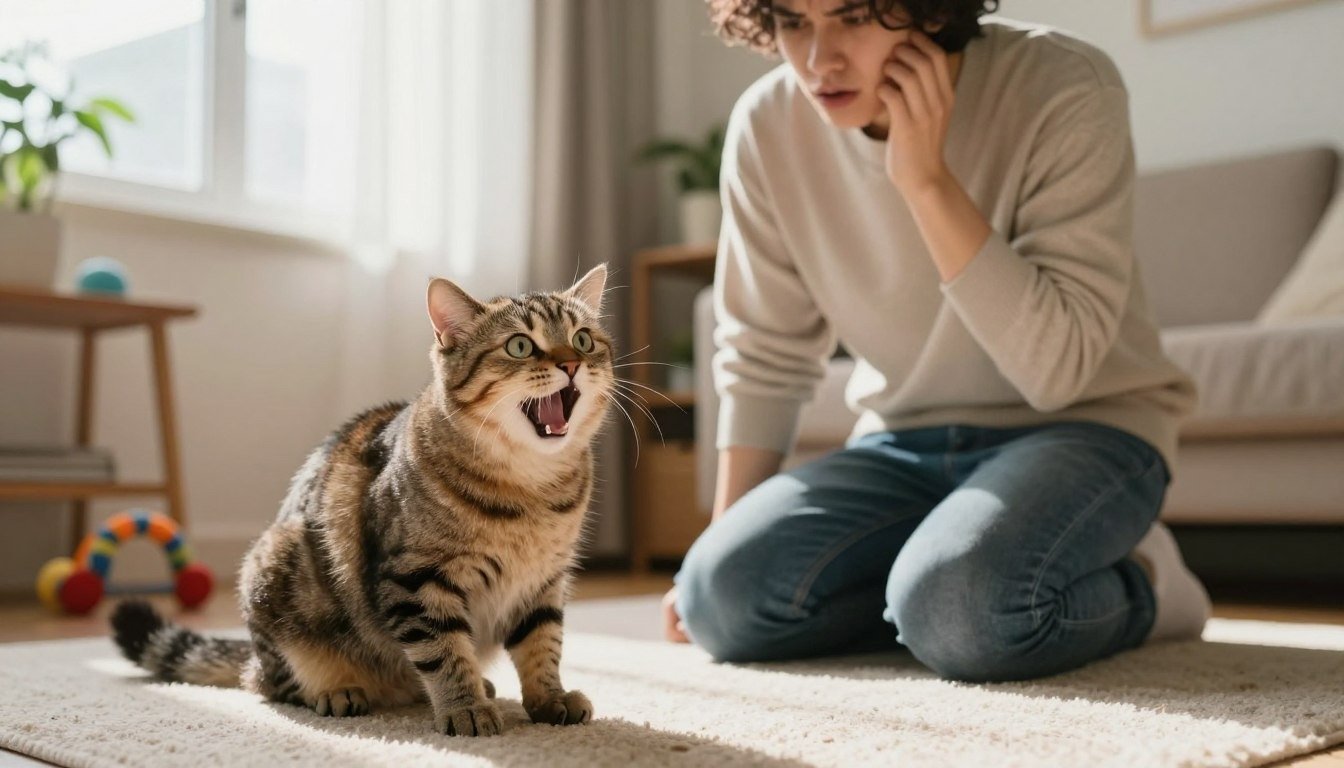
Have you noticed your furry friend talking a lot more? It can be surprising when they go from quiet to constant chatter. Understanding feline behavior is key for pet owners.
Pets use vocalization to show their needs or discomfort. A big change in how much they talk often means they need your attention. Watch these changes to see if something is wrong.
Finding out why they’re meowing more helps keep them happy and healthy. Let’s look at the usual reasons for this to give them the best care.
Key Takeaways
- Vocalization is a natural way for pets to communicate their needs.
- Sudden changes in noise levels often indicate a physical or emotional shift.
- Monitoring your pet helps distinguish between normal chatter and distress.
- Medical issues can sometimes trigger increased vocal behavior.
- Environmental stressors frequently lead to more frequent communication.
Understanding the Sudden Shift in Your Cat’s Vocalizations
Noticing small changes in how your pet talks is key to better care. As a cat owner, cat behavior changes can be hard to get at first. You might not see a small increase in noise until it’s always there.
The Normal Range of Feline Communication
Adult cats rarely meow at each other in the wild. They mostly use scent, body language, and touch to talk to each other. When they do meow, it’s usually to talk to us, their human friends.
Some breeds, like the Siamese, are more talkative than others. A chatty cat might just be showing their personality or saying hello when you come home. This is a normal part of your bond.
“The meow is a specialized signal that cats have developed to communicate with humans, effectively bridging the gap between two different species.”
— Feline Behavioral Expert
Identifying When Meowing Becomes Excessive
Many owners wonder, “why is my cat meowing so much all of a sudden?” The answer often lies in noticing a change from their usual quiet self. If your usually quiet cat starts meowing a lot, it’s time to pay attention.
Tracking these meows can help you see if they happen at certain times or because of something in their environment. Use the table below to see if your cat’s meowing is normal or if you should worry.
| Vocalization Type | Typical Context | Level of Concern |
| Short, soft chirps | Greeting or excitement | Low |
| Repetitive, mid-pitch meows | Requesting food or play | Moderate |
| Loud, persistent yowling | Distress, pain, or confusion | High |
If your pet is acting differently, don’t ignore it. Knowing why is my cat meowing so much all of a sudden helps you help them. By watching for cat behavior changes, you can keep your cat happy and healthy.
Medical Reasons Behind Sudden Vocal Changes
Sudden changes in a cat’s voice often hide medical issues. Cats are good at hiding sickness, so they meow to tell us something’s wrong. If you see excessive meowing in cats, it’s important to check their health, not just their mood.
Hyperthyroidism and Its Impact on Energy Levels
Hyperthyroidism is a common disease in cats. It makes their metabolism go too fast. This leads to too much energy and constant meowing.
Kidney Disease and Increased Thirst
Kidney disease is another reason for sudden meowing. As kidneys fail, cats drink more water and pee more. This makes them restless.
“The body speaks in many ways, and for a cat, a sudden change in voice is often the loudest message they can send,”
notes a leading veterinary behaviorist.
Pain and Discomfort as a Trigger for Meowing
Pain or discomfort also makes cats meow. Issues like arthritis, dental problems, or internal inflammation can cause this. If your cat’s behavior changes and they seem in pain, see a vet right away.
The Role of Aging in Cognitive Dysfunction
As cats get older, they may notice changes in their minds. Just like humans, they can develop cognitive dysfunction syndrome, or CDS. This affects how they process information, causing noticeable shifts in their behavior and personality.
Recognizing Symptoms of Feline Dementia
Spotting early signs of mental decline is key to proper care. You might see your cat staring at walls for a long time or looking lost in familiar places. Forgetting where the litter box or food bowl is can be incredibly distressing for both the cat and the owner.
These changes in behavior are often the first signs of cognitive decline. If these signs are paired with excessive meowing in cats, it’s time to talk to your vet. They can check for other health issues.
How Confusion Leads to Nighttime Vocalization
Disorientation is a big sign of cognitive dysfunction, and it gets worse at night. In the dark, a senior cat may feel scared and confused. This often leads to a sudden increase in cat meowing at night. They might be crying for help or seeking reassurance in an unfamiliar world.
| Symptom | Normal Aging | Cognitive Dysfunction |
| Sleep Patterns | Slightly more daytime naps | Reversed day/night cycle |
| Spatial Awareness | Occasional hesitation | Getting stuck in corners |
| Social Interaction | More selective | Increased anxiety or withdrawal |
| Vocalization | Occasional | Frequent, aimless crying |
Environmental Stressors and Household Changes
Changes in the environment can upset our cats. They like their routines and feel safe when things stay the same. When things change, they might start meowing more as they try to deal with their anxiety.
The Impact of Moving or New Furniture
Moving is a big stress for cats. They miss the familiar smells and sounds of their old home. Even small changes, like new furniture, can upset them.
When a cat’s territory changes, they meow to claim it back. They’re trying to say, “Hey, I’m here and I’m safe.” It’s their way of asking for reassurance.
Adjusting to New Pets or Family Members
Getting a new pet or family member shakes things up. Your cat might worry about losing your attention or food. This leads to more meowing as they try to figure out their place.
Remember, your cat isn’t being stubborn. They’re just stressed and meowing to tell you. Knowing why they’re meowing helps you help them feel better.
Why Is My Cat Meowing So Much All of a Sudden Due to Boredom
If your cat is suddenly talking a lot, boredom might be the reason. Many owners first think of health issues, but often, it’s just boredom. Without enough to do, cats may meow to show they’re unhappy.
The Need for Mental Stimulation
Cats are meant to hunt and explore. In the wild, they spend hours doing this, keeping their minds active. But indoors, they miss out on this natural activity.
Without things to do, cats can feel stuck. They might meow a lot to get your attention. Giving them puzzle toys or playing with them can help.
Signs of Under-Stimulation in Indoor Cats
Look for other signs that your cat is bored. Meowing is often a sign of other problems. If you see these signs, it’s time to make your cat’s life more interesting.
- Excessive grooming or over-licking of paws.
- Destructive behavior, such as scratching furniture or knocking items off shelves.
- Pacing or aimless wandering throughout the house.
- Lethargy followed by sudden bursts of frantic activity.
| Behavioral Indicator | Stimulated Cat | Under-Stimulated Cat |
| Vocalization | Occasional, purposeful | Frequent, persistent |
| Activity Level | Balanced play and rest | Frantic or sedentary |
| Engagement | Interested in toys | Destructive or bored |
| Grooming | Normal maintenance | Compulsive over-grooming |
Attention Seeking Behavior and Learned Vocalization
Ever thought your quick response to a meow might make your cat meow more? It’s easy to think every meow needs an immediate answer from us. But, our good intentions often reward the very behavior we want to reduce.
How We Accidentally Reinforce Meowing
When your pet starts meowing, you might give them comfort or food to stop it. If your cat meowing non-stop, you might give a treat or play to quiet them down. Unfortunately, this teaches your cat that meowing gets your attention best.
By responding right away, you’re telling your cat their meowing works. Over time, they learn to meow louder to get noticed. This is positive reinforcement, even if it’s not what you intended.
Differentiating Between Needs and Wants
It’s important to know when your cat really needs something versus just wanting attention. A cat with a genuine need usually has a specific reason, like an empty bowl or a dirty litter box. Once their need is met, they usually stop meowing.
But, a cat meowing excessively for attention keeps going even after needs are met. They might follow you or stare while meowing, seeking interaction. Learning to tell these apart helps manage your pet’s behavior without feeling guilty.
Hormonal Influences and Reproductive Cycles
Hormones often cause sudden changes in how cats meow. Cats that haven’t been spayed or neutered may meow a lot. They try to talk to other cats or find a mate.
The Meowing Patterns of Unspayed Females
Female cats in heat change a lot. They make a loud, rhythmic call that sounds like a human cry. This call is to attract males, often meowing at night when it’s quiet.
This call is not a sign of sickness. It’s a natural urge. Keeping the environment calm might help, but the call is hard to stop until the heat cycle ends.
Territorial Behavior in Intact Males
Intact males have different hormones. They meow to mark their territory or challenge other males. If your cat sees an intruder, he may meow loudly to show he’s in charge.
This is a natural way for them to defend their space. It’s not a bad behavior. Here’s a table showing the main differences in these vocal patterns.
| Behavioral Trigger | Primary Vocalization Type | Common Timeframe |
| Unspayed Female Heat | High-pitched, rhythmic calling | Lasts 4 to 10 days |
| Intact Male Territory | Deep, guttural, assertive meows | Occurs when rivals are near |
| Hormonal Frustration | Restless, repetitive vocalizing | Ongoing until intervention |
Sensory Decline and Its Effect on Communication
When a cat loses their sight or hearing, their communication with me changes a lot. They start using their voice more to get around and show they’re confused. It is truly heartbreaking to see them struggle, but knowing what’s happening helps me comfort them.
Vision Loss and Increased Vocalization
When a cat can’t see well, they feel scared in their own home. This fear often leads to cat meowing at night. They call out for me to reassure them or guide them to a safe spot.
To help a cat with vision loss, I keep the furniture the same. This reduces their anxiety. I also use nightlights in important places to boost their confidence.
Hearing Impairment and the Volume of Meows
Hearing loss is tough for my cat too. They meow cat meowing constantly louder because they can’t hear themselves. They’re shouting to make sure I hear them.
I have learned to be patient with them. I use touch or visual cues to show I’m there. This helps them calm down and meow less loudly.
Strategies for Calming Your Vocal Feline
If your cat is meowing constantly, start by making their environment predictable. Cats like routine and can get anxious without it. A consistent schedule helps them feel secure and less likely to meow out of stress.
Creating a Predictable Daily Routine
For a peaceful home, consistency is key. Set fixed times for meals, play, and rest. This way, your cat knows when to expect things, reducing the need to meow for attention.
Keep your own schedule steady too. Even small changes can upset a sensitive cat. Maintaining a reliable rhythm lowers their anxiety.
“The environment we create for our pets is the primary architect of their behavior and emotional well-being.”
— Anonymous
Environmental Enrichment Techniques
Keep your cat’s mind active to prevent boredom. Use puzzle feeders to make mealtime fun. This keeps them engaged and less likely to meow for no reason.
Adding vertical space is also beneficial. Cat trees and shelves give them a view and a sense of control. When they feel secure and busy, they’re less likely to meow for attention.
When to Schedule a Veterinary Appointment
If your cat meowing constantly, it’s time to see the vet. Some cats talk more than others, but sudden changes can mean health issues. Acting fast is key to keeping your pet happy and healthy.
Preparing for Your Vet Visit
Before you go to the vet, gather all the info you can. Keep a log of when your cat meows and if it’s at certain times. Recording these patterns helps the vet find what’s causing it.
Also, record videos of your cat during these times. If your cat has lost weight, changed eating habits, or seems tired, tell the vet. Giving a detailed history helps the vet figure out why your cat is meowing so much.
Diagnostic Tests to Expect
At the vet, they’ll do a full check-up to look for pain or discomfort. They might do tests to find common health problems. Blood work and thyroid panels are often used to check for issues like hyperthyroidism or kidney disease.
These tests help find hidden problems that might be bothering your pet. By checking for physical issues, you can find behavioral solutions if the meowing doesn’t stop. Remember, your vet is your best partner in keeping your cat well.
The Importance of Patience During Behavioral Adjustments
Dealing with a cat meowing constantly takes time. It’s a journey that needs patience from everyone at home. Consistency is the secret ingredient to helping your cat communicate quietly.
Avoiding Negative Reinforcement
It’s easy to get frustrated when your pet is loud. But yelling or punishing them is not the answer. It can make your cat more anxious, leading to even more meowing.
Stay calm and supportive instead. This helps your pet feel safe. Positive reinforcement, like treats or praise for quiet moments, works better than punishment.
Tracking Progress Over Time
Behavioral changes can be hard to see every day. Keeping a log or journal is a good idea. It helps you track when and why your cat meowing constantly happens.
Over time, you’ll see less meowing. Celebrating these small victories will keep you motivated. It helps make your home a more peaceful place for you and your cat.
Conclusion
Heard your cat meowing a lot? It worries many pet owners. This change in behavior means your pet might need something from you.
It could be health issues or just a need for more fun. Your quick action can really help.
Keep an eye on your pet and see a vet if the meowing doesn’t stop. A vet can give your cat the right care.
Being patient is key. Stick to your routine to make your cat feel safe. I hope these tips help you and your pet enjoy peace again.
FAQ
Why is my cat meowing so much all of a sudden after years of being quiet?
When a cat starts meowing a lot, it often means something big is happening. It could be a health issue like hyperthyroidism or stress from their environment. Look for other changes in their behavior, like eating habits or litter box use, to see if they need help.
What are the most common medical cat meowing reasons?
Cats meow more when they’re sick. Hyperthyroidism makes them hungry and active. Kidney disease causes pain and thirst. Arthritis or dental problems can also make them meow more. If I think they’re sick, I take them to VCA Animal Hospitals for a check-up.
Why is my cat meowing at night and keeping me awake?
Senior cats might meow at night due to Feline Cognitive Dysfunction, like human dementia. They get anxious in the dark. Keeping a routine and using Feliway can help them feel secure at night.
Is it possible my cat is meowing non-stop just because they are bored?
Yes, boredom can make cats meow a lot. Indoor cats need mental stimulation. Toys like KONG Eight Track or Doc & Phoebe’s Indoor Hunting Feeder can keep them busy and quiet.
How can I tell if my cat is meowing excessively for attention or out of necessity?
If your cat meows near food or a dirty litter box, they need something. But if they meow when you’re watching TV, they want attention. Ignore them when they meow to get your attention.
Can sensory decline cause a sudden increase in cat meowing?
Yes, hearing or vision loss can make cats meow more. They may meow loudly because they can’t hear themselves. Extra reassurance or touch can help them feel secure.
When should I be worried enough about cat behavior changes to see a vet?
Call the vet if your cat’s meowing is with signs like weight loss, lethargy, or distress. Bring a log of when the meowing happens. This helps the vet find the cause.
How does stress or moving to a new home affect cat meowing patterns?
Cats get stressed by changes, like moving. My cat meowed more when we moved. Small changes can also upset them. Keeping a routine helps them adjust.
You May Also Read: UK Headlines