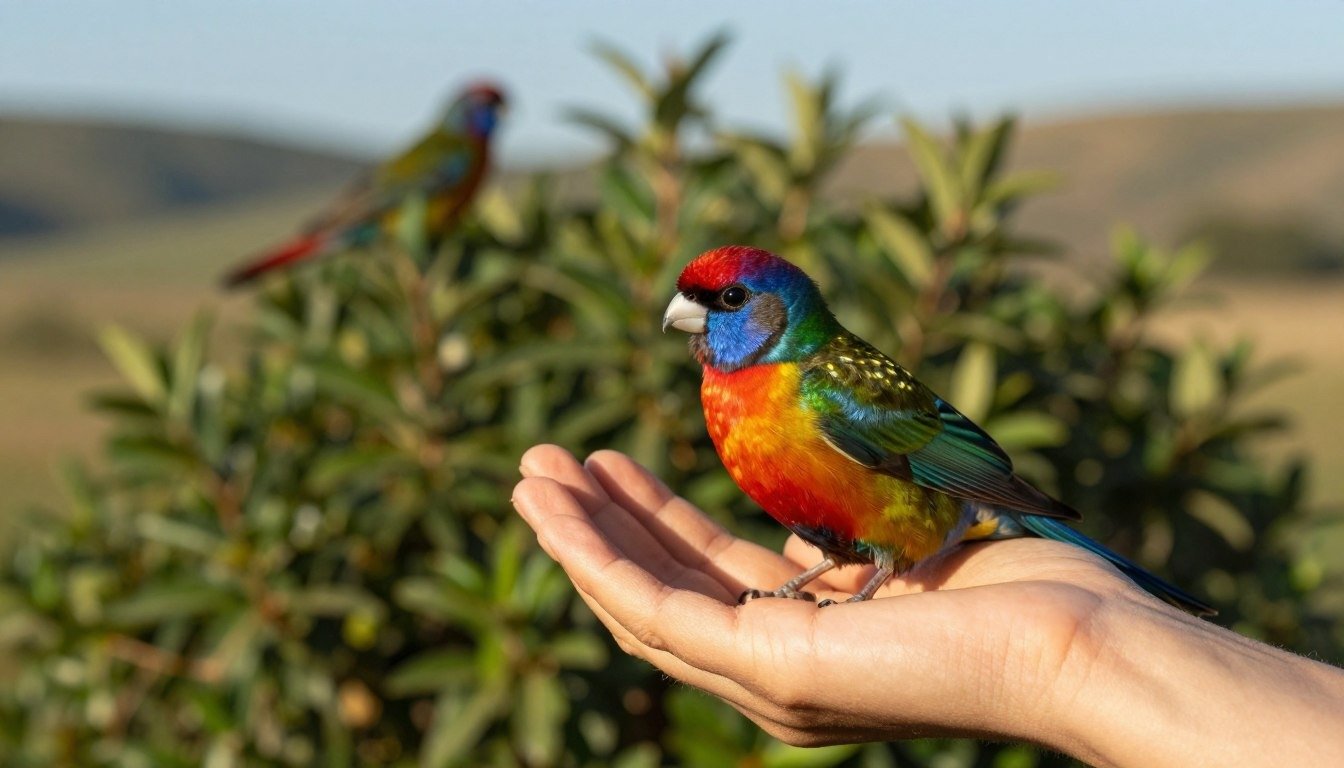
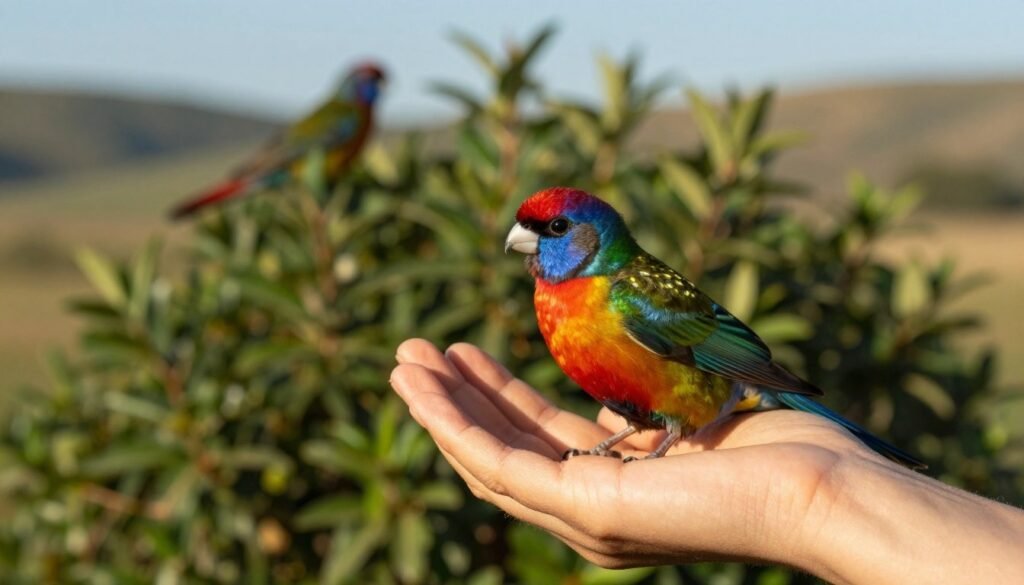
We often face choices between a sure thing and a risky gamble. The proverb, a bird in the hand is worth two in the bush, gives us a timeless view. It teaches us to value what we have instead of seeking uncertain gains.
This philosophy helps me make decisions with greater clarity and confidence. I aim to share valuable insights for smarter choices today. Adopting this mindset changes how we see opportunities and risks.
Key Takeaways
- Prioritize current assets over speculative future gains.
- Use caution when evaluating high-risk opportunities.
- Find contentment by recognizing your existing successes.
- Simplify decision-making by focusing on tangible results.
- Build long-term stability through consistent, reliable choices.
The enduring relevance of a bird in the hand is worth two in the bush
The saying a bird in the hand is worth two in the bush is more than a simple phrase. It’s a key rule for life. When we face choices, we must weigh what we have against what we want. This decision-making is tough but shapes our lives and careers.
Defining the core philosophy of the proverb
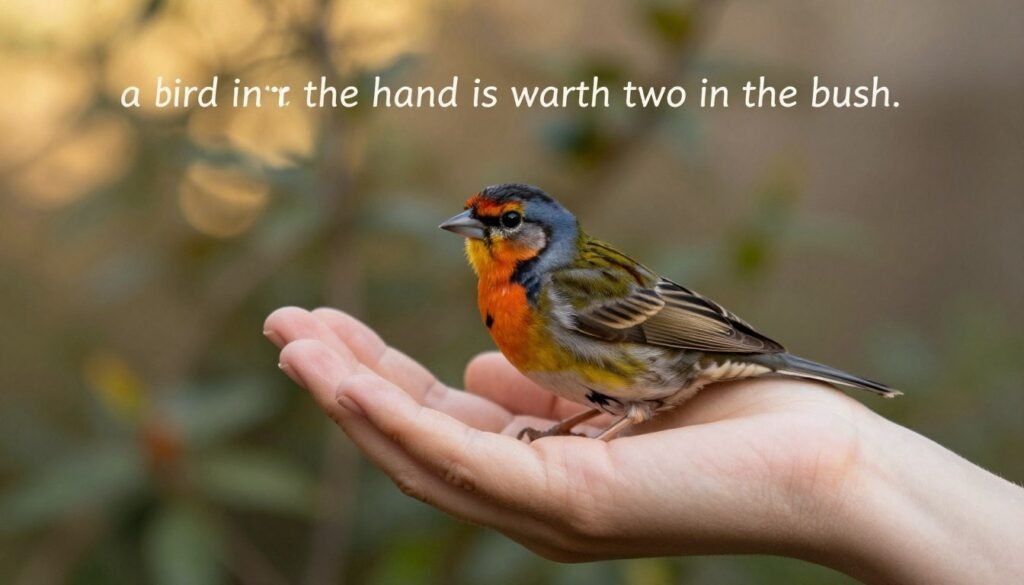
This proverb warns against the lure of greed and the risk of speculative gains. It teaches that what we have now is more valuable than what might come later. Holding onto what we have reduces the risk of losing everything.
This isn’t just about being cautious. It’s about valuing the security we have. By doing this, we learn to appreciate what we have. It helps us understand the true cost of chasing unknowns.
Why this wisdom remains a cornerstone of American decision-making
In the U.S., growth and stability often clash. We value innovation but also the prudence of a solid base. This balance keeps the proverb relevant in our fast-paced world.
When deciding on a career change or investment, we use this logic. It helps us balance risk and reward for our long-term benefit. The table below shows how this mindset guides our choices.
| Scenario | Bird in Hand (Certainty) | Two in the Bush (Speculation) | Primary Motivation |
| Career | Stable salary | High-risk startup equity | Security vs. Growth |
| Investment | High-yield savings | Volatile crypto assets | Preservation vs. Gain |
| Business | Existing client base | Unproven new markets | Reliability vs. Expansion |
This wisdom in action helps us make decisions with clarity. By focusing on what’s real, we build a life that can withstand market ups and downs. It’s a timeless strategy for every big decision-making moment.
Why this ancient proverb is trending in modern decision-making
The impact of economic uncertainty on our choices
Economic ups and downs change how we make decisions. When money is tight and markets are shaky, we prefer safe choices over risky ones. We’re more likely to keep what we have than to gamble on uncertain gains.
This isn’t about being less ambitious. It’s about being smart in uncertain times. By choosing what we already have, we avoid the risks of an unstable world.
Shifting priorities in a post-pandemic landscape
The post-pandemic world has made us rethink what’s important. We’ve learned that chasing the next big thing can cost us peace. Now, we value stability, health, and sure things more.
This proverb reminds us to value what we have. It’s a positive shift in how we make decisions. By focusing on what we already have, we find stability in a changing world.
Analyzing the psychology behind our fear of missing out
Why do we struggle to be happy with what we have? Often, the fear of missing out makes us choose risk over safety. This proverb tells us our brains don’t always make smart choices when we see a chance for gain.
Understanding the scarcity mindset
A scarcity mindset makes us think we don’t have enough. We focus on what we lack, not what we have. This leads us to chase after things that might not be worth it, as the bird idiom suggests staying with what we have is smarter.
How social media amplifies the desire for the two in the bush
Digital platforms change how we see success and happiness. They show us the best parts of others’ lives, making us feel like we’re missing out. This makes us want to take bigger risks, even if it’s not wise.
The trap of constant comparison
Constantly comparing ourselves to others is harmful. When we compare our lives to others’ perfect images, we forget our own achievements. This proverb reminds us that real value is in what we can touch, but we often ignore it for the dream of more.
The economic perspective on opportunity cost and certainty
Every financial choice has a hidden cost we often miss. When I look at my portfolio, I think about the bird idiom. It says it’s wise to hold onto what’s safe instead of chasing dreams. This helps me stay calm when the market gets wild.
Calculating the value of tangible assets
Tangible assets are solid, unlike risky ventures. They include things like real estate, cash, and business equity. These assets give predictable returns and protect us when times are tough.
Having a tangible asset means securing your future. It’s not just about the value today. It’s about the total benefit of what you own.
The hidden costs of chasing speculative gains
The big challenge in finance is understanding opportunity cost. When I invest in risky ventures, I lose the safety of my current assets. If it fails, I lose money, time, and stability.
Going for big gains can make us forget what we’re giving up. The biggest cost is often the peace of mind we lose. By focusing on stable assets, I avoid the constant stress of high-risk moves.
Risk assessment in personal finance
Doing a proper risk assessment is key to building wealth. I look at my choices through the lens of probability, not just reward. This helps me see which risks are worth it and which are just distractions.
| Asset Type | Risk Level | Predictability | Primary Benefit |
| Savings Account | Very Low | High | Liquidity |
| Blue-Chip Stocks | Moderate | Medium | Dividends |
| Speculative Crypto | Very High | Low | High Growth |
| Real Estate | Low to Medium | Medium | Asset Appreciation |
Case studies where holding onto the bird paid off
The most successful people often take a cautious approach to their goals. They resist the urge to chase every new opportunity. History shows that patience is key.
Many find that sticking to a proven path leads to greater rewards. This is unlike constant, erratic movement.
The bird idiom teaches us to value what we have. By focusing on what we already have, we can build a strong foundation. This approach is not about staying the same; it’s about strategic preservation of resources.
Lessons from conservative investment strategies
Conservative investors often do better than those who seek quick gains. They focus on steady growth through diversified portfolios. This cautious approach lets compound interest work its magic over time.
Think about the difference between a long-term investor and a day trader. The former trusts the market, while the latter bets on short-term changes. History shows that staying the course is usually better than constantly changing.
Real-world examples of career stability versus risky pivots
Career paths also show the bird idiom in action. Those who focus on one industry often reach higher levels than those who jump around. Stability allows for deep expertise and strong networks.
A risky pivot might offer a quick pay raise, but it can also set back long-term progress. Sustainable success comes from growing the career we have, not constantly looking for the next big thing.
When chasing the two in the bush becomes a necessary risk
At times, the comfort of what we know can feel like a trap. I often talk about the importance of stability. Yet, staying in one place can lead to decline.
Sometimes, the best choice is to leave what you know behind. This can lead to something greater.
Identifying the tipping point for innovation
Innovation rarely happens when we’re perfectly content. You need to regularly do a risk assessment. This helps you see if your current path aligns with your goals.
When staying put costs more than trying something new, you’ve hit a critical point. At this stage, the status quo is no longer safe. It’s a barrier to growth.
Embracing a calculated risk is often the only way to break through these barriers.
The danger of stagnation in a fast-paced world
In today’s economy, standing pat is like moving backward. If you don’t adapt, you risk becoming outdated. I’ve seen many talented people lose their edge because they were too afraid to change.
To avoid this, watch for these signs it’s time to pivot:
- Your current role or investment no longer offers growth.
- The industry is changing faster than your strategy.
- You feel bored or lack purpose.
Recognizing when the bird in hand is losing value
It’s easy to hold onto something just because you’ve always had it. But you must be honest about its value. A proper risk assessment means looking at the facts without bias.
If your current situation is draining you without giving back, it’s time to think again. Taking a calculated risk doesn’t mean being reckless. It means choosing a future with more promise than your past.
Balancing caution with ambition in a volatile market
The most successful people know how to balance caution and boldness. In a world where markets change fast, being too rigid or too reckless is risky. You need a plan that keeps you stable but also allows for growth.
Developing a hybrid approach to opportunity
A hybrid strategy protects your core while exploring new areas. By doing a risk assessment, you can see which opportunities are worth it. This helps you know the real chances from the fleeting ones.
“Risk comes from not knowing what you are doing.”
Warren Buffett
This mindset changes how you see growth. Instead of all-or-nothing, it’s a series of smart tests. This way, even if one fails, your base stays strong.
Strategies for maintaining security while exploring
Being cautious doesn’t mean you can’t move. It means you focus on protecting yourself first. Keep most of your money in safe, low-risk places. Use a small part for high-growth projects.
This setup keeps you safe in tough times. It also lets you adapt when the market changes. Here’s how to split your efforts.
| Strategy Type | Primary Goal | Risk Level | Resource Allocation |
| Core Stability | Asset Preservation | Low | 70% |
| Growth Exploration | Market Expansion | Moderate | 20% |
| High-Stakes Innovation | Disruptive Gains | High | 10% |
This balance keeps your long-term vision safe from short-term ups and downs. A cautious approach and clear risk assessment lead to a lasting path. You can dream big without worrying about losing what you’ve worked for.
How digital transformation changes our perception of value
In today’s fast world, we see value differently. We now value digital things more than physical ones. Wisdom in action is key in this change. We measure wealth by data and digital assets, not just what we can touch.
The rise of intangible assets in the digital age
Wealth now focuses on things like ideas, software, and digital money. These don’t take up space but can be very valuable. People see these digital gains as the future of wealth.
This change needs a new way of thinking. With wisdom in action, we see these assets are ruled by code and market feelings, not just how rare they are. This makes us question what it means to own something in a world that’s always changing.
Why digital birds are harder to hold
Digital assets are hard to keep safe because they’re not real. Unlike a bird, they can disappear quickly. A server problem, a hack, or a market drop can take them away.
Keeping these assets safe is a big test of wisdom in action. We must balance the thrill of new tech with the fact that these “birds” can vanish. By staying careful, we can protect our digital interests while moving forward with technology.
Expert opinions on the shift toward calculated risk
Today, financial experts see calculated risk in a new light. The old debate between safety and growth is now more nuanced. By learning from those who study human behavior, we can see why our gut feelings often don’t match our financial plans.
Insights from behavioral economists
Behavioral economists, like Daniel Kahneman, say our brains fear loss more than we enjoy gain. This fear makes us hold onto what we have, even when better options exist. They believe we must fight this fear to change.
To make smart choices, experts suggest a cautious approach based on facts, not feelings. By recognizing our biases, we can distinguish between our fear and the real chances of success. This mindset change is key for improving our financial plans.
What industry leaders are saying about long-term planning
Top leaders say success rarely comes from quick, risky moves. Instead, they push for a plan that focuses on lasting success over short-term gains. Many CEOs aim to build their businesses to be strong against economic surprises.
When I talk to leaders, they stress these main points for good planning:
- Diversification: Don’t put all your eggs in one basket.
- Patience: Give your plans time to grow.
- Adaptability: Change your plans when the data shows you should, not when you feel like it.
- Risk Assessment: Always know the possible downsides before investing.
In the end, experts agree that the best people see risk as a chance, not a danger. By using valuable insights and a calculated risk plan, you can handle today’s economy with more confidence.
Practical frameworks for evaluating your current options
When faced with uncertainty, creating a personal framework for decision-making is key. Standing at a crossroads, having a clear method to evaluate options is vital. This helps avoid making impulsive mistakes.
Breaking down complex choices into manageable parts clarifies the path forward. It makes it easier to see what to do next.
Creating a decision matrix for your life
A decision matrix is a simple yet powerful tool. It helps compare different paths based on specific criteria. You can list your current situation against a new opportunity to see which aligns with your goals.
Assigning a numerical value to factors like financial stability, personal growth, and time commitment allows for an objective comparison. This makes it easier to see which option is best.
“The quality of your life is determined by the quality of your decisions.”
— Ray Dalio
This method forces you to confront the opportunity cost of every choice. By visualizing the trade-offs, you remove emotional weight that clouds your judgment. The following table shows how to weigh these factors effectively.
| Factor | Holding Current | Chasing New | Weight (1-5) |
| Financial Security | High | Low | 5 |
| Growth Potentia | Low | High | 4 |
| Stress Level | Low | High | 3 |
Questions to ask before letting go of the bird
Before deciding to release your current bird, ask if the risk is worth the reward. Always start by checking if your desire for change is real or just fear of missing out. Good decision-making means being honest about your failure tolerance.
Think about the opportunity cost of your current path versus the new one. Ask yourself: “If I stay, will I regret not trying, or will I be grateful for the stability I kept?” If the answer points to a new direction, make sure you have a safety net before moving on.
The role of intuition in choosing between certainty and calculated risk
Data gives us a map, but intuition is our compass in decision-making. We often focus on spreadsheets, forgetting the power of human instinct. To take a calculated risk, we need to mix hard facts with our gut feelings.
Listening to your gut in high-stakes situations
Under pressure, our brains can’t handle conflicting info. Data might say one thing, but our gut might say another. This is where emotional intelligence shines.
If you feel scared, even with good data, listen to that feeling. It’s your subconscious mind trying to tell you something. Recognizing this feeling is key to making a decision you can live with.
When to trust your experience over the data
Sometimes, the opportunity cost of sticking to a plan is too high. If you’ve been in an industry for years, your gut is smarter than you think. It’s learned from past experiences, even if the data looks different.
Trusting your experience doesn’t mean ignoring data. It’s about understanding the bigger picture. When numbers don’t add up, your past is more reliable than any algorithm. The best decisions feel right, aligning with both logic and life experience.
Conclusion
Our lives today are all about balancing what we need now and what we might need later. Success comes from knowing when to hold onto what we have and when to take a chance. This balance helps us protect what we have while also growing.
Changing how we think is key to making smart choices. We should look at our goals with the same careful thought that big companies like Berkshire Hathaway do. This way, our decisions are based on solid facts, not just fear or quick wants.
It’s time to look at your path again with new eyes. Trust your own judgment when things seem unclear or too much. You have the power to build a strong future and find the right chances to grow.
Starting to make better choices is as simple as taking one step. Take time to think about what’s really important for your future. I’m excited to see how you use these tips to create a lasting success for yourself.
FAQ
What exactly does the proverb “a bird in the hand is worth two in the bush” mean for me today?
This classic proverb teaches us to value what we have over what might be. It tells us to appreciate the tangible assets we already have. It’s a reminder to protect our progress, not risk it all.
How can I use this wisdom to improve my personal decision-making?
Using a cautious approach to risk assessment is key. Before making a big change, I consider what I might lose. This way, I make smart choices that secure my future.
Why does this philosophy seem so relevant in the current American economy?
Stability is more valuable than ever, thanks to economic ups and downs. This proverb helps us choose steady, reliable options over risky ones. It’s about valuing what you have over what might be.
How does the fear of missing out (FOMO) interfere with the “bird in the hand” principle?
Platforms like Instagram and LinkedIn can make us feel like we’re missing out. We compare and think our current situation isn’t enough. Recognizing this helps us stay focused on our own goals.
Is there an economic downside to always holding onto the bird in my hand?
Yes, there is. Not taking risks can lead to stagnation. Companies like Apple and Amazon show us when to innovate. It’s about finding the right time to move forward.
How has digital transformation changed the way we hold onto our “birds”?
“Digital birds” like Bitcoin are harder to keep than traditional assets. In the digital world, value can change fast. This makes the proverb even more important for securing our digital gains.
What do experts say about balancing security with ambition?
Experts, like those at Harvard University, suggest a balanced approach. I keep my core assets safe while exploring new opportunities with a small risk budget. This way, I’m not risking everything on one chance.
What are the best questions to ask myself before letting go of a certain opportunity?
At crossroads, I ask if the reward is worth the risk. Do I have a safety net? And is this move better than staying put? These questions help me make smart choices.
You May Also Read: UK Headlines