
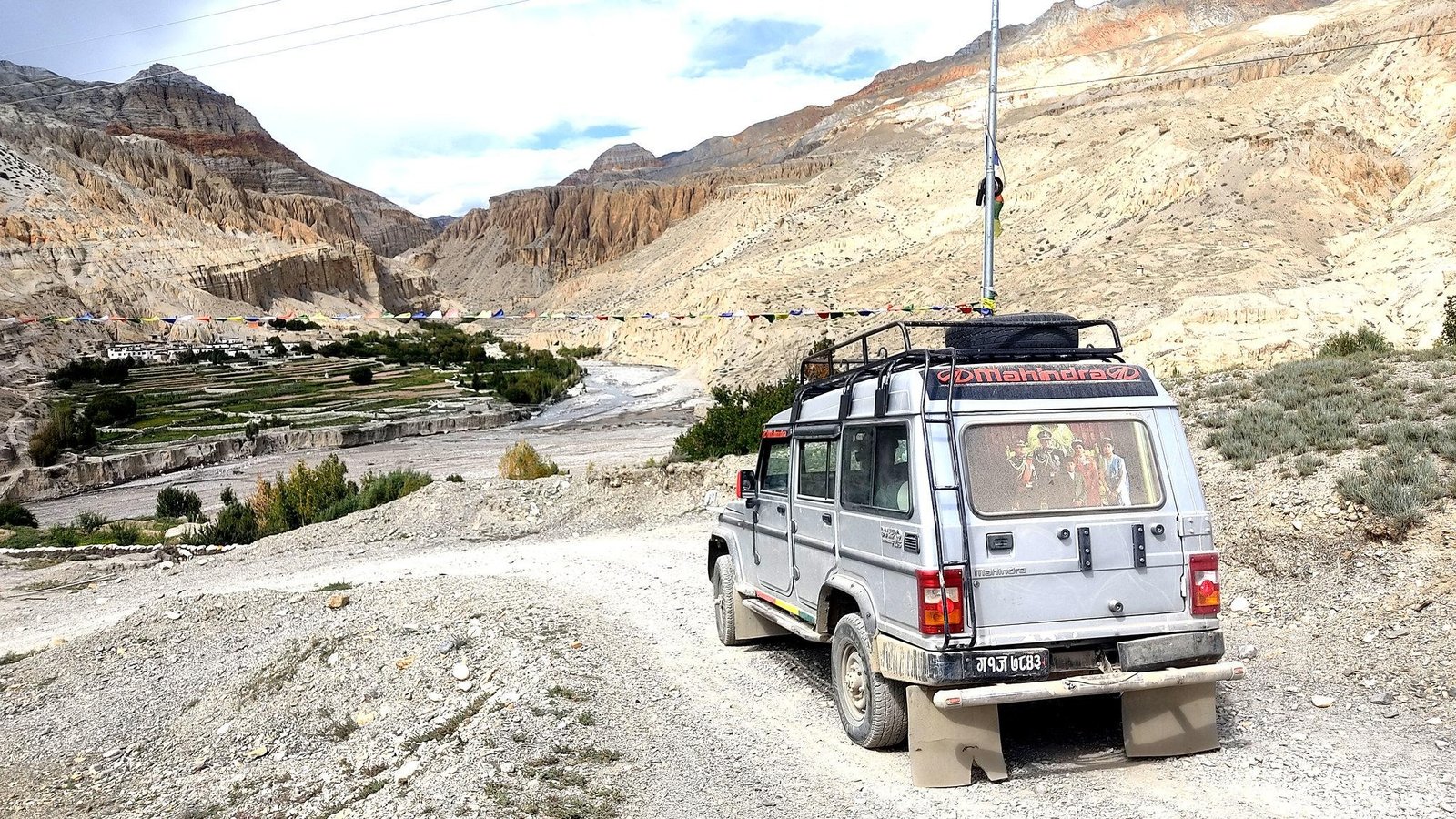
The Upper Mustang Jeep Tour is one of the most comfortable ways to explore one of Nepal’s most remote and culturally rich regions. Upper Mustang lies beyond the main Himalayan range in a dry rain shadow area, which gives it a landscape very different from the rest of Nepal. The region is known for wide desert valleys, colorful cliffs, ancient caves, and villages that reflect strong Tibetan culture. For many years, traveling to Upper Mustang by road was difficult. Narrow tracks, seasonal river crossings, and limited facilities made the journey long and tiring.
The development in the Upper Mustang has been slow and cautious as Nepal approaches 2026. The roads have been extended, dangerous river crossings have been substituted with permanent bridges and and basic travel facilities have been improved. These changes have not taken away the unique character of Mustang. Instead, they have made the journey smoother, safer, and more comfortable. The jeep tour still feels adventurous and remote, but it no longer feels uncertain or exhausting.
This blog explains the Upper Mustang Jeep Tour 2026 route update, focusing on road expansion, bridge improvements, and new facilities, in clear and simple human language.
Upper Mustang Jeep Route Overview
The Upper Mustang Jeep Tour usually begins from Pokhara. Travelers leave Pokhara, drive to Beni, and then follow the Kali Gandaki valley via Tatopani and Jomsom. The section of the trip goes through green hills, valleys of rivers, and small towns. Jomsom is the main service center of the region, offering fuel, accommodation, and a convenient place to rest.
The road then leads on to Kagbeni, the formal point of entry to Upper Mustang and the restricted region, off Jomsom. After crossing Kagbeni, the landscape is fast shifting. The green fields are gone, and the ground is now dry and rocky and broad. The atmosphere is drier and the villages start to be strongly influenced by Tibetan culture.
Beyond Kagbeni, the jeep track continues to Chele, Syangboche, Ghami, Tsarang, and finally to Lo Manthang, the old walled capital of Upper Mustang. The jeep track follows riverbeds, wide open valleys, and sections carved along cliff sides. Although it is a jeep trip, it makes the area seem silent and lonely. By 2026, the path is more predictable and pleasant to ride, allowing travelers to enjoy the journey without constantly worrying about road conditions.
Road Expansion and Improved Driving Conditions
Road expansion is among the most visible developments in Upper Mustang by the year 2026. Previously, numerous stretches of the road were small, rough and unpleasant. Cars were forced to go at such a sluggish pace and it was not easy to overtake other jeeps. This has significantly reduced the fatigue of long driving days.
A good part of those narrow sections are expanded nowadays. The Beni to Jomsom road has already been greatly improved with smoother road surfaces and solid protection in the landslide prone sections. Retaining walls and improved drainage have minimized chances of roads being closed particularly during seasonal weather changes.
North of Kagbeni, the road is still unpaved to maintain the natural appearance of Upper Mustang, but the general state of the way has been evidently better.
The main improvements include:
- Broader lanes on small spaces.
- Sharper turns with caution.
- Periodic removal of loose rocks.
- Stabilized road edges on cliff sections.
The place between Tsarang and Lo Manthang, once one of the worst places on the road, is broader and more level. Although the experience still includes dust, the drive is much less bumpy than it used to be. These additions have made the jeep tour more fatigue-free and have made it acceptable to more diverse groups of travelers such as elderly visitors and families.
New Bridges and Safer River Crossings
River crossings were once one of the biggest challenges of the Upper Mustang Jeep Tour. In the rainy season the water would accumulate very rapidly and cause vehicles to stall or even come back. The existence of temporary crossings rendered the traveling unpredictable and stressful.
By 2026, many of the most problematic river crossings have been replaced with permanent steel and concrete bridges.
The most improved areas include:
- Crossings over the rivers around Chhusang.
- Seasonal streams near Chele
- Difficult passages near Ghami.
These bridges enable vehicles to travel safely throughout the year. Even in summer months, when the water level rises elsewhere in Nepal, Upper Mustang is accessible. Given that the area is under a rain shadow region and receives minimal rainfall, these bridges facilitate monsoon travel significantly easier and safer than it was previously.
To the traveler, it translates to easier travel, improved planning and much more confidence when traveling across the region. Delays caused by river crossings have been significantly reduced, and the jeep tour is more reliable in terms of fixed travel schedules.
New Facilities and Better Travel Comfort
Travel facilities in Upper Mustang have also improved gradually alongside road and bridge developments. Accommodation is plain and traditional, but now is cleaner, warmer, and more controlled than ever. Village lodges in places such as Kagbeni, Ghami, Tsarang, and Lo Manthang now offer noticeably better comfort.
Key facility improvements include:
- Cleaner rooms and better bedding.
- Warmer dining rooms on cold nights.
- Better toilet facilities
- Solar powered heating and lighting.
Food is kept local and simple, although hygiene is improved. Hot food given to the travelers includes rice, lentils, vegetables, noodles, soups, potatoes, eggs, and Tibetan bread. There is also hot tea and soup which is particularly handy during cold and dry climate of Upper Mustang.
The supply of fuel is also more stable towards Jomsom, but past Kagbeni, the supply is low. Vehicles no longer need to carry large amounts of extra fuel. Local mechanics are also easier to find in major villages, which add safety and peace of mind during the journey. Mobile network coverage has improved in most major settlements, allowing basic communication when needed.
Travel Time and Daily Comfort in 2026
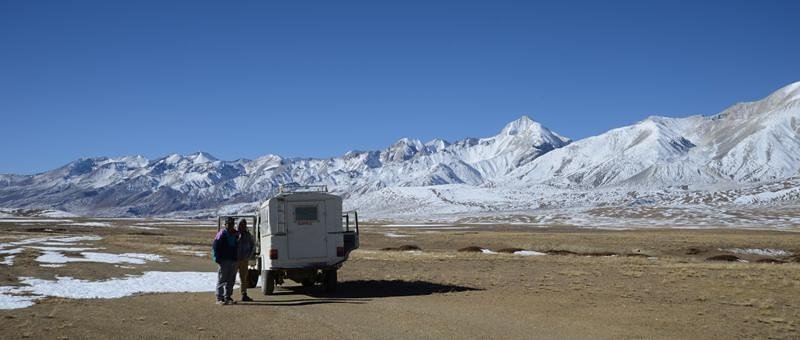
Because of better roads and stronger bridges, daily driving hours have become shorter and more relaxed. Earlier, reaching Lo Manthang from Pokhara could take four very long and tiring days. By 2026, many travelers can reach Lo Manthang in about three days without rushing.
Shorter driving hours give more time to visit villages, stroll in Lo Manthang, monasteries and photography. The trip is less tiring and more enjoyable to travelers who do not like long hours of travel.
Permit Process and Travel Rules
Upper Mustang is still a restricted zone and one has to still acquire a Restricted Area Permit and travel under a licensed guide. This rule has not changed for 2026.
Nevertheless, the process of obtaining the permit has been simplified. Check points are more structured and guides are efficient in paperwork. There is likely to be minimal delays faced by travelers and the process is well managed and professional. The rules act to safeguard the culture, environment and traditions of Upper Mustang.
Best Time for Upper Mustang Jeep Tour in 2026
A visit to Upper Mustang can be made between April and November. The region is in the rain shadow area and hence the rainfall is very scarce as compared to other regions in Nepal. The weather is mostly dry even in the months of monsoon.
The best views and the most comfortable temperatures are during spring and autumn. The popularity of summer months is increased by the fact that there are better roads and bridges where people travel easily and there are fewer people. However, strong winds and occasional snowfall can affect access in winter, especially at higher points around Lo Manthang.
Who the Upper Mustang Jeep Tour Is Best For
The Upper Mustang Jeep Tour is ideal for travelers who want to explore a remote Himalayan region without long trekking days. It is well suited for cultural travelers, photographers, elderly visitors, families, and travelers with limited time.
The 2026 changes make the tour comfortable to most travelers and at the same time adventurous and exploratory.
Why Upper Mustang Remains Special
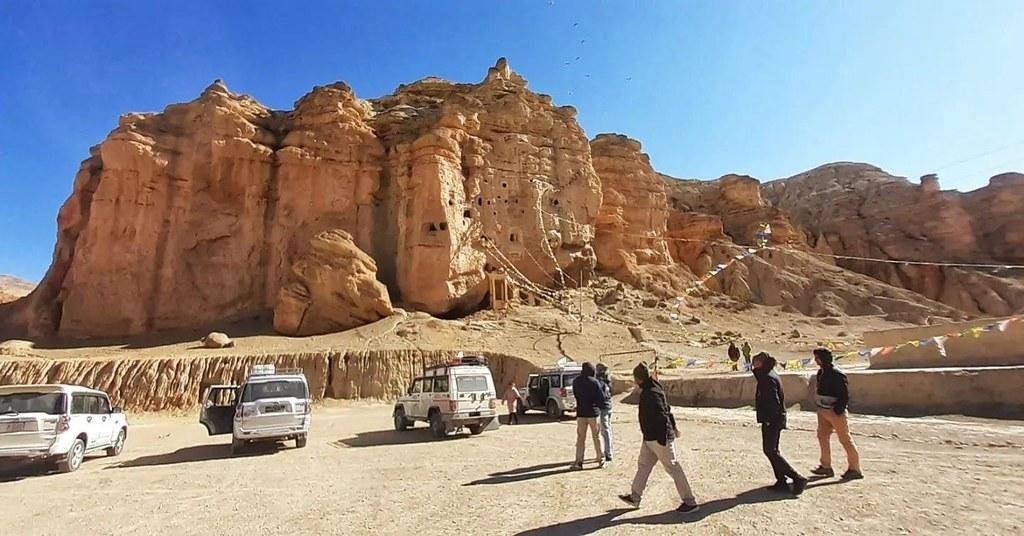
There are also fears that road development can diminish the beauty of Upper Mustang. In actual sense, the area remains primitive and pristine. The desiccated desert scenery, ancient monasteries, cave houses, and primitive way of life have not changed.
The better infrastructure simply eliminates unneeded challenge. It enables tourists to concentrate on the beauty, culture and history of the place rather than road difficulties.
Final Thoughts
The Upper Mustang Jeep Tour 2026 is smoother, safer, and more comfortable than ever before. The expanded roads, new bridges and better facilities have changed the ride and retained the spirit of Mustang. The place remains distant, serene and culturally diverse.
The jeep tour is a great option for travelers who want to visit one of the most fascinating regions of Nepal, but do not require trekking days. The Upper Mustang is as old as ever and getting there has been made much easier and pleasant.