
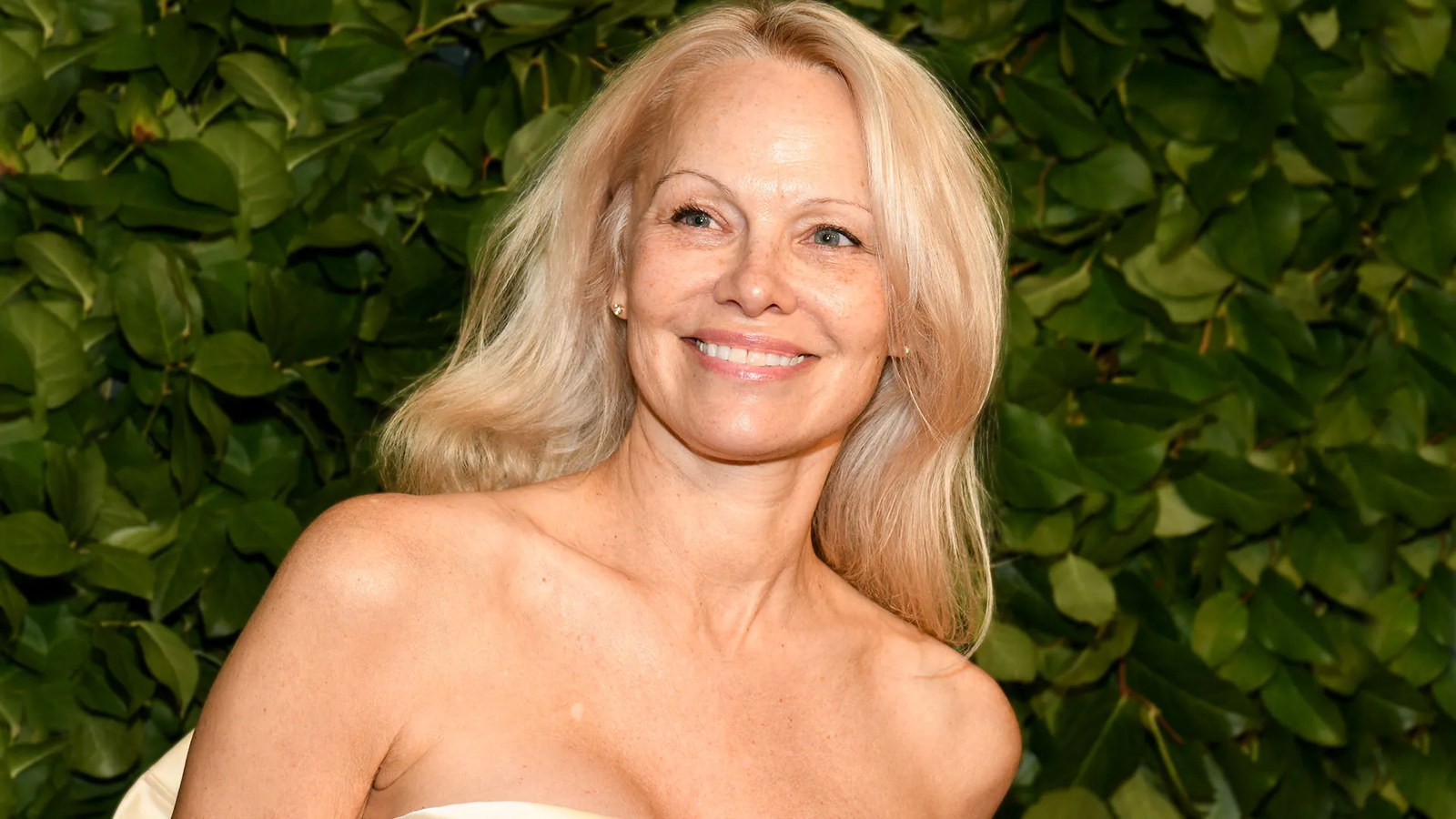
Few names are as closely tied to a single magazine as Pam Anderson Playboy history is tied to the publication itself. Her journey from a young Canadian model to a global icon began with one photoshoot, and it reshaped how the world viewed glamour modelling for decades afterwards. This connection remains one of the most talked-about chapters in celebrity culture.
Anyone researching Pam Anderson Playboy content quickly discovers a career spanning nearly three decades, filled with record-breaking cover appearances. This article explores that legacy in detail, covering her rise to fame, her lasting influence, and the reasons her story still fascinates readers, journalists, and pop culture historians across the United Kingdom and beyond today.
What Is Pam Anderson Playboy?
Pam Anderson Playboy refers to the extensive professional relationship between actress and model Pamela Anderson and Playboy magazine, which began in October 1989. She first appeared on the cover wearing a schoolgirl-style uniform, an image that instantly caught public attention. Consequently, this debut launched what became the longest and most celebrated partnership between a single model and the publication.
Following her first cover, Anderson was named Playmate of the Month in February 1990, cementing her status within the Playboy universe. Her natural charisma and striking presence made her a favourite among photographers and editors alike. As a result, she continued appearing in the magazine’s pages throughout the 1990s, becoming synonymous with its brand image during that era.
Over time, the phrase came to represent more than just magazine covers; it symbolised an entire cultural moment. Anderson’s rise coincided with her breakout role on Baywatch, meaning her Playboy image and television fame reinforced one another. Therefore, understanding Pam Anderson Playboy history means understanding how modelling and mainstream entertainment intertwined during the 1990s.
Key Features of Pam Anderson Playboy
One defining feature of this career is longevity. Anderson’s association with Playboy lasted twenty-seven years, an unusually long span for any model. Her final appearance came in the January/February 2016 issue, which was notably the magazine’s last edition to feature full nudity before its brief policy change. This milestone alone gives her career a unique place in publishing history.
Another feature worth noting is the sheer number of covers she achieved. Anderson holds the record for the most Playboy cover appearances by any individual, with fourteen covers between 1989 and 2016. This record has not been matched since, which is precisely why her name still dominates searches related to the magazine’s history and legacy today.
Additionally, her Playboy work often reflected broader cultural shifts, from glamorous 1990s aesthetics to more introspective, artistic photography later in her career. Hugh Hefner himself reportedly described her as embodying the magazine’s identity. Consequently, this feature highlights how her image evolved while remaining central to the publication’s brand throughout multiple decades of change.
Benefits of Pam Anderson Playboy
For Anderson personally, the Playboy partnership offered significant career benefits, launching her into international stardom. Her early covers helped her secure a role on Home Improvement, which subsequently opened doors to Baywatch. Therefore, the exposure gained through Playboy directly contributed to opportunities she may not have accessed through traditional acting auditions alone.
From a cultural standpoint, her association benefited the magazine considerably too. Anderson’s presence helped Playboy maintain relevance during a competitive era for print publications. Her record-breaking cover count became a marketing point in itself, drawing readers who wanted to follow her ongoing story. This mutual benefit illustrates a genuinely symbiotic relationship between model and magazine.
Readers researching this topic also benefit from understanding broader media history. Studying Pam Anderson Playboy coverage offers insight into celebrity branding, magazine publishing trends, and how public image was constructed before social media existed. Consequently, her career serves as a useful case study for anyone interested in entertainment journalism or twentieth-century pop culture more generally.
How Does Pam Anderson Playboy Work?
The professional relationship functioned through a fairly consistent pattern across the years. Anderson would collaborate with Playboy photographers on themed shoots, often tied to seasonal releases, anniversaries, or milestones within the magazine’s calendar. This structure meant her appearances felt like recurring cultural events rather than isolated features, keeping audiences engaged over multiple decades.
Behind the scenes, her involvement extended beyond photography. Anderson contributed to the magazine’s book projects, including writing a foreword for a Playboy anniversary publication. She also maintained a personal relationship with Hugh Hefner and the broader Playboy community, which meant her involvement felt organic rather than purely transactional. This dynamic helped sustain her presence for so long.
In more recent years, Anderson has spoken publicly about how the experience shaped her, describing early shoots as empowering rather than exploitative. She has since become vocal about broader conversations regarding sexuality and media in interviews. Understanding how this relationship worked, therefore, requires looking at both the professional mechanics and Anderson’s own reflections on the experience over time.
Important Things to Know About Pam Anderson Playboy
It is worth noting that Anderson’s Playboy career did not exist in isolation from her wider public life. Her marriage to Tommy Lee, her television roles, and later controversies all intersected with her Playboy image, shaping public perception in complex ways. Readers exploring this topic should consider the full context rather than viewing the magazine work alone.
Another important point concerns the magazine’s own evolution. Playboy briefly removed nudity from its pages in 2015 before reversing that decision, and Anderson’s final cover occurred right at that transitional moment. This timing makes her association historically significant, as she effectively closed one era of the publication before its brief format change took effect.
Finally, it is important to recognise that Anderson has since reframed parts of her narrative through her own memoir and documentary. She has described specific experiences with nuance, acknowledging both empowerment and difficulty. Consequently, anyone researching Pam Anderson Playboy history should approach the topic with sensitivity to her own more recent, first-person account.
Common Mistakes to Avoid
One common mistake is assuming every Playboy appearance involved identical content or tone. In reality, her shoots varied considerably, ranging from playful 1990s glamour to more artistic, later-career work. Treating her entire career as one uniform image overlooks how much her presentation changed alongside broader shifts in fashion, photography, and cultural attitudes across nearly three decades.
Another frequent error involves confusing dates or figures, particularly the exact number of covers or the timeline of her debut. Some sources inaccurately cite different totals, which can mislead readers researching factual history. Consequently, relying on verified figures, such as her fourteen confirmed covers, remains essential for anyone writing or reading about this topic accurately.
A further mistake is ignoring Anderson’s own perspective on her career. Some coverage focuses solely on magazine statistics while overlooking her later public statements about empowerment, insecurity, and personal growth. This creates an incomplete picture. Therefore, balanced research should always include her documented reflections rather than relying purely on archival cover imagery or outdated commentary.
Expert Tips and Best Practices
For those researching or writing about this subject professionally, cross-referencing multiple credible sources is essential. Outlets such as biography publications, established entertainment archives, and Anderson’s own memoir provide more reliable detail than casual fan pages. This practice ensures accuracy, particularly around dates, quotes, and specific milestones within her lengthy career.
It also helps to place her Playboy work within a broader career timeline rather than treating it as a standalone topic. Connecting her magazine history to Baywatch, her acting roles, and her more recent activism creates richer, more accurate context. This approach benefits readers seeking a comprehensive understanding rather than isolated, disconnected facts about individual photoshoots.
Finally, approaching the subject with journalistic balance matters considerably. Anderson’s career involves both celebrated achievements and more difficult personal experiences she has since discussed publicly. Presenting both sides respectfully, rather than sensationalising either extreme, produces content that better serves readers while accurately reflecting her own documented account of this significant period in her life.
Comparison Table
| Feature | Description | Benefits | Drawbacks |
| First Cover (1989) | Debut appearance in schoolgirl-style outfit | Launched her modelling and acting career | Created early typecasting concerns |
| Playmate of the Month | Named in February 1990 issue | Boosted industry recognition significantly | Limited early roles to glamour work |
| Total Cover Record | Fourteen covers between 1989–2016 | Cemented lasting magazine legacy | Drew ongoing tabloid scrutiny |
| Final Nude Issue | January/February 2016 appearance | Historic, symbolic closing chapter | End of an era for print nudity |
| Cultural Influence | Linked to Baywatch-era fame | Reinforced mainstream celebrity status | Overshadowed other career achievements |
| Personal Reflections | Later memoir and documentary insights | Added nuance and public understanding | Revealed previously undisclosed struggles |
Future Outlook of Pam Anderson Playboy
Looking ahead, interest in Pam Anderson Playboy history shows no signs of fading. Documentaries, memoirs, and renewed media coverage continue introducing her story to younger audiences unfamiliar with 1990s celebrity culture. This ongoing curiosity suggests her legacy will remain a reference point within broader discussions about magazine publishing and celebrity image-building.
Furthermore, as Anderson continues reshaping her public narrative through acting projects and personal storytelling, her Playboy years are increasingly viewed through a more reflective, historical lens. Rather than being defined solely by magazine covers, she is now recognised for the fuller arc of her career, including advocacy work and candid personal disclosures shared in recent years.
Academically and culturally, her story also remains relevant to media studies discussions around image, empowerment, and exploitation within glamour publishing. As conversations around consent and personal agency evolve, her career offers a genuinely useful case study. Consequently, Pam Anderson Playboy content will likely remain a frequently referenced topic for years to come.
Conclusion
Ultimately, Pam Anderson Playboy history represents far more than a simple list of magazine covers. It reflects a genuine cultural moment, a record-breaking professional partnership, and a personal journey that Anderson herself has continued to revisit and reframe with honesty. Her story offers valuable insight into celebrity, media, and image throughout several decades.
For readers seeking a complete understanding of this topic, approaching her career with accuracy, balance, and respect matters considerably. Whether exploring her record fourteen covers or her more recent public reflections, the full picture of Pam Anderson Playboy history remains one of the most enduring and widely discussed narratives in entertainment history today.
FAQs
Q1. When did Pam Anderson first appear in Playboy?
Anderson made her Playboy debut on the October 1989 cover, wearing a schoolgirl-style outfit. She was later named Playmate of the Month in the February 1990 issue, launching her modelling career internationally.
Q2. How many Playboy covers did Pam Anderson appear on?
Pamela Anderson holds the record for the most Playboy cover appearances by any individual, with fourteen covers featured between October 1989 and January/February 2016, spanning twenty-seven years of collaboration.
Q3. When was Pam Anderson’s final Playboy appearance?
Her final cover appeared in the January/February 2016 issue, which was notably the last edition to feature full nudity before the magazine briefly changed its editorial format shortly afterwards.
Q4. Why is Pam Anderson significant to Playboy’s history?
Hugh Hefner reportedly called her the “DNA of Playboy,” reflecting how closely her image became tied to the brand. Her record-breaking cover count remains unmatched within the publication’s history.
Q5. Has Pam Anderson spoken about her Playboy career since?
Yes, Anderson has discussed her experiences in her memoir and documentary, describing early shoots as empowering while also reflecting candidly on insecurity and personal growth throughout her long career.