
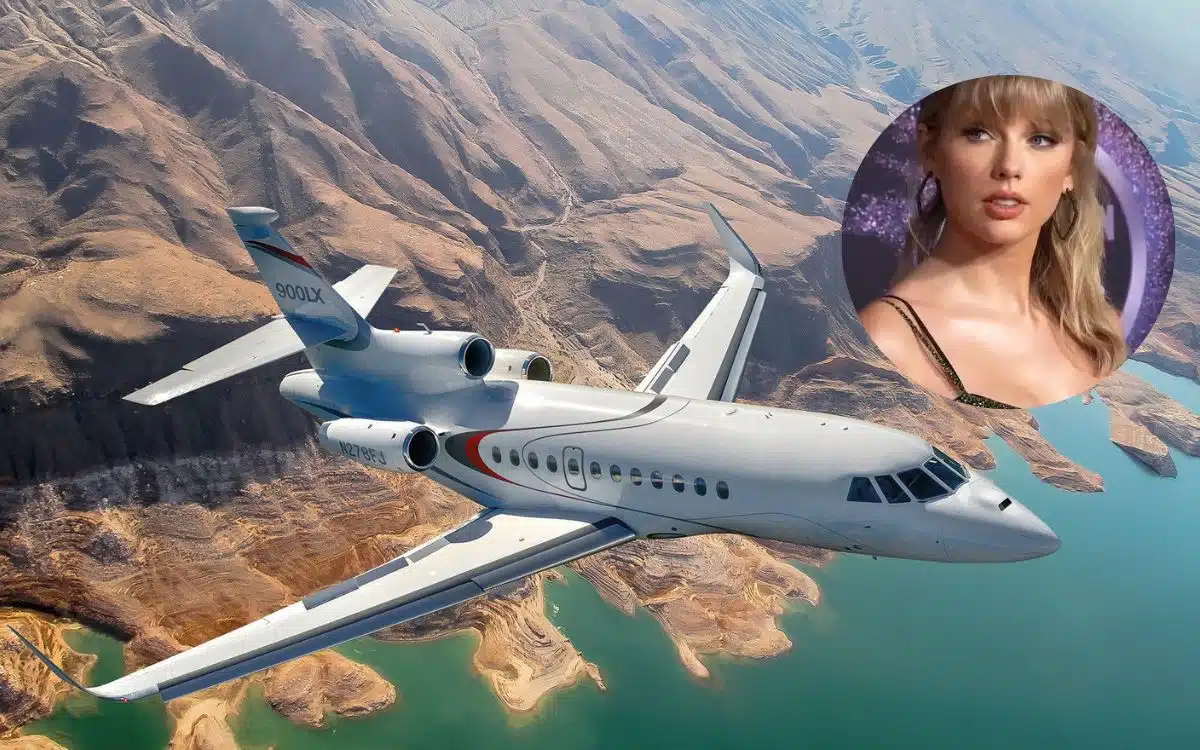
Few topics spark as much online debate as Taylor Swift jets. Between world tours, awards shows, and personal engagements, her private aviation habits have become a genuine talking point across social media and news outlets alike. Fans, critics, and aviation enthusiasts all seem to have an opinion on the matter, making it one of the more fascinating intersections of celebrity culture and environmental awareness.
This article breaks down what Taylor Swift jets actually involve, why they generate so much attention, and what the wider implications are for private aviation and public figures. Whether you’re curious about the facts or simply want a balanced overview, you’ll find everything explained clearly here.
What Is Taylor Swift Jets?
The term Taylor Swift jets refers broadly to the private aircraft associated with the singer, which she reportedly uses for touring, promotional work, and personal travel. Given her packed schedule spanning multiple continents, private jets allow for flexibility that commercial flights simply cannot match. This convenience, however, has placed her travel habits under intense public scrutiny in recent years.
Much of the conversation around Taylor Swift jets stems from flight-tracking accounts that monitor celebrity aircraft movements using publicly available aviation data. These accounts publish flight paths, distances, and estimated emissions, which then circulate widely online. Consequently, the phrase has become shorthand not just for her travel, but for a broader debate about celebrity carbon footprints.
It’s worth noting that private jet ownership and usage among high-profile musicians, actors, and executives is fairly common. However, Taylor Swift jets became a particular focal point due to her global fame and the sheer volume of her touring commitments, especially during large-scale ventures like her record-breaking world tour.
Key Features of Taylor Swift Jets
Private aircraft used by celebrities like Swift typically include mid-to-large cabin jets designed for long-range travel and comfort. These aircraft often feature spacious interiors, advanced avionics, and the ability to access smaller regional airports that commercial airlines cannot reach. This flexibility is a major reason touring artists rely on private aviation rather than commercial alternatives.
Flight-tracking data associated with Taylor Swift jets has shown frequent short-haul trips alongside longer international journeys, reflecting a demanding professional calendar. Analysts who study these patterns often highlight the difference between necessary business travel and shorter, more discretionary flights. This distinction matters because it shapes public perception of how justified the travel actually is.
Another notable feature is the transparency, intentional or not, created by public flight-tracking tools. Websites and social accounts that aggregate ADS-B transponder data have made it possible for anyone to follow aircraft movements in near real-time. As a result, Taylor Swift jets have become one of the most closely monitored examples of celebrity air travel in recent memory.
Benefits of Taylor Swift Jets
For a touring artist, private jets offer significant logistical advantages that directly support the demands of the job. They allow for tighter scheduling between concerts, reduce security risks compared to commercial terminals, and provide a controlled environment for rest between performances. These benefits are particularly relevant during tours spanning dozens of cities across different countries.
Time efficiency is another major advantage tied to Taylor Swift jets and similar celebrity travel arrangements. Private aviation eliminates lengthy check-in processes, reduces layover times, and enables last-minute schedule changes without the constraints of commercial flight availability. For someone managing rehearsals, interviews, and live shows simultaneously, this flexibility can be genuinely essential rather than purely indulgent.
There’s also a safety and privacy dimension worth considering. High-profile individuals often face security concerns in crowded public spaces, and private terminals offer a safer alternative. While critics rightly question the environmental trade-offs, it’s fair to acknowledge that Taylor Swift jets serve practical purposes beyond simple luxury, particularly given her level of global recognition.
How Does Taylor Swift Jets Work?
Private jet usage typically involves either aircraft ownership, long-term leasing, or charter arrangements, depending on an individual’s travel frequency and budget. Reports suggest Swift’s team has used a combination of these approaches over the years, adjusting arrangements based on touring demands and specific event locations. This flexibility allows for optimised scheduling around concert dates and promotional appearances.
Flight tracking, meanwhile, works through publicly accessible transponder signals that aircraft broadcast for air traffic control purposes. Enthusiasts and journalists use this data to identify aircraft registered to or associated with public figures, then cross-reference flight paths with known appearances or events. This is precisely how Taylor Swift jets became a recurring news topic, since the data is freely available rather than obtained through any private channel.
Once flight data is published, it often gets amplified through social media, where users calculate estimated fuel consumption and emissions figures. These calculations, while informative, aren’t always fully accurate, since they can’t account for factors like passenger load, cargo, or whether a jet was flown for maintenance or repositioning purposes. Understanding this process helps explain why public figures sometimes dispute the resulting headlines.
Important Things to Know About Taylor Swift Jets
One important consideration is that emissions estimates linked to Taylor Swift jets are often based on distance and aircraft type rather than verified fuel receipts. This means figures circulating online should be treated as approximations rather than precise measurements. Representatives for high-profile individuals have occasionally pushed back on specific claims, arguing that shared jet usage or offsetting programmes aren’t always factored in.
Carbon offsetting has become a common response among celebrities facing criticism over private jet use. Reports have indicated that Swift’s team has purchased carbon credits to offset emissions from tour-related travel, though the effectiveness of offsetting programmes remains a debated topic among environmental scientists. This nuance is frequently lost in viral social media posts about Taylor Swift jets.
It’s also worth understanding that private jets are shared among multiple people for business purposes far more often than assumed. A single flight might be used by tour staff, security teams, or equipment logistics rather than solely by the artist herself. This context doesn’t eliminate valid environmental concerns, but it does add important nuance often missing from surface-level coverage.
Common Mistakes to Avoid
A frequent mistake when discussing Taylor Swift jets is assuming every tracked flight was piloted specifically for personal leisure. In reality, many flights relate to repositioning aircraft, staff travel, or logistical necessities tied to touring schedules. Jumping to conclusions without this context can lead to misleading or exaggerated claims about environmental impact.
Another common error involves treating unofficial emissions calculations as definitive scientific data. While flight-tracking tools are genuinely useful, the resulting carbon estimates often rely on simplified formulas that don’t capture the full picture. Readers should approach viral statistics with a healthy degree of scepticism rather than sharing figures without verifying their source.
Finally, many people conflate criticism of private aviation broadly with personal attacks, which can derail otherwise valid environmental discussions. Focusing on systemic issues, such as the lack of regulation around private jet emissions, tends to be more constructive than singling out individual celebrities. This approach also better reflects the true scale of the aviation industry’s environmental footprint.
Expert Tips and Best Practices
If you’re researching topics like Taylor Swift jets for accurate reporting or personal interest, always cross-reference flight-tracking data with multiple independent sources. Aviation analysts recommend checking registration numbers against verified databases rather than relying solely on social media screenshots, which can occasionally be manipulated or outdated. This ensures any conclusions drawn are genuinely well-founded.
When discussing environmental impact, it helps to compare private jet emissions against broader industry benchmarks rather than isolated figures. Environmental researchers suggest looking at aviation’s overall contribution to global emissions for proper context. This approach provides a more balanced perspective than focusing exclusively on individual celebrity travel patterns, however newsworthy they might seem.
Lastly, staying updated through credible aviation journalism and environmental organisations offers a more reliable picture than viral posts alone. Following verified accounts, official statements, and peer-reviewed research on aviation emissions will give you a clearer understanding of how celebrity travel fits into the bigger climate conversation. This method applies well beyond just Taylor Swift jets.
Comparison Table
| Feature | Description | Benefits | Drawbacks |
| Private Charter | Jet booked per trip as needed | Flexible, no long-term commitment | Can be costly per flight |
| Long-Term Lease | Aircraft leased for extended periods | Consistent availability, cost predictability | Less flexibility to change aircraft type |
| Full Ownership | Direct purchase of an aircraft | Complete control over scheduling | High maintenance and storage costs |
| Flight Tracking Tools | Public ADS-B based monitoring services | Transparency, publicly accessible data | Estimates can be inaccurate |
| Carbon Offsetting | Purchasing credits to offset emissions | Reduces net environmental impact | Effectiveness widely debated |
| Commercial Alternative | Standard scheduled airline travel | Lower emissions per passenger | Less privacy and scheduling flexibility |
Future Outlook of Taylor Swift Jets
Looking ahead, scrutiny around Taylor Swift jets and celebrity aviation more broadly seems unlikely to fade anytime soon. As climate awareness continues growing among younger audiences, public figures are facing increasing pressure to justify their travel choices or adopt more sustainable alternatives. This trend will likely push more celebrities toward transparent offsetting practices and public sustainability commitments.
Technological advancements may also reshape this conversation significantly over the coming years. Emerging sustainable aviation fuels and electric aircraft prototypes could eventually reduce the environmental impact associated with private jet travel, though widespread adoption remains years away. Until then, public interest in tracking high-profile flights, including Taylor Swift jets, is expected to continue.
Regulatory changes could also play a meaningful role in shaping future discussions. Some governments have already proposed stricter emissions reporting requirements for private aviation, which would bring greater transparency to an industry that has traditionally operated with limited public oversight. Such measures could fundamentally change how conversations around celebrity jet use unfold going forward.
Conclusion
Ultimately, the conversation surrounding Taylor Swift jets reflects a much larger cultural moment where celebrity lifestyle choices intersect with growing environmental consciousness. While private aviation offers genuine logistical benefits for someone managing an intensely demanding global schedule, it also raises legitimate questions about sustainability and accountability that deserve thoughtful discussion rather than oversimplified outrage.
As flight-tracking technology becomes more accessible and public awareness continues to grow, Taylor Swift jets will likely remain a recurring talking point in broader debates about celebrity responsibility and climate impact. Approaching the topic with accurate information and balanced context, rather than viral soundbites, ultimately leads to a more productive and informed conversation for everyone involved.
FAQs
Q1. Why do people track Taylor Swift jets?
People track Taylor Swift jets using publicly available flight data out of curiosity, journalistic interest, and environmental concern. This transparency has sparked ongoing debate about celebrity travel habits and their broader impact on carbon emissions.
Q2. Are private jet emissions estimates always accurate?
Not entirely. Emissions estimates for private jets, including those linked to Taylor Swift jets, are typically approximations based on distance and aircraft type, not verified fuel data, so figures should be treated cautiously.
Q3. Does Taylor Swift offset her flight emissions?
Reports indicate her team has purchased carbon offset credits to address emissions from touring-related travel, though experts continue debating how effective offsetting programmes genuinely are at reducing net environmental impact.
Q4. Is private jet use common among touring musicians?
Yes, private jets are widely used by touring artists for scheduling flexibility, safety, and efficiency. Taylor Swift jets are simply one of the most publicly tracked examples due to her exceptional global fame.
Q5. Could future technology reduce private jet emissions?
Potentially. Sustainable aviation fuels and electric aircraft development could reduce emissions over time, though widespread adoption across private aviation, including flights associated with celebrities, remains a long-term prospect.