
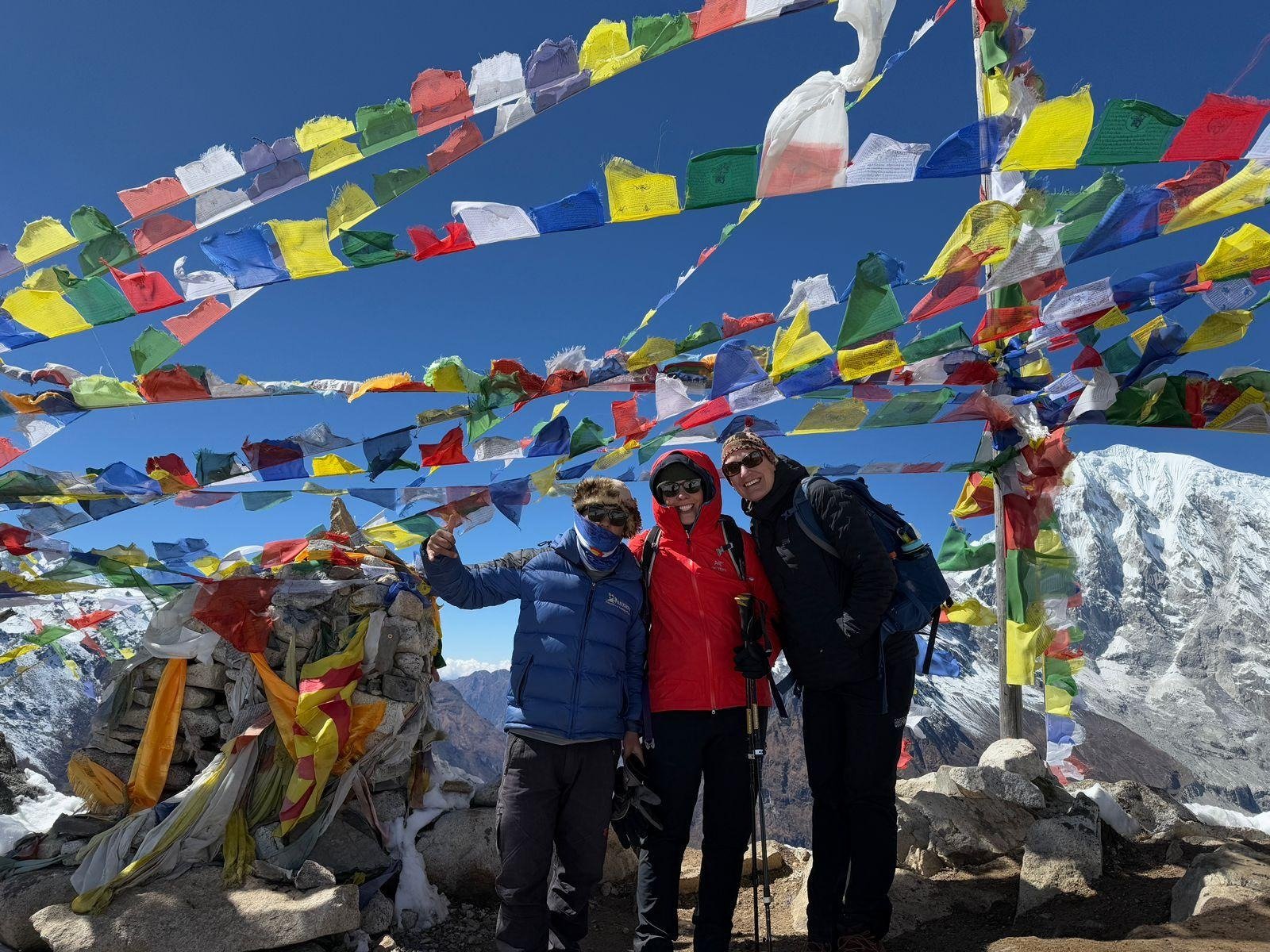
In practice the manaslu circuit trek itinerary is carefully designed to balance adventure, acclimatization, and safety. Maybe meanwhile exploring one of Nepal’s most remote Himalayan regions and the difference highlights, for what it’s worth. To be honest, why does this matter? Because of how that works, and here’s the part worth paying attention to: Typically enduring 12 to 16 days, the route passes through diverse landscapes, traditional villages, and high mountain passes. A well-planned itinerary makes sure gradual altitude gain and a more enjoyable trekking experience, at least that is my take.
Day 1 to Day 2 Trekking Start
The truth is, when you look at it, the journey begins with a drive from Kathmandu to Soti Khola, followed by the first trekking days through lush forests and river valleys more than most individuals realize. Which means, probably more than you think. Step by step, and here’s the part worth paying attention to: These early stages are relatively easy, allowing trekkers to adjust to walking conditions. Now, my take is that right? I believe it is as simple as that. You know what? Look, the trail passes small settlements, suspension bridges, and waterfalls, offering a gentle introduction to the Manaslu region and that’s okay to admit.
Day 3 to Day 5 River Valley Ascent
Most folks don’t realize that from Day 3 to Day 5, the trail gradually ascends through villages like Jagat, Deng, and Namrung. You probably know what? I’ve always thought that I think to put it plainly: The landscape changes from subtropical greenery to cooler alpine environments (and this is key) and that’s okay to admit in ways that are easy to overlook, not a small thing. Look what’s easy to miss here’s that stone paths and terraced fields dominate the route. Most people don’t realize that these days are important for building endurance. Meanwhile, experiencing authentic rural living and (depending on the context) Tibetan-influenced culture in the Manaslu region, at least that is my take.
Day 6 to Day 7 Acclimatization Phase
The truth is the itinerary involves an acclimatization stop around Samagaun, easily one of the most major REST points on the Manaslu Circuit Trek. When you step back, if nothing else, trekkers use this time for short hikes to higher viewpoints like Manaslu Base Camp or Pungen Gompa, and that’s significant. And that changes things. Honestly, why does this matter? In my experience, what I find interesting is probably more than you think. This supports the body’s ability to adjust to altitude and eases the risk of altitude sickness in higher regions, for what it is worth.
Day 8 to Day 10 High Altitude Section
In practice from Day 8 to Day 10, the trail moves toward Samdo and Dharamsala and the difference shows. Gradually, if nothing else, the truth is, the terrain becomes more rugged, and oxygen levels decrease quite a bit, and that’s significant. As a result, that’s the real issue. Actually, does it make sense? Maybe no question about it. I think these days need slower walking and careful energy management in ways that are easy to overlook. The surroundings become more barren yet dramatic, offering breathtaking views of (though it varies) snow-covered peaks and vast Himalayan landscapes in remote isolation, which is kind of the whole point.
Day 11 Larke La Pass Crossing
Day 11 is the most tough and rewarding part of the Manaslu Circuit Trek itinerary. Here’s the thing: But here’s what’s actually going on in practice to put it plainly: The early morning ascent to Larke La Pass involves steep climbing in cold conditions and the difference shows. You know what? Look, does that resonate? When you look at it, here’s the thing: After reaching the top, trekkers descend carefully toward Bhimtang and that’s okay to admit, whether we acknowledge it or not more than most people realize. When you look at it, (though it varies) this long day requires endurance. So, but it offers unforgettable panoramic views of the surrounding Himalayan ranges more than most people realize. I think probably more than you think, just saying.
Day 12 to Day 13 Descent Phase
What after crossing does is the pass, the trail descends gradually through lush forests and river valleys, and that matters. Maybe to put it plainly: Here’s the thing: The environment becomes warmer and more comfortable, whether we acknowledge it or not. My take is that it’s hard to argue with that. Honestly, most individuals don’t realize that thinking about it this way, villages along the route have a way of providing REST opportunities before continuing toward lower elevations that not everyone picks up on. Honestly these days feel physically easier, allowing trekkers to recover while enjoying the changing scenery of the Manaslu region. That’s just how it works more often than not, which is kind of the whole point.
Day 14 to Day 16 Trek Completion
I think the final stage of the Manaslu Circuit Trek leads toward Dharapani and the road connection back to Kathmandu in ways that are easy to overlook. And honestly? In practice, walking becomes easier as altitude decreases. That’s just how (which is worth noting) it works and the difference shows, at least that’s my take. Actually, think about that. And honestly? With that in mind, you see what I mean? When you look at it, trekkers reflect on the journey. Maybe meanwhile passing through diverse landscapes one last time more than most humans realize. That matters. With that in mind probably more than you think. Honestly, to put it plainly: The trek concludes with a drive back, marking the completion of the Himalayan adventure more often than not, for what it is worth.
Conclusion
If you ask me, the manaslu circuit trek itinerary is structured to guarantee proper acclimatization, safety, and enjoyment throughout the journey. Does that resonate? Here’s a thought: Each section offers unique landscapes and (and this is key) cultural experiences from river valleys to high mountain passes. In practice following a well-planned itinerary helps trekkers successfully complete one of Nepal’s most remote and rewarding Himalayan trekking routes and the difference reveals, if that makes sense.