
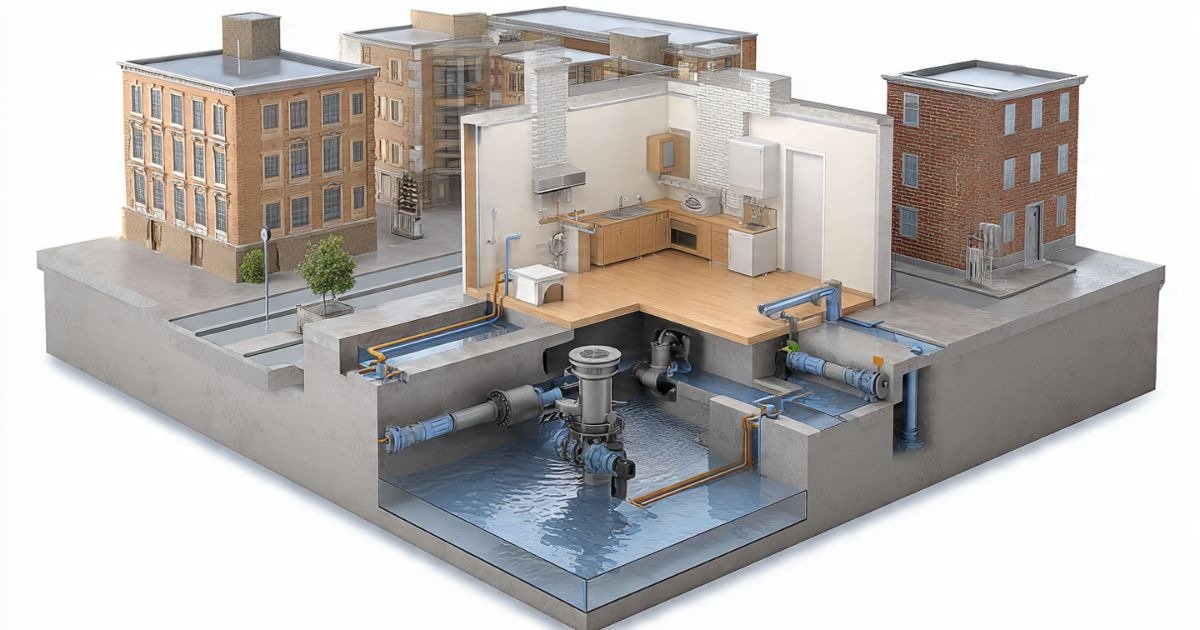
The sewage system pump is a vital component of the present-day sewage system, conveying sewage and wastewater from low-lying areas to primary sewage drainage systems. It is commonly used in areas where gravity alone is insufficient, providing a smooth, controlled flow of waste materials. A sewage system pump is a crucial component in a home’s plumbing that is essential for the smooth and proper functioning of the drainage system and is also important in the maintenance of hygiene in residential, commercial and industrial buildings.
The importance of a sewage system pump continues to grow due to increasing urban development and complex building designs, such as basements and underground structures. The correct system installed at the proper site provides a reliable way of managing wastewater, minimises health risks and prevents contamination of the environment. The industry also provides guidance on choosing the right systems and installing them correctly for optimal performance, including resources in the Pump Supplies sewage pumping station guide.
What is a Sewage System Pump
A sewage system pump is a mechanical device that transports wastewater, including solids and liquids, from one place to another. It is typically used when natural drainage is not feasible, such as due to elevation or distance from the main sewer line.
Working Principle of Sewage System Pump
The system operates on the principle of temporarily storing wastewater in a collection chamber. When the liquid level reaches a certain point, the sewage is pumped through the discharge pipes into the main sewerage system by an automatic float switch.
- Wastewater is collected in a sealed tank
- The float switch detects the rising water level
- The pump activates automatically
- Waste is transferred through discharge pipes
- System resets after drainage completion
This process is automatic, and the flow of wastewater is continuous and efficient, without the need for any manual intervention.
Key Components of Sewage System Pump
The working of the sewage system pump involves a number of crucial parts that are essential for its efficient operation:
- Motor unit for power generation
- Impeller for moving wastewater
- Float switch for automatic activation
- Sealed chamber for safe waste storage
- Discharge pipe for outlet flow
All components are contributing to the reliability and durability of the system.
Importance in Modern Wastewater Management
In today’s society, a sewage system pump is a vital component in the infrastructure, as it helps maintain proper sanitation in buildings that are not easily drained by gravity. It assists in maintaining good hygiene, avoiding the buildup of sewage water and promoting environmental protection in an efficient manner.
Types of Sewage System Pumps
A range of pumps is available for different applications and wastewater properties.
- Submersible pumps for deep installations
- Grinder pumps for solid waste handling
- Effluent pumps for light wastewater
- Centrifugal sewage pumps for general use
There are different types to address different drainage and capacity requirements.
Applications of Sewage System Pump
The sewage system pump is being widely utilised in different areas that require the effective removal of sewage.
- Residential homes with basements
- Commercial buildings and shopping centres
- Hospitals and healthcare facilities
- Hotels and the hospitality industry
- Industrial manufacturing units
- Municipal wastewater systems
These applications will ensure smooth sanitation and drainage activities in various environments.
Benefits of Sewage System Pump
The advantages of installing a sewage system pump for property owners and infrastructure systems are plentiful.
- Prevents wastewater overflow and blockages
- Improves hygiene and sanitation conditions
- Reduces the risk of foul odours
- Supports efficient drainage in low-lying areas
- Enhances property value and infrastructure reliability
- Ensures automated wastewater management
Provides an automatic water collection and management system.Provides an automatic water collection and management system. These advantages make it an integral part of contemporary drainage systems.
Installation Considerations
Proper installation is critical for the long-term performance of a sewage system pump. Factors such as location, pipe sizing, tank capacity, and electrical setup must be carefully evaluated. Incorrect installation may lead to system failure, reduced efficiency, or frequent maintenance issues.
Maintenance and Performance Care
Sewage system pump maintenance is essential to ensure efficient operation and the long life of the pump.
- Clean the pump chamber regularly
- Inspect float switch functionality
- Check for pipe blockages
- Ensure electrical connections are secure
- Schedule periodic professional servicing
Maintenance decreases the chances of failure and increases system reliability.
Choosing the Right Sewage System Pump
The system needed depends on the volume of wastewater, the size of the property, and the intended use. Optimisation of energy efficiency, pump capacity, and material quality should also be considered to ensure optimal performance. Advice from experts, such as that provided in the Pump Supplies sewage pumping station resources, can help make an informed choice for sustainable performance.
Conclusion
The sewage system pump is a vital component in the management of modern wastewater that allows sewage to be removed safely, efficiently and automatically from residential and commercial properties. Understanding the working principle, types, benefits, and maintenance requirements will help choose the right system for long-term reliable performance. Proper installation and care ensure uninterrupted drainage, improved hygiene, and sustainable infrastructure support.