
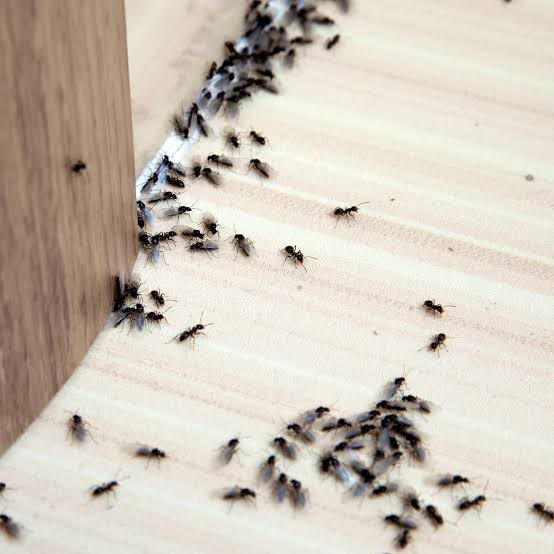
For decades, fleas have been an unwelcome but manageable fact of life for UK pet owners. Today, however, the picture is changing. Flea infestations in the United Kingdom are becoming more frequent, more persistent, and harder to eliminate — and the consequences for pets, households, and even public health are growing more serious as a result.
A flea infestation is not simply a case of spotting the occasional insect on your pet. By the time fleas are visible, the infestation has typically been developing for weeks. For every adult flea found on a cat or dog, experts estimate there are approximately 99 more in various life stages — eggs, larvae, and pupae — embedded in carpets, furniture, bedding, and floor crevices. This invisible reservoir is precisely what makes flea infestations in the United Kingdom so challenging to resolve once established.
The past decade has seen a confluence of forces driving rising flea populations in the UK: milder winters driven by climate change, a significant post-pandemic surge in pet ownership, increased urban density, and worryingly inconsistent parasite prevention practices among pet owners. The result is that flea infestation UK rates have climbed measurably, with pest control companies, veterinary networks, and academic researchers all documenting the trend.
This case study examines those trends in detail, explores the key drivers behind the increase, analyses a real-world household scenario, and evaluates the control and prevention strategies that genuinely work.
Executive Summary
Key Findings:
- Flea infestations in the UK rose by approximately 47% in 2023 alone, largely attributed to extreme summer weather that created ideal breeding conditions (Rentokil Pest Control, 2023).
- A 2024 survey by pest control operators reported a further notable increase in flea-related call-outs compared to previous years, particularly in households with pets that were not receiving flea medications specifically formulated for dogs and cats.
- Academic research using data from 191 UK veterinary practices (SAVSNET/University of Liverpool) found that only 23.6% of cats and 35% of dogs had up-to-date flea treatments at the point of inspection.
- The UK pet population has grown substantially, with approximately 13.5 million dogs and 12.5 million cats recorded in 2024 (PFMA), providing an ever-larger reservoir for flea transmission.
- The dominant flea species in the UK, Ctenocephalides felis (the cat flea), accounts for roughly 90% of fleas recovered from both cats and dogs.
- Flea allergy dermatitis (FAD) remains one of the most common dermatological presentations in small animal veterinary practice.
- Year-round, integrated flea prevention — combining veterinary-approved pet treatments with thorough environmental control — delivers the best long-term outcomes.
Key Recommendations: Year-round parasite prevention, routine veterinary checks, consistent environmental hygiene, and professional pest control when infestations are establish.
Background: Understanding Fleas
Common Flea Species Affecting Dogs and Cats in the UK
The UK’s flea landscape is dominated by a single species. Ctenocephalides felis, the cat flea, is responsible for the overwhelming majority of companion animal infestations. Research conducted across UK veterinary practices consistently finds that C. felis accounts for approximately 90% of fleas recovered from both cats and dogs, with the dog flea (C. canis) and hedgehog flea (Archaeopsylla erinacei) making up the remainder. Despite its common name, the cat flea is highly opportunistic and feeds readily on dogs, rabbits, foxes, and humans.
This lack of host-specificity is one reason C. felis is so successful: wildlife populations — particularly urban foxes and hedgehogs — can serve as reservoirs, reintroducing fleas into domestic environments even after treatment.
The Flea Life Cycle and How Infestations Develop
Understanding the flea life cycle is fundamental to understanding why flea infestation trends follow the patterns they do, and why treatment so often fails.
The flea life cycle has four stages:
- Egg — Adult female fleas lay up to 50 eggs per day directly on the host. These eggs are not sticky and quickly fall into the environment — carpets, bedding, furniture, and floor gaps.
- Larva — Larvae hatch within 2–10 days and are negatively phototactic, meaning they actively move away from light and deeper into carpet fibres and upholstery. They feed on organic debris, including the faeces of adult fleas (known as “flea dirt”).
- Pupa — The most resilient stage. The pupal cocoon is sticky, embedding itself in fibres, and is highly resistant to insecticides. Pupae can remain dormant for months, emerging when stimulated by vibration, warmth, or carbon dioxide — signals that a host is nearby.
- Adult — Upon emergence, adults immediately seek a blood meal. A female can begin laying eggs within 24–48 hours of her first feeding.
In ideal conditions (24–27°C, 70% humidity), the entire cycle can complete in as little as 2–3 weeks. In UK homes heat year-round, this means infestation development is no longer confine to summer months.
Why Fleas Are Difficult to Eliminate Once Established
The pupal stage is the key obstacle to control. Because pupae are impervious to most insecticides and can remain dormant for up to a year, treating only the pet — even with an effective, in-date product — addresses fewer than 5% of the infestation. The environmental reservoir must be treated simultaneously and consistently. This is why reactive, pet-only treatment so frequently fails
Historical Trends in UK Flea Infestations
Analysing the Data
Tracking flea infestation rates over time in the UK is complicated by variations in surveillance methodology. However, several robust data sources paint a consistent picture of a worsening problem.
A landmark 2005 study across 31 UK veterinary practices found flea infestations in 21.09% of cats and 6.82% of dogs. A more recent 2018 national survey found infestation rates in 28.1% of cats and 14.4% of dogs during early summer — a meaningful increase across both species over roughly 13 years.
The SAVSNET study, using electronic health records from 191 voluntary UK veterinary practices covering March 2014 to July 2020, identified fleas as likely present in 1.17% of cat consultations and 0.25% of dog consultations — figures that represent the cases serious enough to reach a vet, likely a significant undercount of actual prevalence.
Then came 2023. Rentokil Pest Control reported that flea infestations had risen by a 47% compared to the previous year, a surge attributed primarily to an unusually hot June followed by an exceptionally wet July — precisely the warm, humid conditions that accelerate flea reproduction. 2024 continued this upward trend, with pest control operators nationwide reporting elevated call-out volumes.
Table 1: Estimated Flea Infestation Rates in UK Pets Over Time
| Study / Source | Year | Cat Infestation Rate | Dog Infestation Rate | Notes |
|---|---|---|---|---|
| Bond et al., UK Vet Practices | 2005 | 21.09% | 6.82% | 31 practices surveyed |
| SAVSNET National Survey (early summer) | 2018 | 28.1% | 14.4% | National, seasonal survey |
| Cooper et al. (Medical & Veterinary Entomology) | 2018 | Regional variation: higher in south | Regional variation | South-to-north gradient confirmed |
| SAVSNET EHR Analysis (vet-recorded cases) | 2014–2020 | 1.17% of consultations | 0.25% of consultations | Undercount — vet-visited cases only |
| Rentokil / Industry Reports | 2023 | — | — | +47% increase in flea call-outs vs. 2022 |
| Bruce Environmental & UK Pest Control | 2024 | — | — | Further increase in call-outs vs. 2023 |
Sources: Bond et al. (2007), SAVSNET/University of Liverpool, Cooper et al. (2020), Rentokil Pest Control (2023), Bruce Environmental (2024–2025)
Key Drivers Behind the Increase
Climate Change and Milder Winters
The relationship between climate and flea populations is well-established. Flea infestations decline significantly from south to north across Great Britain — a gradient that closely follows temperature and humidity patterns. As UK winters have become milder, the effective flea season has extended considerably.
Peak flea activity in the UK traditionally falls between June and September. However, with centrally-heated homes maintaining temperatures of 18–22°C year-round, fleas are now capable of completing their life cycle in domestic environments during every month of the year. Outdoor flea populations, which previously experienced population crashes through cold winters, now survive in greater numbers across more of the UK.
The 2023 flea surge illustrates this sharply: a record-hot June (the hottest since 1884) followed by a wet, humid July created conditions in which a single female flea could, through her offspring, theoretically produce thousands of descendants within weeks. Warm temperatures accelerate egg hatching and larval development; humidity is essential for larval survival.
Increased Pet Ownership
The UK’s pet population has grown substantially over the past decade, and especially since 2020. PDSA data shows the estimated dog population rose from 8.3 million in 2011 to 11 million in 2023, while cat numbers have similarly increased. By 2024, the UK was home to approximately 13.5 million dogs and 12.5 million cats — among the highest per-household rates in Europe.
More pets means more potential flea hosts, more inter-pet contact in parks and kennels, and a larger environmental reservoir of flea eggs and larvae in domestic settings. It also means more households in which flea infestations can quietly establish themselves before being detected.
Urban Living and Shared Spaces
Urban density creates conditions that favour flea transmission. Shared outdoor spaces — parks, communal gardens, pathways used by urban foxes — serve as a constant reintroduction point for fleas. Dog-walking groups, boarding kennels, grooming parlours, and veterinary waiting rooms are all recognised transmission routes.
In apartment buildings and terraced housing, flea infestations in one unit can spread through shared spaces, wall cavities, and visiting pets. A household that treats its own pets diligently can still experience re-infestation from a neighbouring property or a fox-visited garden.
Inconsistent Parasite Prevention
Perhaps the most significant — and correctable — driver of rising flea populations is the widespread failure to maintain consistent, year-round prevention. The SAVSNET national survey found that only 23.6% of cats and 35% of dogs had in-date flea treatments at the point of inspection. More concerning still, among animals treated with fipronil-based products that were in-date, 62% of cats and 45% of dogs still carried fleas — raising questions about both treatment compliance and emerging product resistance.
Many pet owners treat only in summer, unaware that modern, heated homes support flea reproduction year-round. Others treat inconsistently, leaving gaps that allow the environmental population to rebuild. Some rely on products purchased from supermarkets that lack the efficacy of veterinary-grade treatments.
Case Study Analysis: The Morrison Household, West Midlands
Background
The Morrison family — two adults and two children (aged 7 and 11) — live in a three-bedroom semi-detached house in Solihull. They own two cats (Poppy and Archer, both indoor-outdoor, aged 3 and 5) and a rescued Labrador cross named Biscuit (aged 2). Biscuit attends a local dog day-care facility twice weekly and socialises frequently in a local park.
The family used a supermarket-brand spot-on treatment sporadically during summer months, but hadn’t treated any of the pets since the previous September.
Timeline of Infestation Development
| Week | Events |
|---|---|
| Week 1 (Late May) | Biscuit begins scratching more than usual, particularly at the base of the tail. No fleas visible. Family attributes it to a skin condition. |
| Weeks 2–3 | Poppy (the younger cat) begins grooming excessively. Mrs Morrison notices small black specks in Biscuit’s fur and on the dog’s bed. |
| Week 4 | Both children report small, itchy bites around their ankles. Family begins to suspect fleas. |
| Week 5 | Archer is found to have a bald patch on his lower back. Poppy has developed red, inflamed skin. Mrs Morrison spots live fleas jumping on the sofa. |
| Week 6 | Family contacts their veterinary practice. All three pets are examined. |
Veterinary Diagnosis
On examination, all three pets were confirmed infested with Ctenocephalides felis. Poppy was diagnosed with flea allergy dermatitis (FAD) — the inflamed, excoriated skin at the base of her tail and inner thighs was consistent with hypersensitivity to flea saliva. Archer showed early-stage hair loss and skin thickening. Biscuit, despite appearing less affected, had the highest flea burden.
The vet also noted that the children’s bite history was consistent with flea bites on human skin — characteristically clustered around the ankles and lower legs.
Treatment Plan
Pet treatment:
- All three pets treated immediately with a veterinary-prescribed isoxazoline-class oral treatment (fast-acting, persistent efficacy)
- Poppy prescribed a short course of corticosteroids to manage acute FAD symptoms
- All pets enrolled in a year-round veterinary parasite prevention programme
Environmental decontamination:
- All soft furnishings, pet beds, cushions, and throws washed at 60°C
- All carpeted areas and upholstered furniture vacuumed thoroughly — vacuum bag immediately sealed and disposed of outside
- Household treated with a veterinary-recommended insecticidal spray containing an Insect Growth Regulator (IGR) — methoprene or similar — to prevent larval development and interrupt the life cycle
- Skirting boards, floor crevices, and under furniture treated specifically
- Treatment repeated after 14 days
Outcome and Lessons Learned
By week three of treatment, all three pets showed marked improvement. Poppy’s skin condition resolved within four weeks with combined flea control and anti-inflammatory medication. The children reported no further bites within 10 days of environmental treatment.
Lessons learned from this case:
- Sporadic, seasonal-only prevention creates a window in which infestations establish undetected.
- Supermarket-brand products may lack the efficacy and residual action of veterinary-grade treatments.
- Treating pets without treating the environment — or vice versa — is insufficient.
- The presence of flea dirt (black specks in fur) is a reliable early indicator, even before live fleas are seen.
- Human bites, particularly around the ankles, should prompt immediate investigation of household pets.
Impact on Pet Health
Flea infestations are far more than a nuisance — they carry meaningful clinical risks for dogs and cats.
Flea Allergy Dermatitis (FAD)
FAD is the most common flea-related condition in UK veterinary practice and one of the leading causes of skin disease in companion animals. It is not simply irritation from a bite — it is a true immunological hypersensitivity reaction to proteins in flea saliva. In sensitised animals, a single flea bite is sufficient to trigger an intense, prolonged allergic response. Affected pets display intense pruritus (itching), particularly around the tail base, inner thighs, and abdomen.
Skin Infections and Hair Loss
The relentless scratching and chewing caused by FAD and flea irritation frequently leads to self-trauma. Open wounds become colonised by opportunistic bacteria, resulting in secondary bacterial skin infections (pyoderma) that require antibiotic treatment. Chronic flea infestation leads to alopecia (hair loss), skin thickening (lichenification), and hyperpigmentation — changes that may take weeks or months to resolve even after the flea burden is eliminated.
Anaemia
In young, elderly, or immunocompromised animals — particularly kittens and small-breed puppies — heavy flea burdens can cause clinically significant anaemia. Fleas consume roughly 13.6 μL of blood per day per flea; with hundreds of adult fleas on a small animal, the blood loss can rapidly become life-threatening. Signs include pale mucous membranes, lethargy, weakness, and collapse.
Stress and Quality of Life
The constant irritation of flea infestation profoundly affects animal welfare. Chronically infested pets may become anxious, restless, and reluctant to settle — impacts that are easy to underestimate but real. Repeated skin trauma and infection cause ongoing pain. For pets with FAD, even a single flea can trigger weeks of misery.
Public Health Concerns
The UK pet parasites problem does not stop at the animal. Fleas have meaningful public health implications.
Flea Bites in Humans
Ctenocephalides felis readily bites humans when its preferred hosts are unavailable or heavily treated. Bites typically appear in clusters around the ankles and lower legs — areas where fleas hop from carpets and floors. The reaction ranges from minor irritation to significant localised inflammation, and in individuals with flea sensitivity, can trigger papular urticaria, a persistent itchy skin eruption.
Secondary Bacterial Infections
Scratching flea bites can introduce skin flora into the wound, leading to impetigo, cellulitis, or other bacterial skin infections, particularly in children.
Zoonotic Disease Transmission
Research has identified the cat flea as a vector for several zoonotic pathogens — organisms that can cause disease in humans:
- Rickettsia felis — The causative agent of flea-borne spotted fever. Research published by the University of Liverpool and collaborating institutions confirmed the presence of R. felis DNA in UK cat fleas. Infection in humans causes fever, headache, rash, and profound lethargy. Because it is passed transovarially through flea populations (from mother to offspring), infested homes may harbour infected fleas for generations.
- Bartonella henselae — The causative agent of cat scratch disease (CSD). Transmitted between cats via flea bites, and from infected cats to humans via scratches or bites. CSD can cause persistent lymphadenopathy, fever, and in immunocompromised individuals, more serious systemic disease.
- Dipylidium caninum (tapeworm) — Fleas serve as intermediate hosts for this intestinal tapeworm. Pets and occasionally children (via accidental ingestion of an infected flea) can become infected. While usually not serious, it adds to the case for rigorous flea control.
Economic Impact
The financial cost of flea infestations is rarely discussed but is substantial.
Veterinary Treatment Costs
A straightforward veterinary consultation for flea-associated dermatitis in the UK typically costs £40–£80. Add prescription treatments, antibiotics for secondary infections, and follow-up appointments, and the total per-pet cost of a single infestation episode can reach £150–£400 or more. For households with multiple pets like the Morrison family, costs compound rapidly.
Pest Control Expenses
Professional household flea treatment typically costs £80–£200 per visit in the UK, with follow-up treatments often necessary. For severe infestations, multiple treatments may be required.
Household Cleaning and Replacement Costs
Thorough environmental decontamination requires multiple cycles of washing, vacuuming, and insecticide treatment. In severe cases, heavily infested soft furnishings — carpets, sofas, pet beds — may need to be replaced. When all costs are tallied across the lifetime of a typical infestation episode, total household expenditure can easily reach £500–£1,000 or more.
By contrast, year-round veterinary prevention — typically £30–£60 per pet per year for prescription-grade products — represents a fraction of this cost
Current Flea Control Measures
Veterinary Preventatives
Modern veterinary flea products have advanced significantly and represent the most reliable foundation of flea control.
Oral flea medications — Isoxazoline-class drugs (fluralaner, sarolaner, afoxolaner, lotilaner) are among the most effective options currently available. They work systemically: fleas are killed rapidly on contact with the treated animal’s blood. Products in this class typically provide protection for 1–3 months per dose and have demonstrated high efficacy in clinical trials. They bypass the environmental reservoir entirely, as any flea that bites the treated animal is killed before it can reproduce.
Spot-on treatments — Applied to the skin at the back of the neck, these products distribute through the skin oils or are absorbed systemically. Effectiveness varies by active ingredient. Fipronil-based products, while widely used, have shown reduced efficacy in some SAVSNET surveys, with 62% of treated cats still carrying fleas. Newer actives, particularly those with IGR components (preventing flea eggs and larvae from developing), offer better environmental impact.
Flea collars — Modern prescription-grade collars (e.g., those containing imidacloprid and flumethrin) provide sustained, months-long protection and may have some environmental impact on nearby surfaces. They vary considerably in quality from veterinary-grade to over-the-counter options.
Environmental Control
No pet treatment will resolve an established infestation without parallel environmental treatment. The 95% of the flea population living off the host must be addressed.
- Vacuuming — Thorough, daily vacuuming of all carpeted areas, upholstered furniture, and floor crevices physically removes eggs, larvae, and pupae, and the vibration stimulates dormant pupae to emerge (where they are then exposed to insecticides). The vacuum bag or canister must be sealed and disposed of immediately after use.
- Washing bedding — All pet bedding, human bedding (in infested rooms), throws, and soft furnishings should be washed at 60°C minimum.
- Insect Growth Regulators (IGRs) — Household sprays containing IGRs such as methoprene or pyriproxyfen prevent flea eggs and larvae from developing into adults, interrupting the life cycle without relying solely on killing adults. These products provide prolonged environmental protection (typically 6–12 months per treatment) and are a critical component of effective environmental control.
- Professional pest control — For established or severe infestations, professional treatment — combining adulticides with IGRs and expert knowledge of flea hotspots — is the most reliable option. Professionals can access areas that household sprays cannot and can assess the degree of infestation accurately.
Integrated Pest Management Approach
The most effective approach combines all elements above in a coordinated strategy:
- Treat all pets simultaneously — treating only some animals leaves untreated reservoirs.
- Apply environmental insecticide with IGR on the same day as pet treatment.
- Vacuum intensively before and after spraying.
- Maintain pet treatment year-round without gaps.
- Follow up with repeat environmental treatment after 14 days if needed.
- Address re-infestation routes — treat gardens if foxes are visiting; discourage wildlife access.
Results and Findings
Which Strategies Provide the Best Long-Term Outcomes?
Comparing reactive and preventive approaches reveals a clear winner.
Table 2: Comparison of Flea Control Approaches
| Approach | Effectiveness (Short-Term) | Effectiveness (Long-Term) | Cost | Recurrence Risk |
|---|---|---|---|---|
| Pet treatment only (reactive) | Moderate | Low | Low initially, high overall | High |
| Environmental treatment only | Low | Low | Moderate | Very High |
| Combined pet + environment (reactive) | High | Moderate | Moderate–High | Moderate |
| Year-round veterinary prevention (no infestation) | N/A | Very High | Low per year | Low |
| Integrated Pest Management (IPM) | Very High | Very High | Moderate | Low |
| Professional pest control (severe infestation) | Very High (acute) | High (with follow-up) | High (one-off) | Low–Moderate |
The evidence consistently shows that year-round veterinary prevention, combined with consistent environmental hygiene, delivers superior long-term outcomes at significantly lower total cost than reactive treatment of established infestations.
Expert Recommendations
Guidance from veterinary organisations, the British Veterinary Association, and academic parasitology researchers converges on several key principles:
1. Year-Round Flea Prevention
Seasonal-only treatment is a primary driver of rising UK flea populations. Given that modern heated homes support flea reproduction throughout the year, and that the UK’s milder winters no longer reliably suppress outdoor flea populations, monthly or quarterly prevention — depending on the product — should be maintained continuously. Discuss the most appropriate product for your pets’ lifestyle with your vet.
2. Routine Veterinary Checkups
Annual (or more frequent) parasite assessments allow veterinary professionals to check for flea burden, review treatment protocols, and adjust prescriptions as needed. Resistance to certain products is an emerging concern; veterinary guidance ensures the most current, effective options are used.
3. Household Hygiene Practices
Frequent vacuuming — even in the absence of a visible problem — disrupts the environmental flea population before it can establish. Regular washing of pet bedding at 60°C, combined with prompt cleaning of areas where pets rest, significantly reduces the risk.
4. Monitoring and Early Detection
Know the signs of early flea infestation: excessive scratching, grooming, or restlessness in pets; “flea dirt” (tiny black comma-shaped specks) in the fur or on bedding; small clustered bites on human family members, particularly around the ankles. Early intervention is dramatically less expensive and distressing than treating an established infestation.
5. All-Pet Treatment
In multi-pet households, all animals must be treated simultaneously. Treating only the most obviously affected pet leaves an untreated reservoir and virtually guarantees treatment failure.
Conclusion
The evidence is clear: flea infestations in the United Kingdom are increasing in frequency and severity, driven by a combination of changing climate conditions, a growing national pet population, urban lifestyles that facilitate transmission, and widespread gaps in parasite prevention practice.
A 47% single-year spike in flea call-outs in 2023, rising infestations recorded over a decade of veterinary surveillance data, and the persistent finding that fewer than one-quarter of cats and one-third of dogs carry up-to-date flea treatment — all point to a problem that is getting worse, not better.
The health consequences for pets — flea allergy dermatitis, secondary infections, hair loss, anaemia, and chronic stress — are significant and can be avoided. The public health implications, including zoonotic pathogens such as Rickettsia felis and Bartonella henselae identified in UK flea populations, underscore the fact that this is not merely a comfort issue for pets.
The economic burden of reactive treatment — veterinary bills, professional pest control, and household decontamination — far exceeds the modest annual cost of consistent prevention.
The single most important action UK pet owners can take is to make flea prevention year-round, using veterinary-grade products, and to treat both their pets and their home environment simultaneously when any infestation is detected. Working in partnership with a trusted veterinary professional, and incorporating the integrated pest management approach outlined in this report, gives households the best possible chance of keeping fleas at bay — permanently.
Key References and Sources
- Bond, R. et al. (2007). Flea infestation of cats and dogs in the UK. Veterinary Record.
- Cooper, E. et al. (2020). Fleas infesting cats and dogs in Great Britain: spatial distribution of infestation risk and its relation to treatment. Medical and Veterinary Entomology. Wiley Online Library.
- SAVSNET / University of Liverpool (2023). Focus on Disease: Fleas. [savsnet.ac.uk]
- Pitt, S.J. et al. (2023). Seasonality and other risk factors for flea infestations in domestic dogs and cats. PMC / NCBI. [pmc.ncbi.nlm.nih.gov]
- PDSA (2023). PAW Report: Pet Populations. [pdsa.org.uk]
- UK Pet Food / PFMA (2024). UK Pet Population Statistics.
- Rentokil Pest Control (2023). Flea infestation statistics 2023.
- Bruce Environmental (2025). A noticeable increase in flea activity in 2024–2025. [bruceenvironmental.co.uk]
- Abdullah, S. et al. (2019). Flea-borne pathogens of cats and dogs. Parasites & Vectors, 12, 71.
- Abdullah, S. et al. (2020). The prevalence of Rickettsia felis DNA in fleas collected from cats and dogs in the UK. Parasites & Vectors.