
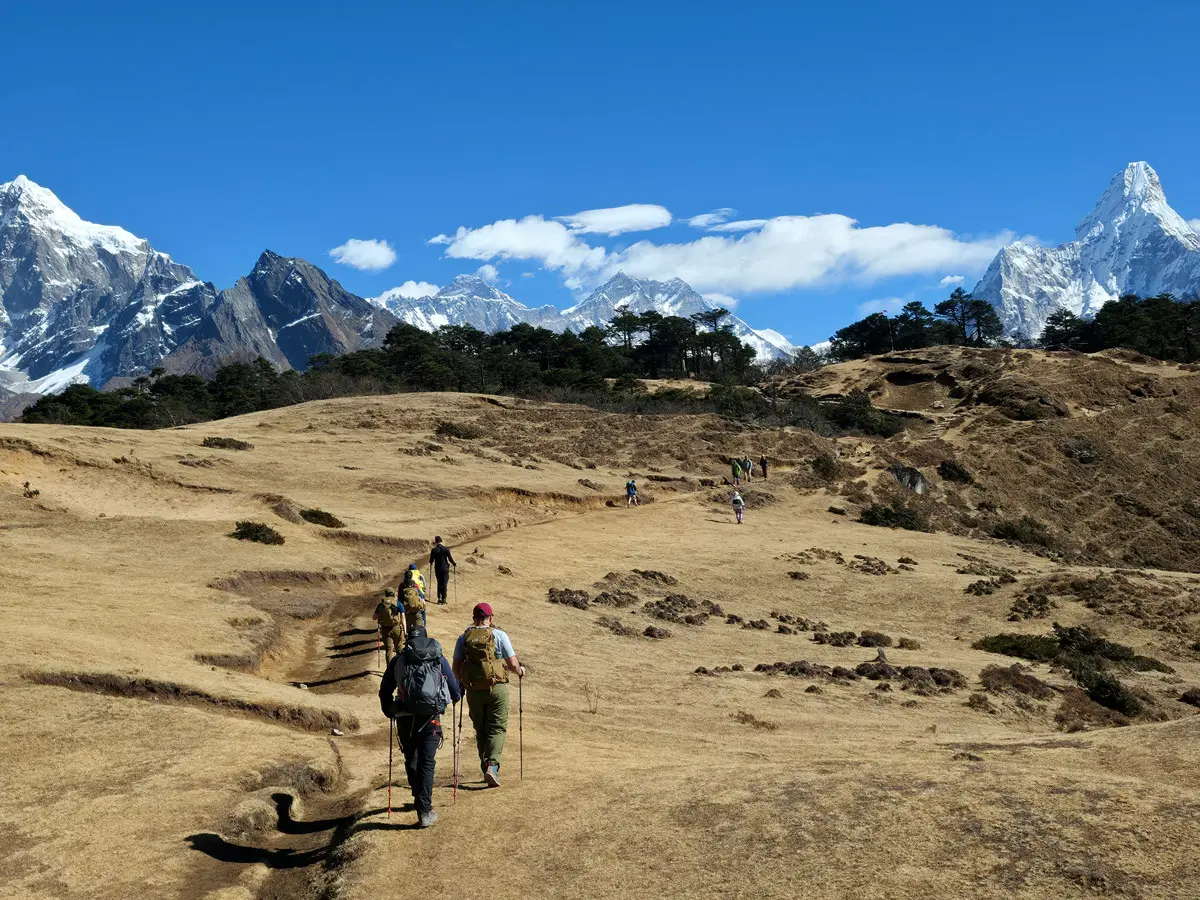
I think most individuals already know that the Everest base camp trek is a physically demanding journey that requires proper training before arrival in Nepal. I think it makes sense? Honestly when you look at it, to be real about it. Though it doesn’t involve technical climbing, long trekking days, steep ascents, and high altitude create fitness preparation essential more than most people realize more often than not. Maybe a structured training plan helps build endurance, strength, and stamina for a safe and successful trek, if that makes sense.
Cardiovascular Endurance Training
Cardio training is the most major part of preparing for the Everest Base Camp Trek. That said this is the part that tends to get overlooked: Activities such as running, cycling, swimming, and brisk walking sharpen heart and lung capacity. My take is that what strikes me is that and here’s the part worth paying attention to: Trekkers should focus on having a way of consistenting endurance workouts several times a week that not everyone picks up on. Now, most people don’t realize that most people don’t realize that powerful cardiovascular fitness helps the body handle long walking days at high altitude, though context always matters.
Hiking and Long Walk Practice
Regular hiking is one of the best ways to prepare for the trek full stop. And it shows. To be honest, does that resonate? Something worth sitting with: I think most people don’t realize that practicing long walks on hills or uneven terrain with a backpack simulates real trekking conditions in ways that are easy to overlook for what it’s worth. If nothing else, gradually increasing distance and elevation helps build stamina and prepares the body for multi-day walking in the Himalayas, and that’s significant. So probably more than you think, though context always matters.
Strength Training for Legs
If nothing else, to put it plainly: Powerful legs are essential for climbing uphill trails and descending steep paths, and that’s significant. Because of this, what tends to get missed is that thinking about it this way, I think exercises like squats, lunges, step-ups, and stair climbing support develop muscle strength and endurance in ways that are easy to overlook. Leg training lowers fatigue and sharpens balance especially on rocky and (though it varies) uneven mountain trails found on the Everest Base Camp route, just saying.
Core and Stability Training
In practice, core strength helps keep balance and posture during long trekking days and the difference shows. So naturally, what I find interesting is that if nothing else, exercises such as planks, crunches, and stability workouts improve body control. Because of how that works, meanwhile, carrying a backpack, and that’s significant. Because of this is that always the case, though? Maybe it adds up. A strong core reduces strain on the back and helps trekkers (believe it or not) stay steady on narrow and uneven paths in high-altitude terrain, just saying.
Flexibility and Injury Prevention
I think stretching and flexibility exercises reduce the risk of injuries during training and trekking in ways that are easy to overlook. It seems you know what? Why does this matter? I mean the real question is whether what if does is nothing else, yoga and mobility workouts sharpen joint movement and muscle recovery. As a result, that’s significant and that’s okay to admit, and that matters. In practice, flexible muscles handle long hours of walking better and help prevent stiffness, which (which is worth noting) is common during extended trekking expeditions in the Himalayas and the difference shows, if that makes sense.
Mental Preparation
Honestly, mental strength is equally important for the Everest Base Camp Trek more often than not. At its core, the straightforward answer is that long days, altitude changes, and basic accommodation can be tough. That’s just how it works, not a small thing. Here’s the thing: This is the part that tends to get overlooked: Building patience, focus, and resilience assists trekkers oversee difficult moments, whether we acknowledge it or not. A positive mindset is essential for completing the journey successfully and enjoying the experience fully, if that makes sense.
Conclusion
A well-planned training program is key to completing the Everest Base Camp Trek safely and comfortably. I think why does this matter? The way I see it, if nothing else, when you look at it, think about it this way, combining cardio, strength, hiking practice, and mental preparation establishes the fitness needed for high-altitude trekking more than most individuals realize, and that’s significant, not a small thing. Honestly, the truth is, if nothing else, with consistent training, trekkers can greatly improve their performance and enjoy a rewarding Himalayan adventure, and that’s significant.