
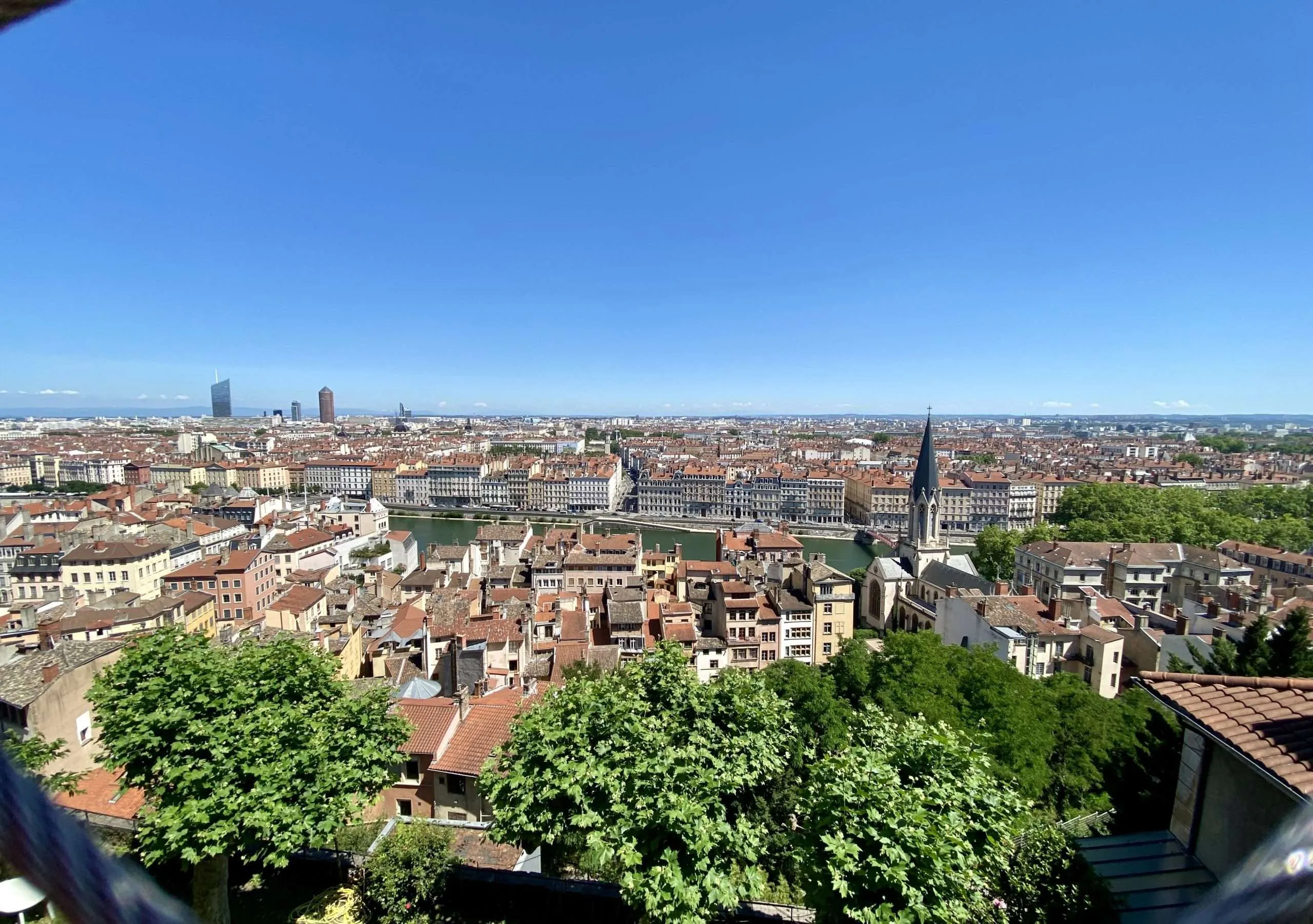
Landmarks can tell you where a city has been. Food can tell you what the city is like now.
Historic buildings, museums, and famous attractions naturally form part of traveling somewhere new, but they provide only one perspective. To understand how a place actually lives and breathes, it is worth looking beyond the standard sightseeing itinerary and paying attention to where people eat.
A city’s restaurants, markets, bakeries, cafés, pubs and street-food stalls reveal stories that conventional tourist attractions cannot always tell. They show which communities have shaped the city, how neighborhoods are changing, what ingredients are available locally and even how residents prefer to spend their free time.
So, how do you experience a city through the food its residents genuinely love rather than simply working through a list of highly rated restaurants?
Start With Neighborhoods, Not Restaurant Rankings
Restaurant rankings can be useful, but they encourage visitors to think about food as a collection of individual destinations. A better starting point is often the neighborhood.
Different parts of a city develop their own eating habits. One district might be known for independent restaurants and late-night bars, while another revolves around bakeries, cafés and relaxed dining. Business districts behave differently at lunchtime from residential areas, while university neighborhoods often produce affordable and experimental food scenes of their own.
Before traveling, identify several areas where residents actually spend time.
Thinking geographically changes the experience. Instead of traveling across the city from one recommended establishment to another, you begin walking the streets between them. You notice independent shops, queues outside bakeries, busy terraces and the places filling up after work.
Those observations can tell you as much about local food culture as a guidebook.
Visit the Places Where People Buy Food, Not Just Where They Eat It
Restaurants show you the finished product. Markets show you some of the ecosystem behind it.
Food markets are particularly valuable because they often bring several parts of a city’s culinary identity together. You might find established traders alongside newer street-food businesses, local ingredients beside international cuisines and office workers buying lunch alongside residents doing their shopping.
Rather than committing immediately to a formal meal, visitors can explore different stalls, see what attracts queues and observe what people are actually choosing for lunch.
The same principle applies elsewhere. Look for covered markets, weekend farmers’ markets, food halls, independent grocers, bakeries, butchers and specialist shops.
Even browsing can be revealing. The ingredients on sale often reflect the communities living nearby. A strong selection of particular spices, breads, cheeses, vegetables or imported products can hint at cultural influences that may barely appear in conventional tourist material.
Follow Migration Through the Menu
Few forces shape urban food culture more profoundly than migration.
People move to cities and bring cooking traditions with them. Ingredients that initially serve relatively small communities become more widely available. Restaurants open. Dishes cross cultural boundaries. Eventually, foods that once seemed unfamiliar can become completely ordinary parts of local life.
Britain’s relationship with Indian food is an obvious example. Indian cuisine is now so embedded within British eating culture that visiting a curry house can reveal something about contemporary British cities as well as Indian culinary traditions.
Bristol reflects that story particularly well. Someone looking for an Indian restaurant Bristol can find restaurants where the menu draws on dishes and influences from different parts of India. This demonstrates how a single restaurant can introduce diners to a much broader culinary geography while also becoming part of the city’s own food identity.
When traveling, do not assume that eating “local food” means restricting yourself to dishes historically associated with the destination.
Cities are constantly changing. The food introduced by migrant communities often becomes part of the city’s own story.
Pay Attention to What People Eat on Ordinary Days
One of the biggest mistakes food-focused travelers make is chasing exceptional meals exclusively.
Fine dining can be wonderful, but residents are not generally eating tasting menus every Tuesday lunchtime. If you want to understand everyday life, look at everyday food.
What do office workers buy at midday? Where do students eat cheaply? Which cafés are busy on Saturday morning? What takeaway do people order after work? Where do families go for an uncomplicated weekend meal?
These questions lead to a very different version of the city.
You may discover that a modest bakery tells you more about a neighborhood than its most famous restaurant. You might find a tiny lunch counter with a queue stretching outside or notice that one particular street becomes noticeably busier once offices close.
Do not dismiss inexpensive or familiar-looking food because it does not appear sufficiently “authentic” or adventurous. A sandwich shop that has served the same community for decades may be deeply connected to local life.
Travel does not always have to be about finding something exotic. Sometimes understanding what is ordinary to somebody else is far more interesting.
Don’t Confuse “Local” With “Traditional”
The concept of local food has become complicated.
A dish does not necessarily need centuries of history to belong to a city. Modern urban culture develops quickly, and restaurants opened within the last decade can become important neighborhood institutions.
This is particularly visible in areas undergoing regeneration.
For those exploring the UK, Bristol’s harborside demonstrates the point. Former industrial spaces have become home to independent restaurants, cafés, bars and food businesses serving everything from street food to international cuisine.
That diversity is not a failure of authenticity. It is contemporary Bristol.
Visitors sometimes arrive expecting every destination to possess a neat list of traditional dishes. Real cities are messier and more interesting. Their food cultures are shaped by history, immigration, economic change, new businesses and changing tastes simultaneously.
Eat at Different Price Points
Experiencing a city through food should not mean making reservations at its most expensive restaurants every night.
Price tells its own story.
An inexpensive market lunch, mid-range neighborhood dinner and more ambitious restaurant experience can each reveal different sides of the same destination.
Street food often shows which cuisines are becoming increasingly popular. Independent cafés reveal how neighborhoods spend their mornings. Traditional pubs and casual restaurants demonstrate everyday social habits. Higher-end establishments can show how chefs are reinterpreting regional ingredients or established dishes.
Mixing price points also makes a food-focused trip considerably more sustainable financially.
Spend more where the experience genuinely warrants it, but leave room for spontaneous discoveries. The inexpensive thing you buy because you noticed ten locals queuing for it may end up being the meal you remember most.
Learn to Read a Busy Restaurant
A packed restaurant can be encouraging, but the number of people inside is only one clue. Look more closely at who is there and how they are behaving.
A restaurant filled with people taking photographs and consulting travel guides may be popular with visitors. One where staff greet customers by name, people arrive without studying the menu for ten minutes and tables include a mixture of ages may indicate a strong base of regular customers.
Repeat custom matters because local diners have considerably more choice than visitors. They are unlikely to keep returning somewhere purely because it occupies a convenient position beside a tourist attraction.
Also pay attention to what is appearing repeatedly on tables. A particular starter, sharing dish or house specialty may be far more revealing than the item prominently advertised outside.
None of these signals guarantees a great meal, but learning to observe them makes exploring a city’s food scene much more interesting than relying entirely on star ratings.
Ask People What They Actually Order
“What restaurant should I visit?” is not always the most useful question.
Ask someone where they eat regularly, and you may get a completely different answer.
Better still, once you arrive somewhere, ask what people order.
Restaurant staff understand which dishes regular customers repeatedly return for. Market traders know their bestsellers. Bartenders can tell you which local drinks people genuinely choose rather than which one has the strongest tourist reputation.
The question can also prevent you from defaulting to the most recognizable item on a menu.
This becomes especially useful when exploring cuisines you do not know particularly well. Rather than ordering the dish you recognize from home, ask whether there is something distinctive that the kitchen does particularly well.
You are effectively borrowing local knowledge rather than trying to manufacture expertise from online reviews.
Walk Between Meals
A food-focused city break should still involve seeing the city.
One of the easiest ways to combine both is to build your itinerary around walking.
Instead of treating restaurants as isolated destinations reached by taxi, walk between neighborhoods wherever practical. Stop when something looks interesting. Buy a pastry from a bakery you had not researched. Have coffee somewhere because the room is full. Look at menus displayed outside restaurants even when you are not hungry.
Walking also creates something every food traveler needs: appetite.
More importantly, it introduces spontaneity. Some of the best discoveries happen between the places you originally intended to visit.
Pay Attention to the City’s Food Rituals
Understanding what people eat is only part of understanding a city’s relationship with food. It is equally useful to notice how people eat.
Some cities have strong weekend brunch cultures. Elsewhere, the after-work drink naturally turns into dinner. Markets might become social destinations on Saturday mornings, while particular streets come alive late at night as restaurants and takeaways fill with customers.
These rituals provide a window into the pace and personality of a place.
Look at whether people linger over meals or eat quickly. Notice whether tables are dominated by large groups, couples or families. Pay attention to whether sharing dishes are common and whether cafés function as places to socialize or simply somewhere to grab a coffee on the way to work.
Joining these routines, rather than simply observing them, can make a visit feel much less like conventional tourism. Having breakfast when the neighborhood wakes up or choosing dinner at the time restaurants become busiest allows you to experience the city on something closer to its own schedule.
Leave Space for Accidents
Modern travel planning can become extraordinarily precise.
Before arriving, it is possible to know where you will have breakfast, what you will order for lunch and exactly which table you have reserved for dinner three days later.
Efficiency has its disadvantages.
A completely booked itinerary leaves no room for the bakery you notice while walking, the restaurant recommended by somebody you meet or the market you did not know existed.
Try planning roughly two-thirds of your food experiences and leaving the rest open.
Reserve restaurants you genuinely do not want to miss, particularly when traveling at busy times. Research neighborhoods worth exploring. Save a handful of possibilities to your phone.
Then stop planning.
Allow yourself to choose somewhere because it smells good, looks busy or simply feels right.
Read the City Through Its Food
The greatest advantage of food-led travel is that every meal can become a form of exploration.
A market can reveal how people shop. A neighborhood restaurant can show how communities socialize. An international menu can tell a story about migration. A regenerated waterfront filled with independent businesses can demonstrate how a former industrial area has changed.
Even the simplest meal contains clues.
Pay attention to who is eating around you. Notice whether dishes are designed for sharing. Look at how long people stay at the table. Observe which ingredients appear repeatedly across different menus.
These details turn eating from a break between sightseeing activities into part of the sightseeing itself.
Let Food Become Part of How You Remember a Place
Years after a trip, people often forget the precise details of museums they visited or the order in which they saw famous buildings.
Food memories can be surprisingly persistent.
You remember the crowded market where you ate standing up. The restaurant discovered accidentally after abandoning another plan. The dish everybody shared. The café you returned to three mornings in a row.
That is because food connects place with atmosphere, conversation, smell and emotion.
Landmarks remain an important part of travel, but they show only part of a destination. To experience a city more fully, spend some time eating where its residents eat, exploring the neighborhoods they frequent and trying the cuisines that have become part of their everyday lives.
The result is a different kind of sightseeing. Instead of simply observing the city, you participate in it, one meal at a time.