
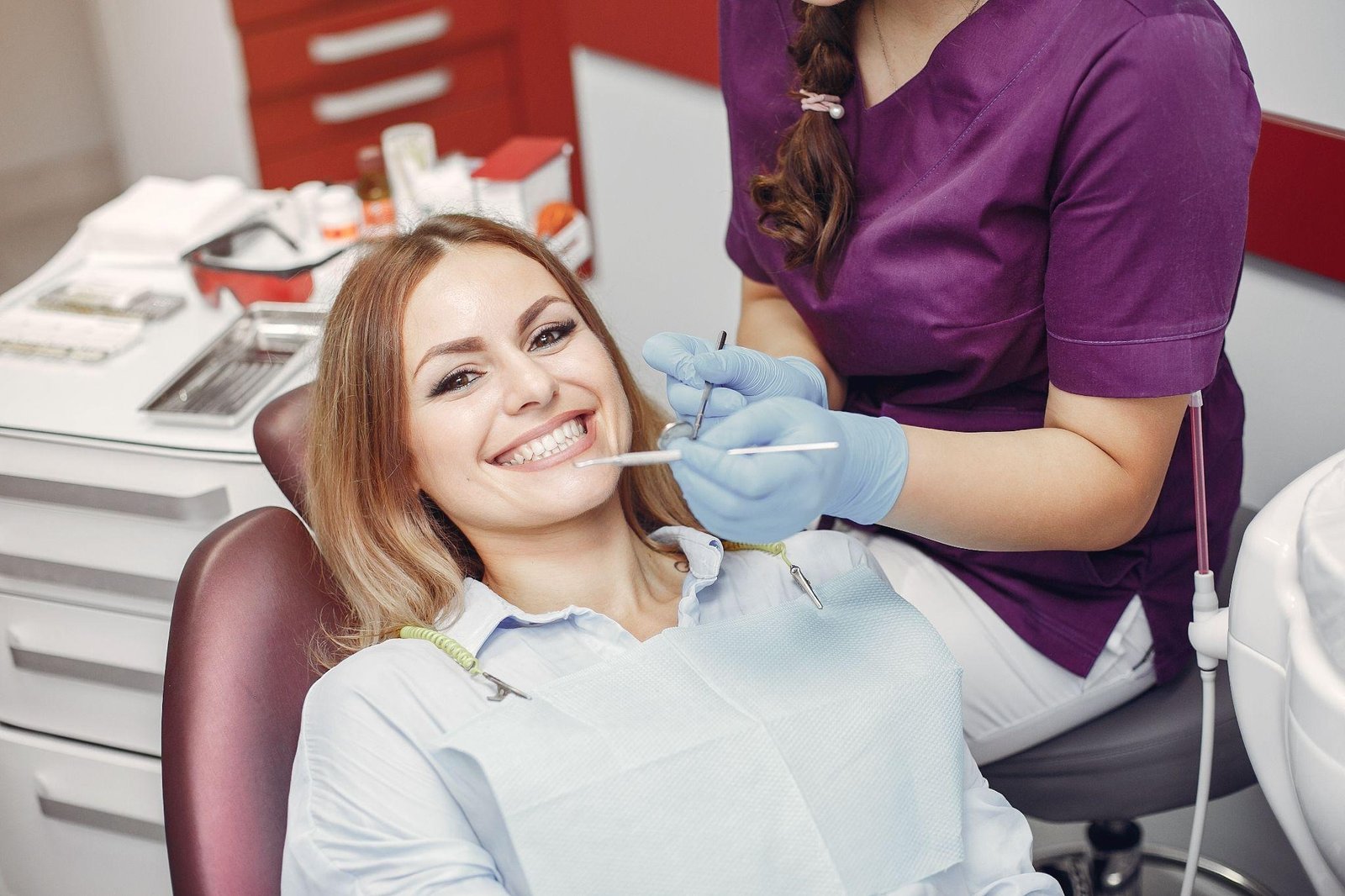
There’s a particular dental appointment that sits in most adults’ “I should really do that” category without ever quite making it into the diary. Not the check-up that one at least carries an external prompt. The hygienist visit. The appointment that would be straightforward if attended regularly, and becomes significantly more involved the longer it’s avoided. We looked at why this specific appointment attracts so much consistent avoidance, and what the evidence tells us happens as a result.
Andrew Lee Dental Practice in Lillington, Leamington Spa, lists hygiene appointments as a central part of its preventive care offering, with Caro Edmonds as its dedicated dental hygienist. The practice recommends six-monthly hygienist attendance alongside regular dental check-ups not as an optional extra but as a clinical priority. We looked at what supports that recommendation and why the avoidance of a dental hygienist in Warwickshire is more costly than most patients realise until the consequences have already arrived.
The Avoidance Logic and Why It Works Against the Patient
The most common reason we found for skipping a hygienist appointment wasn’t cost or inconvenience. It was embarrassment. People know their gums bleed or their cleaning routine has slipped, and they worry about being judged. Yet the longer they wait, the more involved professional cleaning can become.
That is why regular care matters. At Andrew Lee Dental Practice, Caro Edmonds is the practice’s dental hygienist, providing professional cleaning and supporting patients with ongoing gum health. For anyone considering a dental hygienist in Warwickshire, that kind of consistent preventive care can be easier to maintain than waiting until a problem becomes harder to ignore.
What Gum Recession Is Signalling
Most patients see gum recession as a cosmetic change: “my gums look lower than they used to.” But it can indicate deeper gum problems. As the tissue pulls away from the tooth, bacteria can collect around the root and, if left unmanaged, contribute to bone loss.
Regular hygiene appointments can help track these changes over time. A dental hygienist in Warwickshire can also help identify plaque buildup, bleeding and other early signs of gum disease. Andrew Lee Dental Practice highlights gum health as an important part of its preventive care, with professional hygiene appointments helping remove plaque and tartar that brushing alone cannot.
Why Persistent Bad Breath Is a Clinical Signal, Not a Lifestyle Problem
This is the part of the hygienist conversation that patients most actively avoid, and which clinicians sometimes sidestep out of consideration for patient comfort. Persistent bad breath that doesn’t respond to regular brushing is almost always a sign of bacterial accumulation in areas below the gumline that home cleaning cannot physically reach, regardless of how diligent the patient is about their routine. It is a clinical indicator, not a hygiene failure.
Professional scaling removes calculus, hardened deposits of plaque from above and below the gumline using specialist instruments that no consumer dental product replicates. The difference patients often notice in the days following a professional clean is not imagined. It reflects the removal of something that was genuinely present and genuinely inaccessible at home.
The Connection to Tooth Loss That Gets Underplayed
Periodontal disease the progressive condition that starts with gum inflammation, continues through recession and bone loss and can eventually lead to tooth loss develops slowly, often without significant pain until it is advanced.
By the time measurable bone loss appears on an X-ray, treatment options may already be more limited. Regular hygiene appointments can help identify changes earlier while a dental hygienist in Warwickshire can monitor gum health over time.
Andrew Lee Dental Practice also has specific expertise in gum health, making it relevant for patients whose concerns go beyond routine cleaning and need closer assessment.
What the Appointment Actually Involves
We found that describing the appointment plainly rather than relying on its importance to motivate people reduces avoidance more reliably than any clinical argument.
A routine appointment with a dental hygienist in Warwickshire involves
- professional removal of plaque and calculus from above and below the gumline,
- polishing of tooth surfaces,
- gum health assessment including pocket depth measurements and
- personalised advice on home routine.
For patients on a regular six-monthly schedule, discomfort is typically minimal. For patients returning after a longer gap, the first appointment is more involved which is honest and worth knowing but it is still the right thing to do rather than a reason to wait further.
The Conversation Worth Having Sooner
We came to the end of this research with a clear conclusion. The hygienist appointment most Warwickshire adults keep postponing is the most cost-effective preventive dental investment available to them. The embarrassment driving the avoidance is entirely understandable.
The case for overcoming it is very strong and the appointment itself rarely resembles the experience patients have built up in their imagination. For readers in Warwickshire who have been circling this booking, Andrew Lee Dental Practice in Lillington is one practice worth contacting, close enough to serve patients from across the area and structured around exactly the kind of consistent preventive care that keeps manageable problems from becoming significant ones.