
There is a moment at nearly every event when guests quietly decide how they feel about the occasion. It rarely happens during the speeches or once the music starts. More often, it happens within the first few minutes of walking into the room.
People notice the lighting, the spacing between tables, the atmosphere and, surprisingly often, the seating. Chairs may seem like a practical detail, yet they play a bigger role in shaping comfort and perception than many organisers realise. An otherwise beautiful venue can feel cold, cramped or oddly unfinished if the seating choice clashes with the tone of the event.
This is especially true at weddings, charity galas and corporate celebrations where guests spend several hours seated. Comfort matters, of course, but appearance matters just as much. The right seating arrangement creates flow and cohesion, helping the room feel intentional rather than improvised.
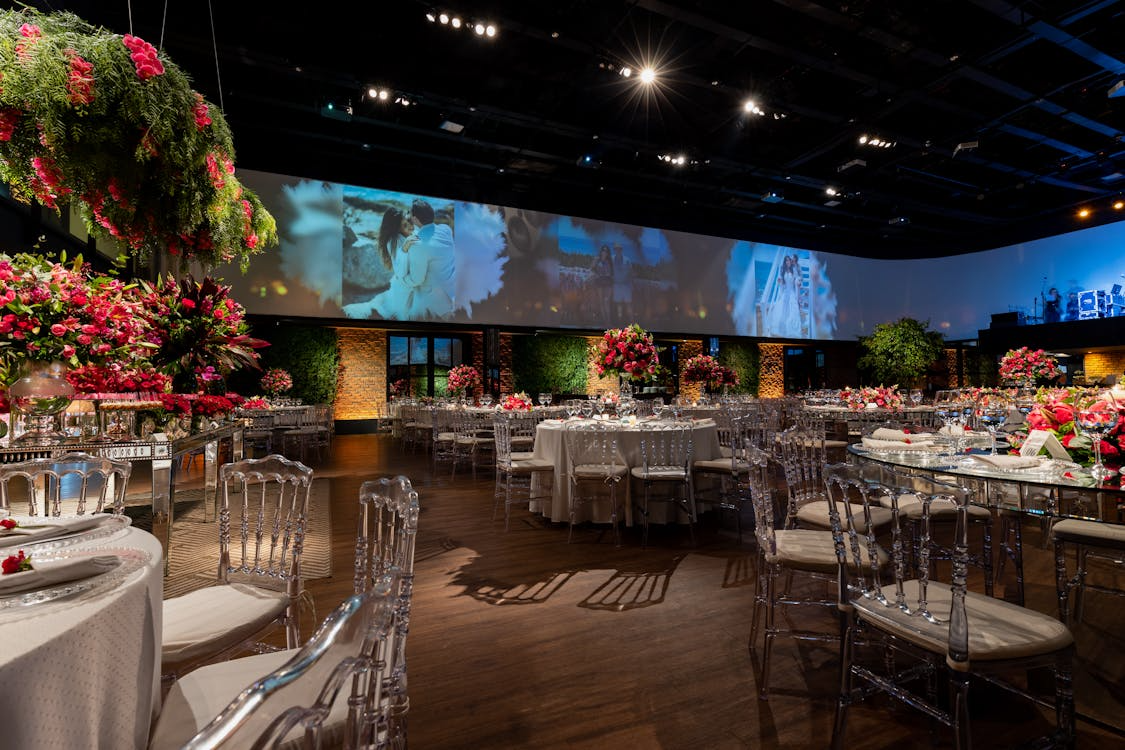
That is one reason why event planners across the UK continue to favour Chiavari chairs for occasions where elegance matters without becoming overly formal.
The hidden effect seating has on guest experience
When people think back on a memorable event, they rarely mention the furniture directly. Instead, they remember how the evening felt. Relaxed. Stylish. Welcoming. Sophisticated. Seating quietly contributes to all of that.
Bulky or mismatched chairs can make even a carefully designed venue feel visually heavy. They take up more space, interrupt sightlines and sometimes create a disconnected atmosphere between tables and décor. In venues with historic interiors or decorative features, the wrong seating can compete with the surroundings instead of complementing them.
Slim, balanced seating changes the dynamic entirely. Rooms appear more open, photographs feel cleaner and guests move around more naturally. This becomes particularly important at receptions where tables need to accommodate centrepieces, serving staff and conversation without feeling crowded.
Professional planners often speak about “visual rhythm” in event design. It is the idea that every detail should guide the eye smoothly through the room. Seating plays a surprisingly large part in this because chairs are repeated dozens, sometimes hundreds, of times throughout a venue. If they look awkward or overly functional, the entire room feels less refined.
Elegant seating also affects guest behaviour more than many hosts expect. Comfortable, well proportioned chairs encourage guests to stay engaged longer at the table. That can improve everything from dinner conversations to networking at corporate events.
Why timeless design continues to outperform trends
Event styling trends change constantly. One season favours minimalist neutrals, another leans into bold colours or dramatic textures. Yet some design elements continue to work year after year because they adapt naturally to different settings.
That versatility is one reason certain seating styles remain popular across luxury weddings, hotel banquets and high end private events. They suit both traditional and modern venues without overpowering the room.
Many planners prefer classic silhouettes because they photograph well in almost any lighting condition. Wedding photographers often mention that cleaner chair designs help maintain balance in wide shots, especially during ceremonies and reception entrances. Guests may never consciously notice it, but images feel more polished when the seating blends seamlessly into the setting.
There is also a practical side to timeless design. Event spaces frequently host completely different functions within the same week. A venue might transition from a black tie fundraiser on Friday to a countryside wedding on Saturday. Flexible seating options simplify that process considerably.
Another interesting detail is how seating influences perceived quality. Research within hospitality design consistently shows that guests associate coordinated interiors with better organisation and higher standards overall. Even if attendees cannot explain why a room feels premium, consistent visual details contribute to that impression.
This explains why experienced organisers often invest more attention into seating than first time hosts expect. Flowers and lighting may draw attention initially, but chairs remain part of the guest experience for the entire event.
Small details that make venues feel more luxurious
Luxury in event design rarely comes from one dramatic feature. More often, it comes from small details working together quietly.
Spacing between tables, fabric textures, candlelight placement and seating proportions all contribute to the atmosphere. The most successful venues understand that elegance feels effortless when every element complements the others naturally.
One detail often overlooked is how chairs interact with table styling. Heavy seating can visually overwhelm delicate floral arrangements or soft linen palettes. Lighter framed chairs allow centrepieces and decorative accents to remain the focus without making the room appear cluttered.
Colour choice matters too. Neutral finishes tend to work particularly well because they adapt to seasonal styling changes. Soft white, limewash and natural wood tones remain especially popular in the UK wedding market because they pair easily with both classic and contemporary décor schemes.
Venue size also influences seating decisions more than many people realise. In smaller event spaces, slimmer seating creates the illusion of openness and helps prevent the room from feeling overcrowded. In larger venues, coordinated seating helps maintain cohesion across expansive layouts.
There is also growing interest in sustainability within the events industry. Many planners now prefer reusable, durable seating options over trend driven alternatives designed for short term use. Quality furniture that remains stylish for years supports both environmental goals and long term event budgeting.
Perhaps most importantly, elegant seating allows hosts to create atmosphere without relying on excessive decoration. When the foundation of the room already feels polished, everything else becomes easier to style.
When guests remember how the evening felt
The most successful events rarely depend on extravagance alone. People remember warmth, comfort and the feeling that everything simply worked together naturally.
That feeling often comes from details guests barely notice consciously at the time. A thoughtfully arranged room encourages conversation, movement and connection without distraction. Seating becomes part of that invisible framework supporting the entire experience.
Hosts planning weddings, milestone celebrations or corporate gatherings often focus heavily on entertainment and catering, which is understandable. Yet the environment surrounding those moments shapes how guests experience them from beginning to end.
Well chosen seating helps create balance between elegance and comfort. It softens large venues, enhances photographs and allows décor choices to shine without competition. More importantly, it helps guests settle into the atmosphere quickly and enjoy the occasion without friction.
The best event spaces rarely feel overdesigned. They feel considered. That difference usually comes down to details handled with care long before the first guest arrives.