
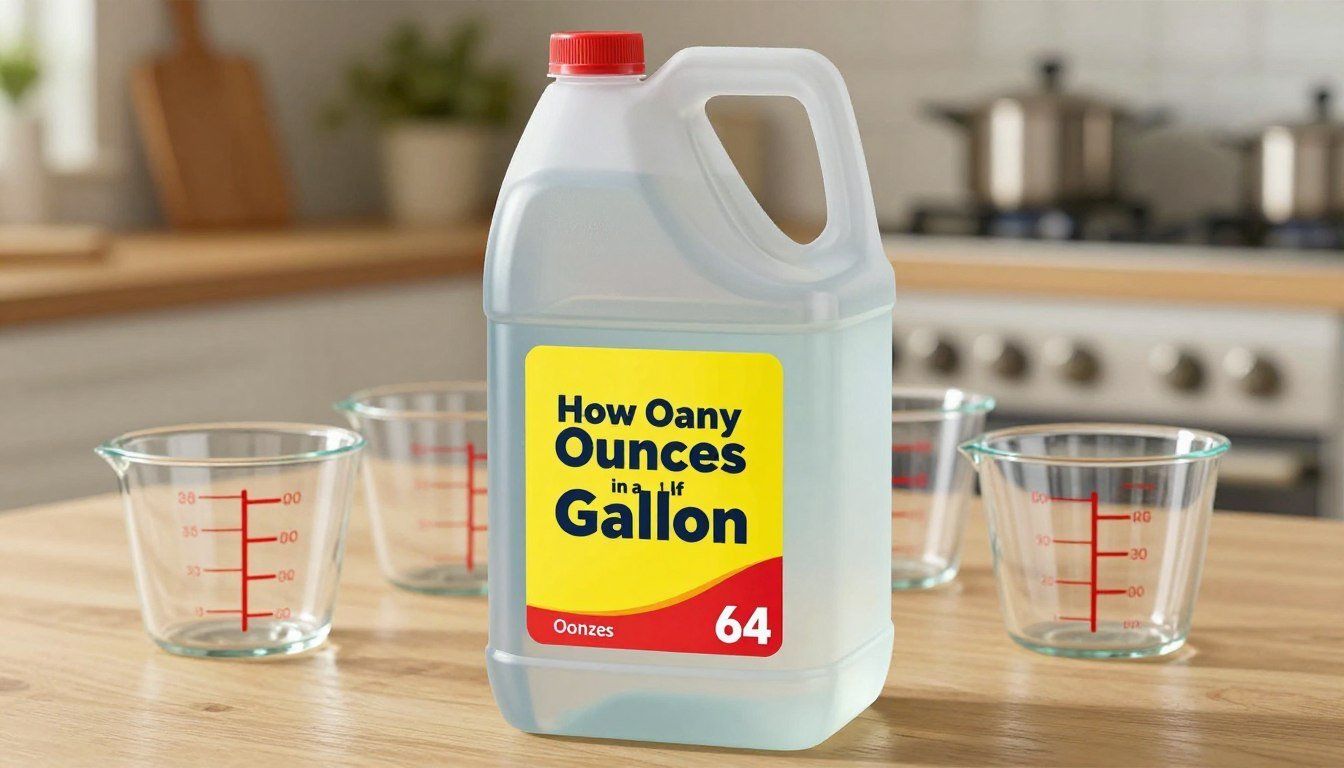
Ever found yourself in the kitchen, staring at a recipe, and wondering about liquid measurements? Figuring out how many ounces in a half gallon can be a hassle. That’s why I made this easy guide to help you cook with confidence.
I aim to be your go-to reliable resource for cooking. By the end of this, you’ll know your way around liquid volumes. This will make cooking faster and more enjoyable. Let’s get rid of the confusion and get back to cooking what you love.
Key Takeaways
- A standard half gallon contains exactly 64 fluid units.
- Understanding these basic conversions saves time during meal preparation.
- Consistent measurement leads to better results in your favorite recipes.
- You can easily scale your cooking by mastering these volume basics.
- Keep this guide handy for quick reference whenever you are in the kitchen.
Understanding the Basics of Liquid Measurement
When I started cooking, I learned that knowing liquid units was key. Mastering liquid measurement conversion is essential. It helps me avoid mistakes in the kitchen.
The Role of the US Customary System
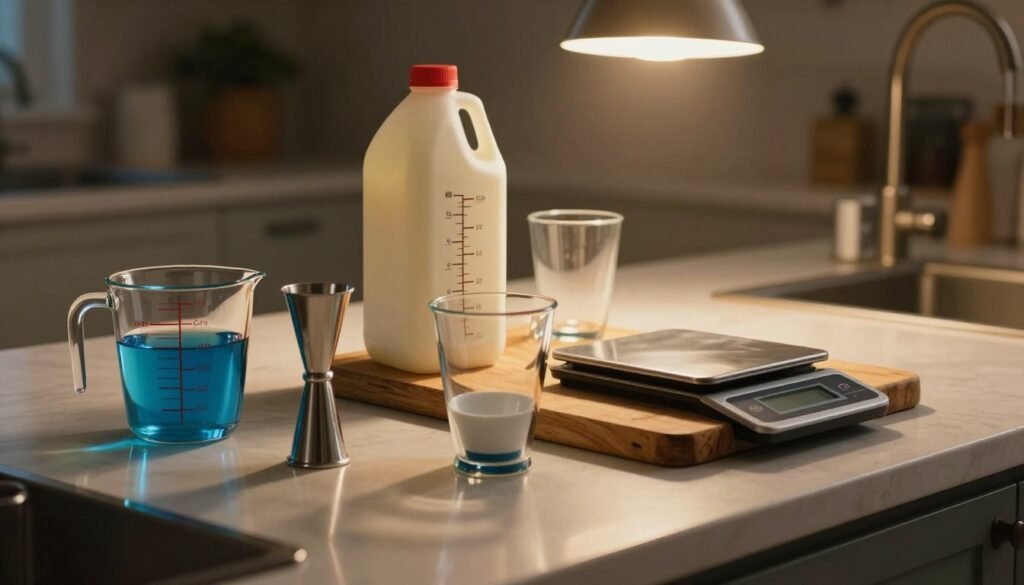
In the United States, we use the us customary system for volumes. This system is the basis for measuring everything from baking to cleaning. It’s how we talk about quantities in our daily lives.
Knowing this system makes cooking easier. Whether it’s for a cake or iced tea, the rules are the same. It makes my cooking time more efficient.
Why Accurate Conversions Matter in Daily Life
When working with liquids, precision is key. A small mistake in your ounce to gallon ratio can ruin a dish. I’ve learned to double-check my measurements to avoid waste and frustration.
Here’s why I focus on accuracy:
- Consistency: My recipes always come out right.
- Cost Savings: I save money by not wasting ingredients.
- Safety: Correct ratios are important for safety in mixing.
Understanding the us customary system makes me a better cook. I see liquid measurement conversion as a tool for success, not a chore. Once you get these ratios, your kitchen confidence will soar.
The Core Question: How Many Ounces in a Half Gallon
Many people find it hard to understand liquid volume. So, let’s get clear on how many ounces in a half gallon. It’s 64 fluid ounces. Knowing this is key for any kitchen task or drink making.
Breaking Down the Math Behind the Conversion
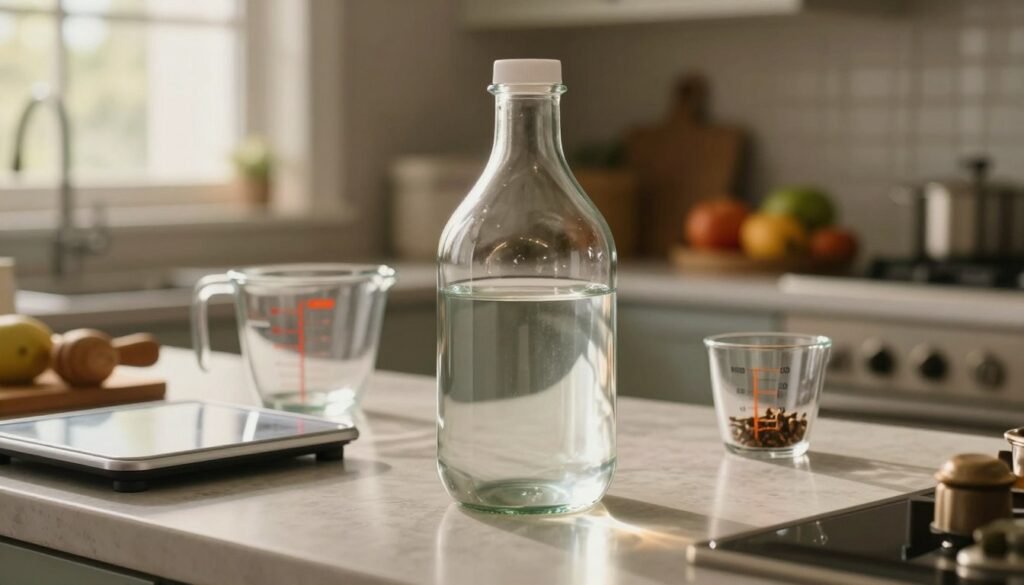
To get the half gallon to ounces conversion right, understand the US customary system. A gallon is 128 fluid ounces. So, half of that is 64 ounces.
Knowing the ounce to gallon ratio helps you adjust recipes easily. Whether it’s a big batch of lemonade or portioning milk, this ratio stays the same. Remembering these numbers helps avoid measuring errors.
| Unit of Measure | Equivalent in Ounces | Fraction of a Gallon |
|---|---|---|
| Gallon | 128 fl oz | 1 |
| Half Gallon | 64 fl oz | 1/2 |
| Quart | 32 fl oz | 1/4 |
| Pint | 16 fl oz | 1/8 |
Fluid Ounces Versus Dry Ounces
It’s important to know the difference between fluid ounces in half gallon and dry ounces. Fluid ounces measure volume, or how much space a liquid takes up. Dry ounces measure weight, or how heavy something is.
“Volume and weight are not interchangeable, as the density of ingredients varies significantly.”
Using weight for liquids in a recipe can lead to failure. Always use a liquid measuring cup for accurate volume. Precision is essential for consistent results in cooking.
Standardizing Liquid Volume in the Kitchen
Breaking down large containers into smaller units makes it easier to visualize volume. Mastering a reliable liquid measurement conversion process is key to perfect recipes. Knowing how different containers relate helps avoid kitchen mistakes.
Comparing Half Gallons to Quarts and Pints
To understand fluid ounces in half gallon containers, compare them to smaller units. A half gallon equals two quarts or four pints. This makes it easy to see the total volume without guessing.
Using a volume conversion chart is great for keeping these relationships handy while cooking. Knowing one quart equals 32 fluid ounces makes calculating half gallon totals easy. This confidence lets you adjust recipes with ease.
Common Kitchen Tools for Measuring Liquids
I use essential tools for consistent measurements. Clear glass or plastic measuring cups with clear markings are my favorites. They let me see the meniscus, ensuring accurate measurements every time.
Using Measuring Cups Effectively
When using measuring cups, I place them on a flat surface before pouring. Precision is key, so I check the liquid level at eye level. This habit avoids common errors from angled views.
The Importance of Leveling Your Measurements
Leveling is critical for thick ingredients like honey or heavy cream. I use a flat edge to ensure exact volume. These extra seconds make a big difference in dish texture.
| Unit | Fluid Ounces | Cups |
|---|---|---|
| Pint | 16 oz | 2 cups |
| Quart | 32 oz | 4 cups |
| Half Gallon | 64 oz | 8 cups |
Recent Trends in Home Cooking and Beverage Preparation
I’ve seen a big change in how we make drinks at home. Now, we’re making more at once, not just for one. This isn’t just about saving time. It’s about mastering the flow of your kitchen when it’s busy.
The Rise of Batch Beverage Making
Batch making drinks is now a must for anyone who loves to host. Whether it’s a big pitcher of iced tea or a special cocktail, getting the right amount is key. Consistency is the key to making sure every drink tastes the same.
Making drinks in bulk saves time and reduces stress. To keep your drinks perfect, try these tips:
- Always measure your base liquids using a clear, graduated pitcher.
- Keep a conversion chart handy to avoid mental math errors under pressure.
- Use high-quality ingredients to maintain the integrity of your flavor profile.
- Chill your serving vessels in advance to keep the batch cold for longer.
How Professional Chefs Approach Volume Conversions
Professional chefs think about volume conversions in a very systematic way. They don’t guess; they use tools that ensure accuracy. By using these expert methods, you can easily make more of your favorite drinks without losing quality.
Chefs use big containers to keep everything uniform. They know that scaling up requires careful attention to ratios, like with fresh juices or syrups. By treating your kitchen like a pro’s, you can confidently serve drinks to any crowd.
Common Pitfalls When Converting Half Gallon to Ounces
Getting precise in the kitchen is more than just math. The half gallon to ounces conversion looks simple, but real-world use can be tricky. It’s the small details that make a cook great.
Avoiding Errors with Different Measuring Containers
Using the wrong measuring tools is a common mistake. Not all containers are the same. A tall, narrow container is better than a wide, shallow one because it’s easier to read.
Also, check if your measuring tools are accurate. Even with a 1/2 gallon to ounces calculator, wrong tools can mess up your results. Test your containers with a digital scale to make sure they’re right.
The Impact of Temperature on Liquid Volume
Liquids change volume with temperature. Heating or cooling them can change their size. This is important for big batches of ingredients.
For recipes needing exact ratios, measure liquids at room temperature. Consistency is key for a great dish. Knowing these issues helps keep your measurements right, no matter what.
Mastering the half gallon to ounces conversion is more than math. It’s about knowing your ingredients and tools. With a little extra effort, you can get pro-level accuracy at home.
Practical Applications for Your New Knowledge
Understanding volume is a game changer for big parties or stocking your pantry. It simplifies your daily life and event planning. You’ll move through kitchen tasks with total confidence.
Scaling Recipes for Large Gatherings
Preparing drinks for a crowd can be overwhelming. A 1/2 gallon to ounces calculator makes it easy. You’ll know exactly how many servings you can make.
This way, you can focus on the fun parts of hosting. Adjusting your recipes ensures every guest has a full glass. Preparation is the secret ingredient to a successful gathering.
Managing Bulk Liquid Purchases
Shopping in bulk saves money, but it needs quick math. A volume conversion chart on your phone or pantry door helps. You’ll never guess if you have enough milk or juice again.
Knowing the exact volume of bulk items helps you shop better. You can compare prices per ounce to find the best value for your budget. Mastering these details makes a big difference in your daily routine.
Conclusion
Knowing that a half gallon is 64 fluid ounces changes how you cook at home. This basic fact is key for every recipe you try. Now, you can handle liquid amounts with ease.
This guide should help you try new drinks or make big batches of food. Being precise in the kitchen means better food and less waste. You can count on these measurements with your Pyrex or a big jug of milk.
Remember this for your next grocery run or big family event. Share your best tips or tricks with friends. Starting to feel more confident in cooking is just a few steps away.
You May Also Read: UK Headlines