
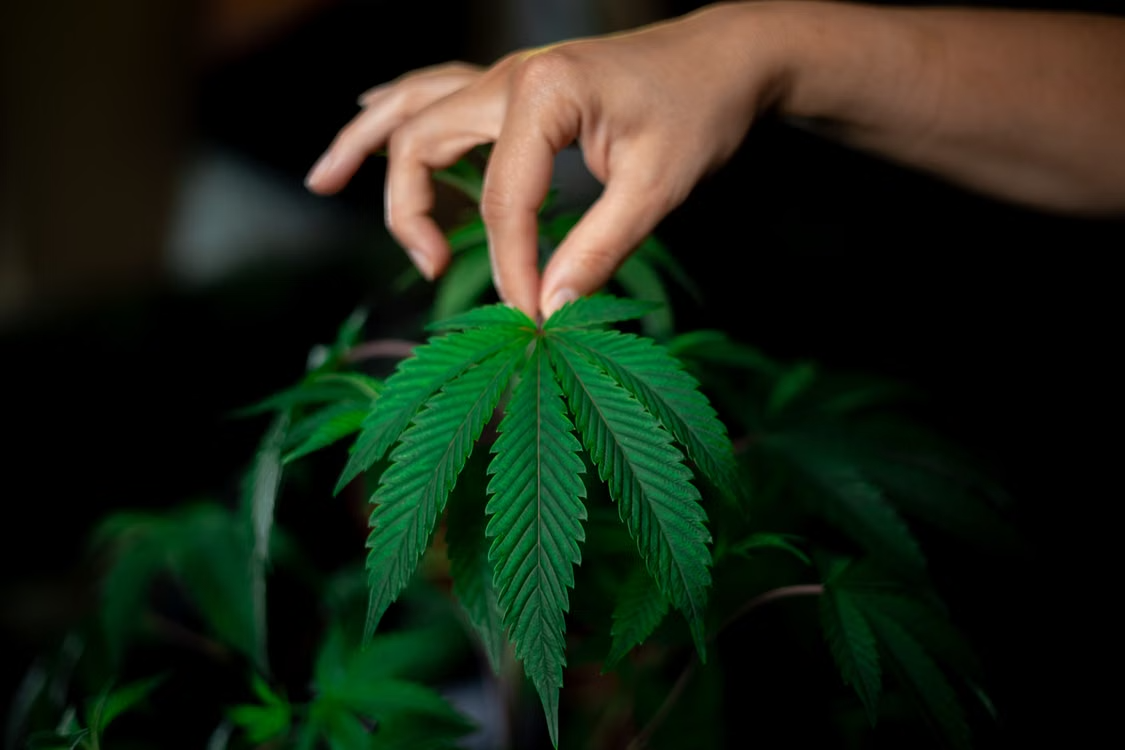
Growing cannabis legally requires understanding both the agricultural fundamentals and the regulatory landscape that governs this emerging industry. Cannabis farming has evolved from an underground operation into a legitimate agricultural sector in jurisdictions where it is permitted, complete with licensing requirements, quality standards, and professional expectations. For individuals considering entry into this field, the path involves significant planning, investment, and commitment to compliance. This article explores what cannabis farming entails and the practical steps needed to launch a legitimate operation.
Understanding the Role of a Cannabis Farmer
A cannabis farmer operates within a specialized niche of agriculture that combines traditional growing knowledge with strict regulatory adherence and market awareness. Unlike conventional crop farming, cannabis cultivation requires attention to plant genetics, environmental controls, pest management, and potency testing to meet consumer and legal standards. Farmers must develop expertise in understanding the differences between cannabis strains, recognizing optimal growing conditions for different phenotypes, and managing the entire lifecycle from seedling to harvest.
The role also extends beyond the greenhouse or outdoor field and encompasses inventory tracking, batch documentation, waste disposal procedures, and compliance record keeping. Many successful operations employ agronomists, laboratory technicians, and compliance officers to maintain standards and meet regulatory requirements.
Researching Local Laws and Regulations
Before investing time or capital into cannabis farming, potential growers must thoroughly investigate the legal framework in their jurisdiction. Cannabis regulations vary significantly by state, province, and even local municipality, with some areas offering recreational licenses, others permitting only medical cultivation, and many prohibiting it entirely.
Each regulatory environment specifies details such as the maximum number of plants allowed, the facility type required, mandatory security measures, and testing protocols that harvested product must pass. Some jurisdictions mandate that license applicants demonstrate prior business experience, maintain certain financial reserves, or secure local municipal approval before applying for a state or provincial license. Consulting with an attorney experienced in cannabis law and reviewing the specific regulatory code for your area is essential before proceeding.
This research phase can reveal whether cannabis farming is legally accessible and what prerequisites must be fulfilled.
Obtaining the Necessary Licenses and Permits
The licensing process for cannabis cultivation is typically rigorous and time intensive, requiring applicants to submit detailed operational plans and pass background checks. Most regulated markets require a cultivation license, granted only after reviewing facility design, security protocols, employee qualifications, and waste management procedures.
The application process often includes a non-refundable fee ranging from several thousand dollars to tens of thousands of dollars, depending on the jurisdiction. Applicants may also need to obtain local land-use permits, building permits, and environmental clearances before a cultivation facility can legally operate.
The timeline from application submission to license approval can extend months or even years in competitive markets where demand exceeds available licenses. Once approved, licenses typically require annual or biennial renewal, with renewal applications subject to background checks and compliance audits.
Securing Appropriate Facilities and Equipment
Choosing the right growing facility is a foundational decision that affects crop quality, operational costs, and regulatory compliance. Cannabis farmers can select between outdoor cultivation in natural sunlight, greenhouse operations that provide partial environmental control, or indoor facilities with complete climate management.
Indoor operations allow precise control over temperature, humidity, light cycles, and carbon dioxide levels, resulting in consistent potency and faster flowering cycles. However, indoor growing requires substantial equipment investment, including LED grow lights, climate control systems, irrigation infrastructure, and backup power generation, along with significant ongoing electricity costs.
Outdoor and greenhouse operations carry lower equipment and energy expenses but introduce variables such as unpredictable weather and shorter growing seasons in temperate climates. Regardless of facility type, cannabis farmers must install security cameras, secure storage areas for harvested product, and equipment for quality testing. Budgets should also account for maintenance and upgrades across multiple growing cycles.
Starting Your Operation and Managing Growth
Beginning a cannabis farming operation requires careful planning of initial cultivation cycles, including decisions about which strains to grow and how many plants to cultivate within the licensed limit. Many new farmers start with fewer plants than their license allows, using early grows as learning opportunities to refine techniques and identify which strains perform best in a given facility.
Tracking detailed information about each crop through every stage provides essential data for optimizing future harvests and maintaining regulatory compliance. Farmers sourcing genetics for a new operation who need stable, consistent cultivars often rely on regulated weed seeds from reputable breeders to ensure predictable phenotypes and reliable yields across growing cycles.
Building a dependable team is equally important, as scaling cannabis cultivation requires knowledge spanning plant biology, facility maintenance, inventory management, and regulatory documentation.
As an operation matures, farmers can expand plant counts, diversify strain portfolios, and develop premium products that command higher market prices. Adjacent opportunities, such as processing harvested product, training other growers, or consulting on facility design for new operations, can also emerge as experience accumulates.
Conclusion
Becoming a cannabis farmer is a multifaceted endeavor that blends agriculture, business development, and regulatory navigation. The path to starting a legal cannabis cultivation operation begins with understanding local regulations, securing appropriate licensing, and investing in suitable growing facilities and equipment.
Success requires ongoing learning about plant cultivation techniques, meticulous compliance record keeping, and adaptability to both market demands and regulatory changes. For individuals in jurisdictions where cannabis farming is legal, the opportunity offers financial potential and the satisfaction of building an agricultural enterprise in an emerging industry.
Researching requirements thoroughly, planning operations carefully, and assembling a knowledgeable team before launching significantly increases the likelihood of establishing a sustainable cannabis farming business.