
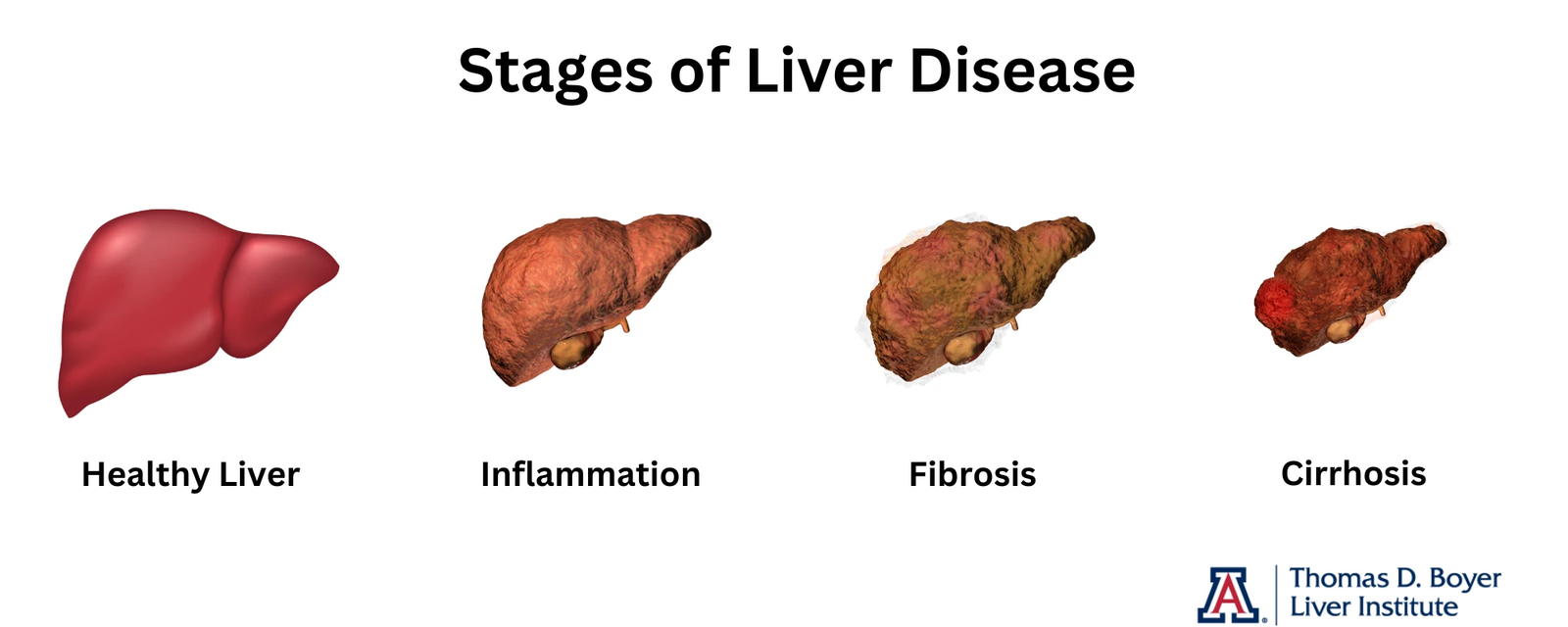
Introduction: Understanding Cirrhosis of the Liver
Cirrhosis is a long-term condition where healthy liver tissue is gradually replaced by scar tissue, reducing the liver’s ability to function properly. It often develops silently over many years before symptoms become noticeable. Understanding liver damage early is essential for prevention, timely treatment, and improving long-term health outcomes.
When people search what are the 4 stages of cirrhosis of the liver? they are usually trying to understand how mild liver issues progress into severe disease. This progression helps patients and doctors identify how advanced the condition is and what treatment options may still be effective.
What is Cirrhosis of the Liver?
Cirrhosis of the liver is the final stage of chronic liver disease, where permanent scarring replaces healthy tissue. This damage prevents the liver from performing essential functions such as detoxification, digestion support, and nutrient storage. It is often caused by long-term alcohol use, hepatitis infections, or fatty liver disease.
Understanding what are the 4 stages of cirrhosis of the liver? helps explain how liver health deteriorates over time. The condition does not happen overnight; instead, it develops through gradual stages that may initially show few or no symptoms.
Stage 1: Initial Liver Inflammation
In the first stage, the liver becomes inflamed due to harmful substances like alcohol, viruses, or fat accumulation. This stage is often called steatosis, and it may not produce obvious symptoms, making it easy to overlook. However, internal damage is already beginning.
When asking what are the 4 stages of cirrhosis of the liver?, stage one is the most reversible phase. With lifestyle changes and medical support, the liver can often recover before permanent scarring develops, making early detection extremely important.
Stage 2: Liver Fibrosis
Stage two involves the formation of scar tissue, known as fibrosis. At this point, the liver begins to lose efficiency, although it may still function relatively well. Damage continues silently, and symptoms remain mild or vague, such as tiredness or discomfort in the upper abdomen.
Understanding what are the 4 stages of cirrhosis of the liver? highlights that fibrosis is a critical warning stage. If untreated, it can progress into more severe and irreversible liver damage, emphasising the need for early medical intervention.
Stage 3: Compensated Cirrhosis
In stage three, the liver has developed significant scarring and is now classified as cirrhosis. However, it is still able to function, which is why it is called compensated cirrhosis. Patients may begin experiencing symptoms like fatigue, weight loss, or mild jaundice.
When discussing what are the 4 stages of cirrhosis of the liver?, this stage is particularly important because symptoms become more noticeable. Despite this, the liver still compensates for damage, meaning serious complications may not yet be fully apparent.
Stage 4: Decompensated Cirrhosis
Stage four is the most severe form of liver disease, where the liver can no longer perform its essential functions. This stage often includes complications such as fluid buildup in the abdomen, confusion, bleeding issues, and severe jaundice.
Anyone researching what are the 4 stages of cirrhosis of the liver? should understand that stage four is life-threatening. At this point, medical intervention, including liver transplant evaluation, becomes necessary for survival and quality of life improvement.
Causes and Risk Factors
Cirrhosis develops due to long-term liver damage caused by several factors. Chronic alcohol consumption, hepatitis B and C infections, and non-alcoholic fatty liver disease are among the most common causes. Lifestyle and genetic factors also play an important role.
Knowing what are the 4 stages of cirrhosis of the liver? also involves understanding what triggers the disease. Obesity, poor diet, and unmanaged diabetes can significantly increase the risk of liver damage progression over time.
Diagnosis and Medical Testing
Doctors use a combination of blood tests, imaging scans, and sometimes liver biopsy to diagnose cirrhosis. These tests help determine how much damage has occurred and what stage the disease has reached.
When people ask what are the 4 stages of cirrhosis of the liver?, diagnosis is a key step in answering that question. Accurate staging allows healthcare professionals to recommend appropriate treatments and monitor disease progression effectively.
Treatment and Management
Treatment depends on the stage of liver damage. In early stages, lifestyle changes such as stopping alcohol intake, improving diet, and treating underlying infections can slow or reverse damage. Medications may also be used to manage symptoms.
In advanced cases, especially when considering what are the 4 stages of cirrhosis of the liver?, treatment focuses on managing complications and improving quality of life. In severe situations, liver transplantation may be the only effective option.
Conclusion
Understanding what are the 4 stages of cirrhosis of the liver? is essential for recognising how liver disease progresses from mild inflammation to severe failure. Each stage represents increasing levels of damage, but early detection can significantly improve outcomes.
By identifying symptoms early and making necessary lifestyle changes, individuals can slow disease progression. Awareness and timely medical care remain the most powerful tools in protecting long-term liver health and preventing life-threatening complications.
You have not enough Humanizer words left. Upgrade your Surfer plan.
At least 2 paragraphs, and use h2 handing in all handing, and each paragraph 60+ to 80+ words. Fully SEO-Optiimzed and unique article. at least a 700 to 1500 words article. Please write in an informative tone, creative writing style, and uk English language. and creat a article fast
You May Also Read:Why is my dog panting so much while doing nothing?