
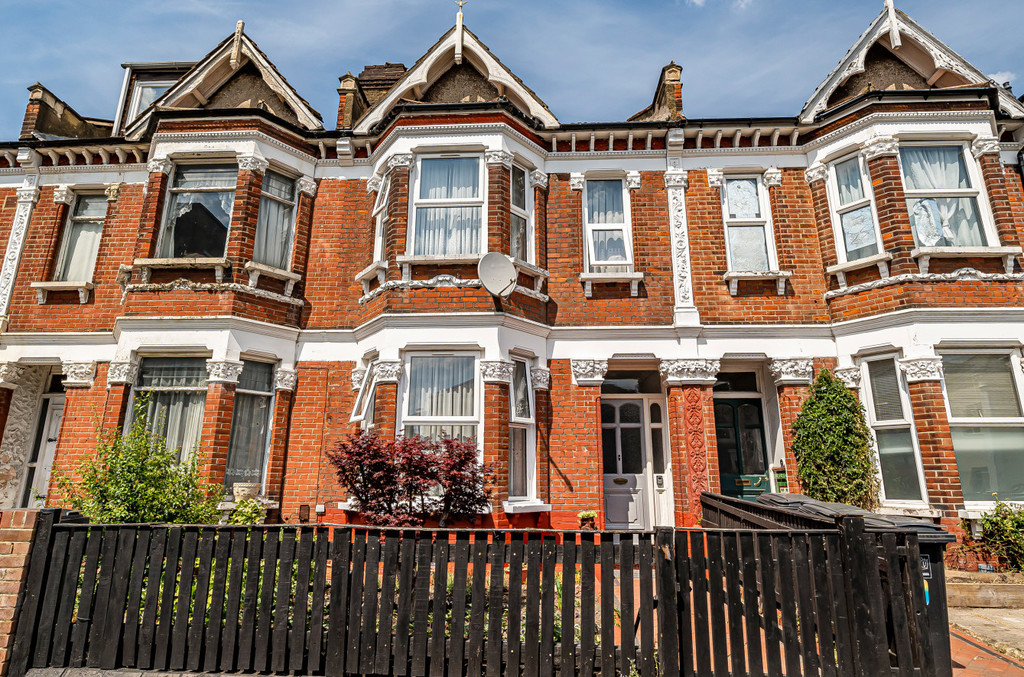
Lewisham offers a varied property market in a well-connected part of south-east London. Period terraces, converted flats, purpose-built apartments, family houses and modern developments serve different budgets, but one headline price cannot describe every home.
Demand can change between neighbouring streets and property types. Access to rail or DLR services, outside space, school preferences, parking, condition and tenure can all influence a buyer’s decision. Sellers therefore need to understand not only the wider market but also how their property compares with the homes buyers are viewing at the same time.
Speaking with Lewisham property experts can help movers interpret these differences before making a major decision. Buyers benefit from a clearer comparison of locations and property types, while sellers can base their asking price and marketing strategy on current local evidence rather than an automated estimate alone.
The latest Office for National Statistics data recorded an average Lewisham house price of £497,000 in May 2026, up 2.3% from the previous year. London’s average fell by 3.7% over the same period. Within Lewisham, semi-detached values rose by 5.1%, while flats and maisonettes remained broadly stable. These differences show why buyers and sellers should look beyond the borough-wide average.
Why the local market varies
Lewisham is made up of neighbourhoods with different housing, transport options and local amenities. A modern apartment close to Lewisham station will appeal to a different audience from a period family home on a quieter residential road. Even properties with the same number of bedrooms can achieve different results because of layout, condition, outside space or immediate surroundings.
Supply also affects pricing. Several similar listings give buyers more choice, while a family house in a road with limited stock may attract stronger competition. Current listings, agreed sales and completed transactions therefore need to be considered together.
Market data should be treated as context rather than a valuation. Official figures are based on completed sales and therefore reflect transactions agreed months earlier. They are valuable for identifying wider patterns, but they cannot capture the response to a particular property coming to market today.
What buyers should decide first
Buyers should establish a realistic total budget before viewing. Alongside the purchase price, they should consider mortgage fees, legal work, surveys, removals, insurance and immediate repairs. Leasehold buyers must also account for ongoing charges.
The search should then be shaped around practical priorities. Commuters may focus on access to Lewisham station, the DLR or nearby rail services, while families may place greater importance on space, schools and parks. Buyers working from home may prefer an additional room or flexible layout rather than the shortest possible journey into central London.
Visiting a shortlisted street at different times can reveal changes in traffic, parking, noise and activity. Testing the commute and walking to essential amenities shows whether the location works in practice.
Compare property types carefully
Period houses and conversions can offer character and generous proportions, but buyers should consider roofs, windows, brickwork, electrics and plumbing. Previous extensions or alterations should have the appropriate paperwork where required.
Modern developments may offer efficient layouts, lifts, balconies or communal facilities. However, buyers need to understand service charges, management arrangements, planned works and any restrictions affecting the property. Newer does not automatically mean lower overall costs.
Leasehold buyers should review the remaining term, service-charge history, reserve fund, ground rent provisions and management information. A mortgage valuation is for the lender, so an independent survey may still be needed.
Look at the market over time
Short-term price movements can attract attention, but a home is usually a long-term commitment. Buyers should consider whether the property can support their likely needs, while sellers should avoid making decisions based on a single monthly change.
For broader historical context, this review of south-east London house price changes since 2015 helps illustrate the value of looking at market movement over a longer period. Historical growth does not guarantee future performance, but it can help movers understand how the area has changed.
Current affordability remains equally important. Official figures put the average price paid by first-time buyers in Lewisham at £439,000 in May 2026, compared with £615,000 for home movers. These averages cover many property types, but they show why buyers need a firm budget and realistic expectations before beginning their search.
How sellers should approach pricing
An effective asking price should attract qualified buyers without undervaluing the home. Pricing substantially above comparable properties can reduce enquiries during the important first weeks of marketing. Repeated reductions may then make buyers question why the property has remained available.
A valuation should examine recent completed sales, properties under offer and competing homes currently available. Adjustments may be necessary for floor area, condition, layout, tenure, outside space, parking and road position. A refurbished home may justify a premium, but that premium still needs to make sense within the buyer’s alternatives.
Price is not the only consideration. The preferred completion date, onward purchase and length of the chain can affect which offer is most suitable. Sharing these priorities early supports clearer negotiation.
Prepare the property and paperwork
Good presentation should make a home easier to understand. Cleaning, decluttering, completing minor repairs and improving lighting can increase confidence without requiring expensive refurbishment. Rooms should have a clear purpose, and gardens, balconies, entrances and communal areas should receive the same attention as the interior.
Photographs, the floor plan and description should work together. Marketing should focus on specific benefits such as natural light, storage, outside space, flexible rooms or transport access. Tenure, lease length and relevant charges should be presented accurately rather than left for buyers to discover later.
Sellers can reduce delays by gathering the Energy Performance Certificate, title details, approvals, warranties and electrical certificates early. Leasehold sellers may also need service-charge statements, insurance information and a management pack.
Assess offers as complete proposals
The highest offer is not always the strongest. Sellers should understand whether a buyer has a related sale, the length of their chain, their mortgage position, deposit and preferred timescale. A slightly lower offer from a prepared buyer may sometimes provide greater certainty than a higher offer with unresolved complications.
Buyers can strengthen their position by having a mortgage agreement in principle, appointing a solicitor promptly and explaining any flexibility over dates. Offers should remain subject to the appropriate survey and legal checks, but clear preparation gives sellers more confidence in the buyer’s ability to proceed.
Plan for the whole transaction
An accepted offer begins the legal and financial process. Buyers and sellers should return forms promptly and respond quickly when information is requested. The estate agent can maintain communication among solicitors, mortgage advisers, surveyors and other agents in the chain, although professional advice must come from the appropriate specialists.
Understanding the Lewisham property market means combining current data with the details of the individual home. Buyers need to compare locations, property types, costs and future suitability. Sellers need evidence-based pricing, accurate marketing and qualified offers. With these elements in place, both sides can move forward with clearer expectations and greater confidence.