
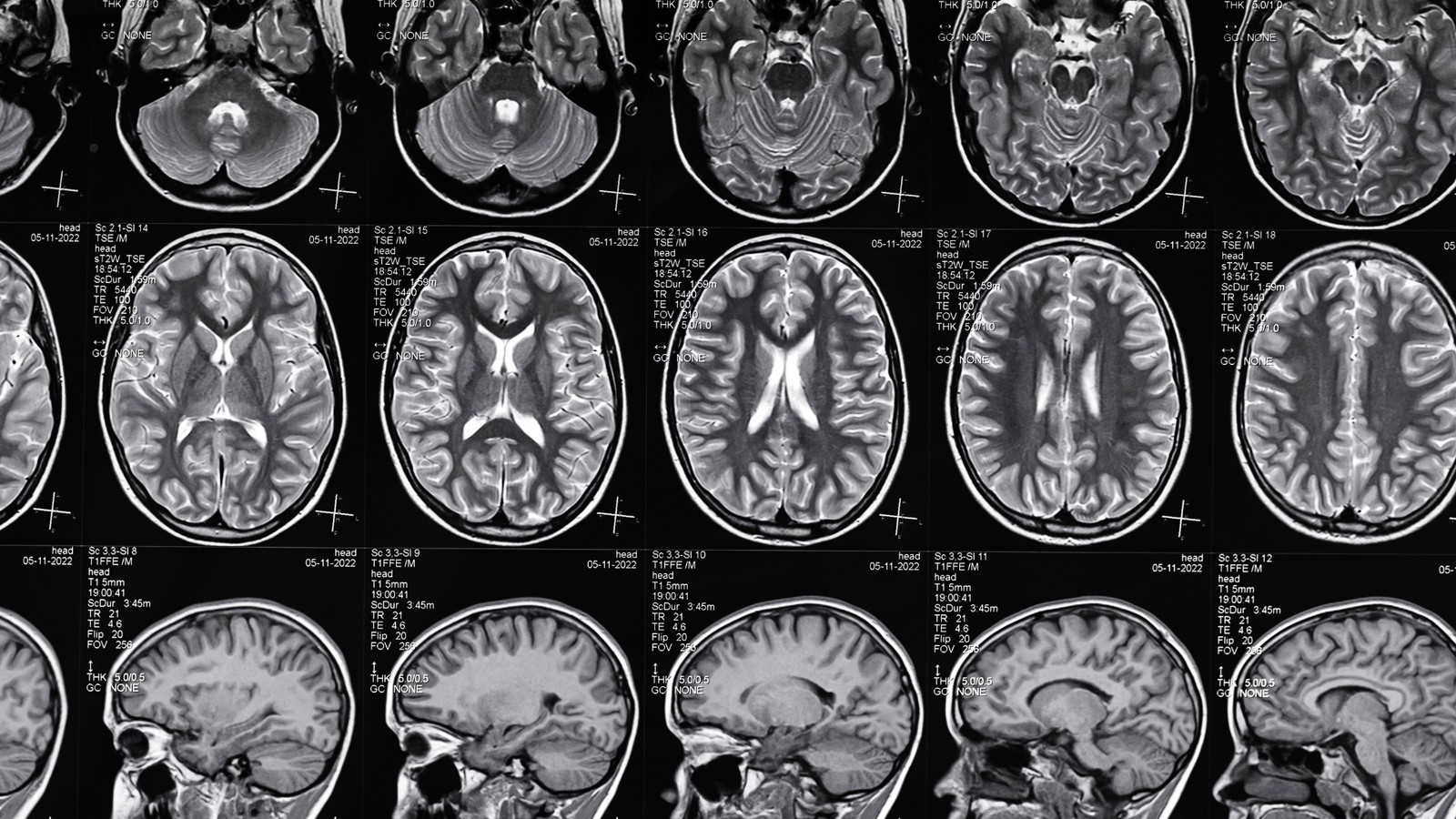
Brain injuries are among the most serious and life-changing injuries a person can suffer. Whether caused by a road traffic accident, workplace incident, slip and fall, or medical negligence, a traumatic brain injury (TBI) can have lasting physical, emotional, and financial consequences. Beyond the immediate medical treatment, victims often face long-term rehabilitation, lost income, and significant lifestyle changes. Understanding your legal rights is an essential step toward securing the support and compensation you may deserve.
If you or a loved one has experienced a serious head injury, seeking experienced legal guidance can make a meaningful difference. Firms like Affinity Law help injured individuals understand the legal process and pursue fair compensation. Whether you’re exploring your options or preparing a personal injury claim, having knowledgeable legal representation can help protect your interests throughout the process.
What Is a Brain Injury?
A brain injury occurs when trauma disrupts the normal function of the brain. Injuries can range from mild concussions to severe traumatic brain injuries that permanently affect cognitive abilities, mobility, speech, memory, and emotional well-being.
Common types of brain injuries include:
- Concussions
- Contusions (brain bruising)
- Diffuse axonal injuries
- Penetrating brain injuries
- Acquired brain injuries caused by lack of oxygen or medical complications
Even injuries initially considered “mild” can sometimes result in long-term symptoms that significantly affect daily life.
Common Causes of Brain Injuries
Brain injuries can happen in many unexpected situations. Some of the most common causes include:
Road Traffic Accidents
Car, motorcycle, bicycle, and pedestrian accidents are leading causes of traumatic brain injuries. Even when seatbelts and airbags reduce the severity of an accident, the force of impact can still cause serious head trauma.
Workplace Accidents
Construction sites, warehouses, manufacturing facilities, and industrial workplaces often present risks involving falling objects, machinery, or falls from height.
Slip and Fall Incidents
Unsafe property conditions, wet floors, uneven sidewalks, or poorly maintained stairways may lead to falls that result in head injuries.
Sports and Recreational Activities
Contact sports and high-impact recreational activities can expose participants to repeated head trauma and concussions.
Medical Negligence
In some cases, delayed diagnosis, surgical errors, or inadequate medical treatment may contribute to preventable brain injuries.
Recognizing the Symptoms
Brain injury symptoms vary depending on the severity of the trauma.
Physical Symptoms
- Persistent headaches
- Dizziness
- Nausea
- Vision problems
- Balance issues
- Fatigue
Cognitive Symptoms
- Memory loss
- Difficulty concentrating
- Confusion
- Slower thinking
- Reduced problem-solving ability
Emotional and Behavioral Changes
Victims may also experience:
- Depression
- Anxiety
- Mood swings
- Personality changes
- Irritability
- Sleep disturbances
Prompt medical evaluation is critical whenever a head injury is suspected, even if symptoms appear minor initially.
Why Legal Representation Matters
Brain injury cases are often more complex than standard personal injury claims. The long-term impact of the injury may not be immediately apparent, and calculating future financial losses requires careful analysis.
An experienced personal injury lawyer can help by
- Investigating the accident
- Gathering medical evidence
- Consulting neurological experts
- Calculating future treatment costs
- Negotiating with insurance companies
- Representing clients in court if necessary
Professional legal guidance ensures that important evidence is preserved while allowing injured individuals to focus on recovery.
Compensation in Brain Injury Cases
Every case is unique, but compensation may include several categories of damages depending on the circumstances.
Medical Expenses
Compensation may cover:
- Emergency treatment
- Hospital stays
- Surgery
- Rehabilitation
- Physical therapy
- Occupational therapy
- Prescription medications
- Future medical care
Lost Income
Victims may recover compensation for:
- Missed work
- Reduced earning capacity
- Permanent disability
- Career limitations
Pain and Suffering
Brain injuries often affect emotional health, relationships, and overall quality of life. Courts may award damages for physical pain and emotional suffering where permitted by law.
Long-Term Care Costs
Severe injuries may require:
- Home modifications
- Mobility equipment
- Personal care assistance
- Ongoing rehabilitation
- Assisted living arrangements
These future expenses can represent a substantial portion of a claim.
Evidence That Strengthens a Brain Injury Claim
Successful claims typically rely on strong supporting evidence.
Important documentation includes:
- Medical records
- CT scans and MRI reports
- Emergency room records
- Specialist evaluations
- Accident reports
- Witness statements
- Photographs
- Employment records
- Financial documentation
Keeping organized records from the beginning can significantly strengthen your case.
Common Challenges in Brain Injury Claims
Brain injury litigation often involves several unique challenges.
Delayed Symptoms
Some cognitive or neurological symptoms may develop days or even weeks after the accident.
Insurance Disputes
Insurance companies may argue that symptoms are unrelated or less severe than claimed.
Future Damages
Estimating lifelong medical expenses and reduced earning capacity requires expert opinions and detailed financial analysis.
Because of these complexities, experienced legal representation is often essential.
Steps to Take After a Brain Injury
If you or someone close to you suffers a head injury, consider these important steps:
Seek Immediate Medical Care
Medical treatment should always be the first priority. Early diagnosis can improve recovery while creating valuable documentation for any future legal claim.
Preserve Evidence
Keep copies of:
- Medical reports
- Bills
- Receipts
- Accident photographs
- Insurance correspondence
Avoid Premature Settlements
Insurance companies sometimes offer early settlements before the full extent of injuries becomes clear. Accepting an offer too quickly may prevent recovery of future expenses.
Consult an Experienced Lawyer
A qualified personal injury attorney can explain your legal options and help determine the appropriate next steps based on your specific circumstances.
Staying Informed About Legal Developments
Personal injury law continues to evolve as courts address new legal questions and medical evidence. Staying informed about legal developments can help individuals better understand their rights.
Readers interested in broader legal and public affairs topics can explore the latest coverage in the News section of UK Headlines, which regularly features updates on legal, business, and current affairs.
Final Thoughts
A brain injury can dramatically change every aspect of a person’s life, affecting physical health, emotional well-being, employment, and family relationships. While no legal outcome can fully reverse the impact of a serious injury, pursuing a well-prepared personal injury claim can provide the financial support needed for treatment, rehabilitation, and long-term stability.
Understanding your legal rights, obtaining prompt medical care, preserving evidence, and seeking experienced legal guidance are all important steps toward protecting your future. With the right support and informed decision-making, injured individuals can navigate the legal process more confidently while focusing on what matters most—recovery and rebuilding their lives.