

The landscape of international trade for British small and medium-sized enterprises (SMEs) has undergone a seismic shift in recent years. Between the implementation of the post-Brexit Border Target Operating Model (BTOM) and the evolving global supply chain dynamics following the pandemic, importing goods into the United Kingdom is no longer a simple matter of “order and receive.” For a small business, navigating the labyrinth of HM Revenue & Customs (HMRC) regulations is critical; a single error in paperwork can lead to seized goods, heavy fines, and significant disruptions to cash flow.
This guide provides a professional roadmap for British businesses looking to source products from the world’s manufacturing powerhouse, China, and the UK’s closest trading partners in the European Union.
Part I: The Fundamentals of UK Customs
Before a single pallet leaves a warehouse in Shenzhen or a factory in Germany, a British importer must have their regulatory house in order. Customs clearance is the process of declaring goods to the national customs authority to ensure that all necessary duties are paid and that the goods comply with UK safety and environmental standards.
1. The EORI Number
The Economic Operator Registration and Identification (EORI) number is the primary identifier for any business importing or exporting goods from the UK. Without a “GB” prefixed EORI number, your goods will be held at the border, and you will incur storage charges. Small businesses should apply for this via the GOV.UK portal well in advance of their first shipment.
2. Commodity Codes (HS Codes)
Every product has a specific ten-digit code that tells HMRC exactly what it is. This code determines the rate of Customs Duty you must pay and whether you need an import license. Using the wrong code is one of the most common mistakes made by SMEs. If you under-classify a product, you may face back-dated duty bills and penalties; if you over-classify it, you are throwing away profit margins.
3. Customs Valuation
The value of your goods isn’t just the price you paid the supplier. For customs purposes, the value generally includes:
- The price of the goods.
- The cost of transport to the UK border.
- The cost of any insurance.
- Any royalties or license fees related to the goods.
Part II: Importing from China – Navigating the Long Haul
China remains the primary sourcing destination for UK small businesses due to its unparalleled manufacturing scale. However, importing from China involves different logistical and regulatory hurdles than importing from Europe.
1. Anti-Dumping Duties
The UK government occasionally applies “Anti-Dumping” duties to certain Chinese products (such as specific types of steel, ceramics, or bicycles) to protect domestic industries from unfairly low prices. These duties can sometimes exceed 40-50% of the value of the goods. Small businesses must check the UK Trade Tariff tool specifically for Chinese origin goods to avoid these “hidden” costs.
2. Standards and Compliance
Products imported from China must meet UK safety standards. Since the UK left the EU, the “CE” mark is being phased out in favor of the “UKCA” (UK Conformity Assessed) mark. While there have been extensions on CE recognition, it is vital to ensure your Chinese supplier provides the necessary test reports and certificates to prove the goods are safe for the UK market.
3. Shipping Methods and Incoterms
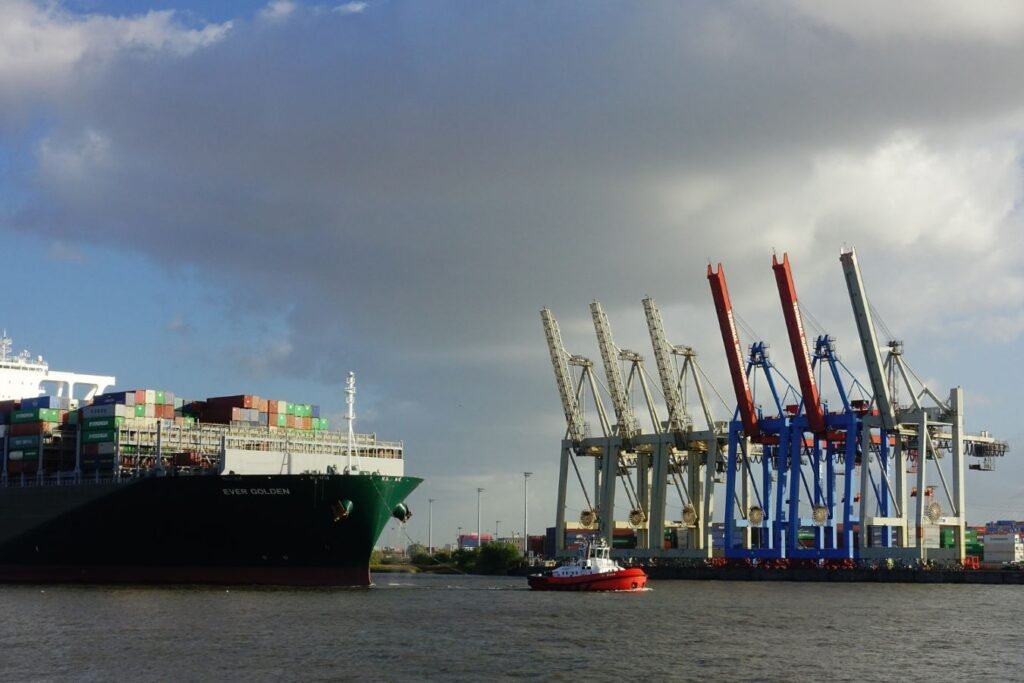
When importing from China, you will likely choose between Sea Freight (4-6 weeks), Air Freight (5-10 days), or the increasingly popular Rail Freight via the Silk Road route.
Crucially, you must understand Incoterms (International Commercial Terms):
- FOB (Free on Board): The supplier handles the goods until they are on the ship. You take over the costs and risks from there.
- EXW (Ex Works): You are responsible for everything from the factory door in China to your warehouse in the UK.
- DDP (Delivered Duty Paid): The supplier handles everything, including UK customs. While convenient, this often hides high markups and can lead to issues with VAT recovery.
Part III: Importing from the European Union – The Post-Brexit Reality
Since January 2021, the border between the UK and the EU has been a “hard” customs border. While the Trade and Cooperation Agreement (TCA) allows for zero tariffs on many goods, this is not automatic.
1. Rules of Origin
To benefit from 0% tariffs under the UK-EU trade deal, the goods must “originate” in the EU or the UK. This means if you are buying goods from a French wholesaler that were actually manufactured in China, you will likely have to pay UK Customs Duty. Small businesses must obtain a “Statement on Origin” from their EU suppliers to claim the preferential tariff rate.
2. The Border Target Operating Model (BTOM)
The UK has recently introduced the BTOM, which focuses on sanitary and phytosanitary (SPS) controls for animal and plant products. If your business imports food, plants, or organic materials from the EU, you now face physical checks and require health certificates.
3. GMR and Transit
For goods arriving via ferry (e.g., Dover or Folkestone), hauliers must use the Goods Vehicle Movement Service (GVMS) to create a Goods Movement Reference (GMR). As an importer, you must ensure your customs broker has linked your declaration to the GMR to prevent the truck from being turned away at the port.
Part IV: Managing VAT and Duties
For small businesses, cash flow is king. Understanding how to manage the financial aspect of customs can save thousands of pounds.
1. Postponed VAT Accounting (PVA)
In the past, importers had to pay Import VAT upfront at the border and claim it back months later. Now, the UK offers Postponed VAT Accounting. This allows businesses to account for and offset import VAT on their periodic VAT return rather than paying it physically at the port. This is a massive boost for SME cash flow.
2. Duty Deferment Accounts
If you import regularly, you can set up a Duty Deferment Account (DDA). This allows you to pay customs duties once a month via direct debit, rather than on a per-shipment basis.
Part V: Common Pitfalls and Why Documentation Matters
The most frequent cause of delays is incorrect documentation. Every import shipment must be accompanied by:
- Commercial Invoice: Detailing the buyer, seller, goods description, and value.
- Packing List: Detailing the weight, dimensions, and packaging.
- Bill of Lading / Air Waybill: The contract of carriage.
- Certificates of Origin: If claiming preferential duty rates.
Small businesses often fail to realize that HMRC holds the importer legally responsible for the accuracy of the customs declaration, even if a broker or freight forwarder is used. If the broker makes a mistake based on your poor instructions, you are the one who will be audited.
Part VI: The Move to CDS
The UK has transitioned from the old CHIEF (Customs Handling of Import and Export Freight) system to the new Customs Declaration Service (CDS). This digital-first system requires more granular data and a different way of handling payments. Ensuring your business is registered for CDS via the Financial Services section of the GOV.UK website is a mandatory step for modern importing.
Part VII: Partnering with DCP Logistics Group – Your Gateway to Global Trade
Navigating the complexities of HMRC regulations, commodity codes, and international shipping can be overwhelming for a small business owner whose primary focus should be on growth and sales. This is where professional partnership becomes an asset rather than a cost.
DCP Logistics Group, based in the heart of London, specializes in providing end-to-end customs clearance and logistics solutions tailored specifically for the needs of British SMEs. With years of experience in managing trade lanes from both the Far East and the European Continent, DCP Logistics Group acts as your dedicated trade department.
Why choose DCP Logistics Group for your Customs Clearance?
- Expertise in China-UK Trade: We understand the nuances of importing from China, from managing sea freight documentation to navigating the complexities of anti-dumping regulations and UKCA compliance.
- Specialized EU-UK Desk: Following Brexit, we have helped hundreds of businesses transition to the new border requirements. We manage GMRs, Rules of Origin disputes, and ensure your EU imports move through ports like Dover and Felixstowe without unnecessary delays.
- London-Based, Global Reach: Being based in London gives us a strategic vantage point. We are close to the financial and regulatory hubs of the UK, allowing us to provide real-time updates and professional advice on HMRC policy shifts.
- Tailored for Small Businesses: Unlike “mega-forwarders” where small accounts get lost in the shuffle, DCP Logistics Group prides itself on personalized service. We help you find the correct commodity codes, set up your Postponed VAT Accounting, and ensure your duties are calculated accurately.
- Full-Service Logistics: Beyond customs, we offer comprehensive freight forwarding, warehousing, and distribution. We can take your goods from a factory in Ningbo or a warehouse in Milan and deliver them directly to your door in the UK, handling every bureaucratic hurdle in between.
Modern Solutions for Modern Importers
At DCP Logistics Group, we utilize the latest CDS (Customs Declaration Service) technology to ensure your filings are submitted instantly and accurately. We provide clear, transparent pricing with no hidden “admin fees” that often surprise small businesses when their goods reach the port.
By outsourcing your customs clearance to DCP Logistics Group, you are not just hiring a service provider; you are securing a partner dedicated to protecting your bottom line and ensuring your supply chain remains resilient.
Take the Next Step
Don’t let the complexity of UK customs hold your business back from international growth. Whether you are planning your first import from China or looking for a more reliable partner for your weekly EU shipments, DCP Logistics Group is ready to assist.
Contact DCP Logistics Group today to discuss your import requirements. Our team of London-based specialists will provide a free initial consultation to review your commodity codes, advise on duty rates, and show you how we can streamline your entire import process.
Order your customs clearance services from DCP Logistics Group and experience the peace of mind that comes with professional, London-based logistics expertise.
Visit our website or call our London office to speak with a customs expert today. Let us handle the paperwork while you focus on building your business.
Disclaimer: This article is intended for informational purposes and reflects general customs procedures as of the time of writing. Specific regulations and timelines may change. Always consult a qualified customs broker or legal professional for advice tailored to your particular circumstances.