
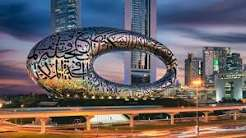
Dubai can look almost unreal from a distance: glass towers, vast malls, private beaches and futuristic architecture rising from the desert. But the most interesting parts of the city often have little to do with luxury.
Look closer and you’ll find a place shaped by trade, migration, ambition, neighbourhoods, family traditions and rapid change. That’s why a little preparation can transform a Dubai trip. Instead of simply moving from one landmark to another, you start noticing how the city became what it is.
Why Understanding Dubai Before Your Trip Matters
It’s easy to assume Dubai’s story began with skyscrapers. It didn’t. The city’s relationship with Dubai Creek, regional commerce and maritime trade predates its modern transformation, while contemporary Dubai has been shaped by international business, migration and extraordinary urban development.
Reading before you arrive gives those contrasts some context. A good travel book can help you understand the geography; history can explain why older districts matter; fiction can offer a sense of social relationships and different perspectives on life in the city.
If you’re planning a first visit, exploring a few books to read before visiting Dubai can be surprisingly useful. You don’t need to become an expert. Even one thoughtful book can make places such as Deira, Bur Dubai or the Creek feel less like stops on a sightseeing itinerary and more like parts of a much longer story.
What Books Can Teach You About Dubai
There isn’t one perfect book about Dubai because there isn’t one version of Dubai.
A history book can introduce the city’s development and its trading past. A current travel guide is more useful for understanding neighbourhoods, planning and practical details. Fiction can reveal social tensions, relationships and cultural misunderstandings that a conventional guidebook may overlook. Books about business and modern development can explain another important part of Dubai: its determination to attract companies, investment and people from around the world.
The trick is to read for perspective rather than facts alone. Ask what each author helps you see that another might miss. That approach produces a much richer picture than any single list of “must-read” titles.
Experience Dubai Beyond the Famous Landmarks
You don’t necessarily need to skip the Burj Khalifa, Dubai Mall or Dubai Marina. They’re famous for a reason. The better approach is to balance them with places that reveal a different side of the city.
The Al Fahidi Historical Neighbourhood, for example, offers a chance to explore an older architectural and cultural environment, while Dubai Creek helps connect present-day Dubai with its commercial past. Al Seef sits between those worlds, combining heritage-inspired surroundings with a contemporary waterfront setting.
For contemporary culture, Alserkal Avenue is worth considering if you’re interested in galleries, creative spaces and the city’s art scene. Jameel Arts Centre offers another perspective through contemporary art and cultural programming.
Meanwhile, neighbourhoods such as JBR and Dubai Marina show yet another Dubai: coastal, modern and heavily shaped by tourism and high-density development. Seeing these areas alongside older parts of the city makes the contrast itself part of the experience.
Dubai’s Free Cultural Side
One of the best ways to make a Dubai trip less expensive—and often more interesting—is to look beyond ticketed attractions. Some of Dubai’s free cultural attractions provide an opportunity to explore the city without turning every hour into a paid activity.
Dubai Creek is particularly useful for this kind of wandering. You can explore the surrounding historic districts, observe the waterfront and see traces of the trading environment that helped shape the city. The Mohammed Bin Rashid Library is another cultural landmark worth considering; check its official information before visiting for current access arrangements and programming.
Public waterfront areas can also be enjoyable when the weather cooperates. JBR and parts of Dubai Marina are better suited to relaxed evening walks than to deep historical exploration, but they show how contemporary Dubai uses public space.
Weather matters, too. During the hotter months, outdoor plans are much more comfortable around the cooler parts of the day. Indoor cultural venues can make more sense in the middle of the afternoon.
FAQ
What should I read before visiting Dubai?
Start with a practical travel guide if this is your first trip, then add a history book or a work of fiction for a broader perspective. The combination helps you understand both where you’re going and the people and history behind the places you’ll see.
How can I understand Dubai beyond its skyscrapers?
Visit older areas around Dubai Creek and Al Fahidi, explore cultural institutions, and spend time in different neighbourhoods. Comparing historic districts with places such as Marina or Downtown reveals how dramatically the city has changed.
What are some free cultural attractions in Dubai?
Dubai Creek and several historic neighbourhood areas can be explored without paying an admission fee. Some cultural venues also offer free access or public areas, although exhibitions, events and special experiences may have separate arrangements.
Can you experience Dubai without spending a lot of money?
Absolutely. Combine a few paid highlights with free walks, public waterfronts, historic neighbourhoods, libraries and cultural spaces. Planning around the weather can also make inexpensive outdoor exploration much more enjoyable.
What should first-time visitors know about Dubai culture?
Dubai is both distinctly rooted in the UAE and highly international. Avoid assuming that the tourist image represents the whole city. Learning a little about Emirati culture, local history and the experiences of Dubai’s many communities will give you a more balanced understanding.
Dubai is at its most fascinating when you stop treating it as a collection of impressive buildings. The skyline is only the visible layer. Underneath it are old trading routes, neighbourhood stories, cultural traditions, migrant communities and decades of ambitious change. Once you understand some of that background, even a simple walk through the city can become part of the journey.
How to Make Your Dubai Trip More Meaningful
A richer Dubai itinerary doesn’t have to cost more. Try building your days around contrasts.
Read something about the city before you leave. Spend part of a day in an older neighbourhood before visiting a modern landmark. Leave room for an unhurried walk rather than filling every hour with reservations. Mix major attractions with public spaces and cultural institutions.
Most importantly, pay attention to who uses each place. Dubai isn’t experienced in the same way by a holidaymaker, a business traveller, an Emirati family or a long-term resident. That variety is one of the city’s defining characteristics.