
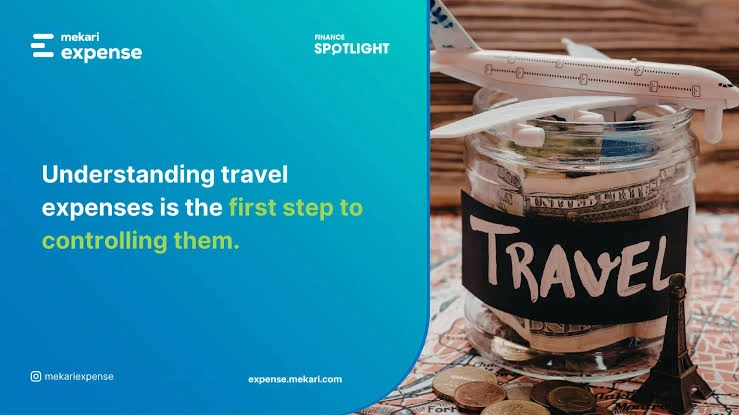
When you dream of exploring new destinations, the question that often holds you back is straightforward: how do you afford it? The gap between wanting to travel and actually booking a ticket comes down to one thing: planning. Financial preparation separates casual daydreamers from actual travelers. By approaching travel as a budgeting priority rather than an afterthought, you can transform your finances to support the adventures you want to experience.
Understanding Your Travel Goals and Budget
Before you can allocate money toward travel, you need to define what travel means to you. Are you planning a two-week European vacation, or do you want to take several weekend trips throughout the year? Do you dream of backpacking across Southeast Asia or staying in luxury resorts? The specificity of your travel goals directly influences how much money you need to save and how quickly you need to accumulate it. Different destinations carry vastly different costs, and clarifying your aspirations creates a measurable target that makes financial planning concrete rather than vague.
Once you understand your travel goals, assign a realistic dollar amount to each trip. Research typical costs for your desired destination, including flights, accommodation, meals, activities, and transportation. Add a contingency buffer of fifteen to twenty percent for unexpected expenses. For example, if you want to spend two weeks in Costa Rica and research suggests an average daily cost of eighty dollars, your baseline budget would be around eleven hundred dollars, plus an additional two hundred to two hundred fifty dollars for emergencies or spontaneous experiences. Writing down these numbers transforms abstract aspirations into actionable financial targets, allowing you to determine exactly how much you need to save each month and whether your timeframe is realistic given your current income.
Creating a Dedicated Travel Fund
Separating travel money from your everyday spending account is essential for success. When travel funds sit in your general checking account, they blend with money earmarked for rent, groceries, and other necessities, making it psychologically easier to spend travel money on non-travel expenses. Opening a separate savings account specifically for travel creates a clear boundary around this money. Many banks offer high-yield savings accounts that earn interest on your balance, meaning your travel fund grows faster through passive earnings over time.
Automating deposits into your travel fund removes the temptation and the need for willpower. Set up an automatic transfer from your primary account to your travel savings account on the same day you receive your paycheck. Even small amounts, such as fifty or one hundred dollars per paycheck, accumulate surprisingly quickly over several months. If you receive an annual bonus or tax refund, directing a portion of that windfall toward travel significantly accelerates your timeline. The automation approach works because you never see the money in your regular spending account, so you adjust your everyday spending accordingly without feeling deprived.
Identifying and Reducing Unnecessary Expenses
Maximizing travel funding does not always require earning more money. Often, it means spending less on non-essential items in your daily life. Track your expenses for one month to identify where your money actually goes. Most people discover spending patterns they did not fully recognize, such as multiple coffee shop visits each week, subscription services they rarely use, or dining out more frequently than they realized. Buying a four-dollar coffee four times per week adds up to roughly eight hundred dollars annually, and redirecting this money toward travel makes a meaningful difference.
Evaluate your recurring subscriptions and memberships with an honest eye. Do you actively use all your streaming services, gym memberships, or magazine subscriptions? Canceling even three unused subscriptions could free up thirty to fifty dollars monthly for travel. Beyond subscriptions, examine larger spending categories, such as whether you could reduce dining out by cooking at home more often, find more affordable entertainment options, or negotiate lower rates on insurance or phone plans. The goal is not to eliminate all enjoyment from your daily life but to be intentional about spending, so that each choice aligns with your broader travel priorities.
Leveraging Additional Income Streams
While reducing expenses creates space in your budget, generating additional income accelerates your travel timeline significantly. Consider opportunities to earn extra money beyond your primary job. Freelancing in your field of expertise, whether writing, design, programming, or consulting, allows you to earn at your desired hourly rate. Selling items you no longer need on online marketplaces generates immediate cash for your travel fund, and the temporary nature of side income makes it psychologically easier to dedicate it entirely to travel rather than incorporating it into your regular budget.
The gig economy offers flexible opportunities for additional earnings that fit around your existing schedule. Food delivery, rideshare driving, or task-based work typically provide payment within days, offering quick boosts to your travel fund. Even seasonal work, such as holiday retail positions or tax preparation assistance, can generate significant income over short periods. When structuring a longer-term savings plan around travel goals, Financial Advisors in Greenville help clients align their income strategies and tax planning so that more of what they earn is directed toward the experiences they value most. Working a few extra hours monthly can fund your travel goals without requiring permanent changes to your everyday habits.
Timing Your Travel for Maximum Value
When you plan to travel affects what you spend as much as where you travel. Peak travel seasons command higher prices for flights, hotels, and activities because demand is high. Traveling during shoulder seasons or off-peak times dramatically reduces costs, and many popular destinations are equally enjoyable when fewer tourists are present, offering more authentic experiences and better prices. For example, visiting a beach destination during its rainy season costs considerably less than visiting during peak season, yet the location remains just as rewarding.
Being flexible with your travel dates multiplies your purchasing power. Flights are typically cheaper when booked mid-week rather than on weekends, and booking two to three months in advance usually yields better rates than last-minute purchases. Setting up price alerts for flights to your desired destinations helps you catch deals when they appear. If your schedule allows for travel during less popular times, your budget stretches further and accommodates longer trips or more destinations, making strategic timing one of the most effective financial tools available to frequent travelers.
Conclusion
Planning your finances around travel requires shifting your mindset to treat travel as a priority rather than an optional luxury. By clearly defining your travel goals, creating a dedicated fund, reducing unnecessary spending, and exploring income opportunities, you build the financial foundation for consistent travel experiences. The process combines several strategies simultaneously: automating savings, eliminating wasteful expenses, and strategically timing your trips for maximum value. These approaches work together to accelerate your journey from wanting to travel to actually doing it. With intentional financial planning and persistent execution, the destinations you dream about become experiences you actually enjoy.