
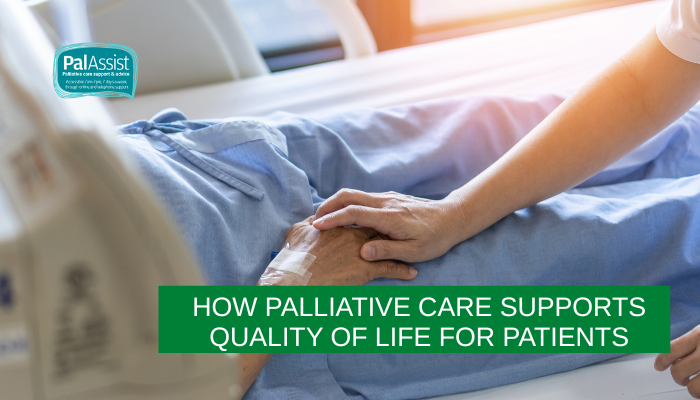
Quality-of-life care through palliative services eases pain, controls physical discomfort, and gives you emotional support when you’re facing a serious illness (yes, even at 3 AM). The goal is to help you feel more comfortable day-to-day, so your illness does not take over every part of your routine.
Registered nurses at PalAssist have supported thousands of Queenslanders, including young people, through this journey. Families can reach our team any time through www.palassist.org.au to ask questions, understand care options, and get support.
In this guide, we will show how palliative care teams manage symptoms, support emotional well-being, and help people stay connected to the routines and relationships that they love.
Let’s walk through how it works.
What Is Palliative Care and How Does It Improve Quality of Life?
Palliative care eases pain and helps you manage physical symptoms like breathlessness, nausea, and fatigue while living with a life-limiting illness.

Many people worry that palliative care means stopping treatment, but that is not the case. Your care team supports you throughout treatment by managing symptoms, reducing stress, and helping you make daily life easier to manage.
They first ask what you’re struggling with most. Once the care team understands your struggles, they build a healthcare plan around your preferences. That support helps you stay more comfortable, independent, and in control throughout your illness.
Pain and Physical Symptom Relief
As mentioned earlier, palliative care provides relief from pain and breathlessness that have been holding you back. The team works out where it hurts most and prescribes the right medicines.

When pain decreases, you get your energy back for time with family, hobbies you’ve set aside, and daily activities you’ve been missing.
Symptoms your care team helps with:
- Pain Management: Breakthrough pain catches you off guard between regular doses. Your doctors adjust timing and dosage so coverage stays consistent. This prevents those sudden spikes that stop you mid-activity and helps you plan your day with confidence.
- Breathing Support: Shortness of breath gets worse when you panic or tense up. Allied health workers teach you controlled breathing patterns and show you which body positions open your airways.
- Energy and Personal Care: Morning routines drain you the most. The reason is that your body uses energy overnight to heal and manage symptoms. Your team shows you how to pace tasks, use assistive tools, and work with your energy peaks.
Managing these symptoms changes how you experience each day. Pain no longer dictates your schedule, breathlessness doesn’t limit your movement, and fatigue stops stealing your mornings. At the end of the day, you get to decide how you spend your time.
Emotional and Mental Health Support
Have you felt scared, angry, or completely lost since your diagnosis? If so, you’re not losing your mind. Honestly, it’s common to experience overwhelming worry about the future, and illness amplifies every anxiety you’ve ever had.
Counselling gives you private space to work through those feelings without upsetting your family. You can talk about death, worries about your children, and spiritual questions that keep you awake. PalAssist offers practical guides when you need extra support between sessions.
Your family and carers can access help too. Watching someone struggle takes a toll, so respite care gives them breaks, while counselling helps them process their own stress and exhaustion.
With physical symptoms managed and emotional support in place, you can focus on the people and activities you value most.
Independence and Daily Activities
Palliative care helps you keep doing things that bring joy to your life. Maybe you love your garden, but can’t bend down anymore. Or you want to see your grandkids but feel worn out halfway through.
We’ve helped people work around these limits. One woman loved gardening but couldn’t bend or kneel anymore. Her care team stepped in. They connected her with occupational therapists who suggested raised beds and adaptive tools, which meant she could keep growing roses without the pain that used to stop her.
Staying connected to familiar routines helps people feel like themselves. Keep in mind, an illness might change your daily life, but it doesn’t erase your identity. And your wishes influence the care plan, which means quality time visiting friends remains a part of your week.
How to Access Palliative Care Services in Queensland
You can access palliative care in Queensland by calling your GP or contacting services directly. No referral is needed.
Let’s look at where you can receive care:
Your Own Home
When you call for home-based care, a team visits within 48 hours to assess your needs and set up support. We’ve helped thousands of Queensland families access help at home.
In fact, Queensland Health helps connect you with providers in your local area who handle medication, symptom checks, and ongoing support.
Hospital and Aged Care
Are you wondering what to do if you are already in a hospital or living in aged care? Well, even then, you can access palliative care. Staff there contact specialists who work alongside your current team.
What’s more, hospice programmes provide quiet, dedicated spaces with 24-hour support.
Culturally Safe Options
Aboriginal and Torres Strait Islander people can request services that follow cultural protocols. These programmes connect you with community elders and Torres Strait Islander health workers trained in care that honours your traditions and family values.
Your Next Steps for End-of-Life Support
You can begin with one phone call or email. PalAssist connects you with the right care team and answers the questions you’re too worried to ask your doctors.
Our health professionals support people facing terminal illness every day. We’ve heard every question, every worry, and every “Is this normal?” at 2 AM. Nothing shocks us, and we never judge. So when doctors feel hard to reach, and you need straight answers about end-of-life support, that’s what we give you.
Ring us on 1800 772 273, chat online, or email us anytime. You deserve clear answers without feeling overwhelmed.