
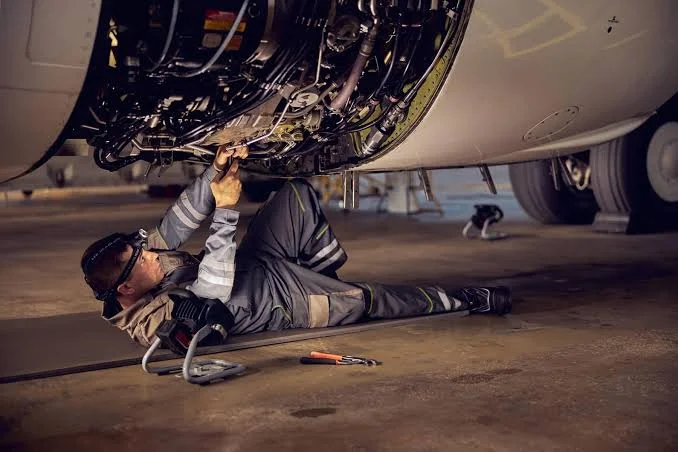
What happens when an aircraft maintenance program fails? The consequences range from costly downtime and regulatory fines to safety risks that could endanger lives. A well-designed maintenance program, by contrast, keeps aircraft operational, extends asset life, and ensures compliance with strict aviation standards. Understanding the core components that make a maintenance program effective is essential for any organization responsible for fleet operations.
1. Preventive Maintenance Scheduling
Preventive maintenance forms the backbone of any successful aircraft maintenance program. Rather than waiting for equipment to fail, this approach involves performing regular inspections and servicing based on predetermined intervals, flight hours, or calendar days. Airlines and maintenance providers follow manufacturer recommendations and regulatory guidelines to establish these schedules, ensuring that potential issues are identified and corrected before they become serious problems. For example, an engine inspection might be scheduled every 400 flight hours, while structural inspections could occur annually regardless of usage. This proactive strategy reduces unexpected breakdowns, minimizes emergency repairs, and keeps aircraft in peak condition. By addressing wear and tear systematically, organizations avoid the exponential costs and operational disruptions that come with reactive maintenance.
2. Detailed Documentation and Record Keeping
Comprehensive documentation is a critical pillar of aircraft maintenance management. Every maintenance action, inspection result, repair, and component replacement must be meticulously recorded in an aircraft’s maintenance logbook. This documentation serves multiple purposes: it provides a complete history of the aircraft’s condition, supports regulatory audits, helps identify recurring problems, and protects the organization legally in case of disputes or incidents. Maintenance records must include the date, time, description of work performed, technician identification, and sign-off by authorized personnel. Digital maintenance tracking systems have made record keeping more efficient and accessible, allowing maintenance teams to quickly retrieve historical data and trend information. Accurate records also facilitate the transition of knowledge when personnel change and ensure continuity in the maintenance program.
3. Qualified and Trained Personnel
No maintenance program can succeed without skilled technicians and engineers who understand aircraft systems thoroughly. Personnel working on aircraft must hold appropriate certifications and licenses specific to their role, such as airframe and powerplant mechanic certifications in the United States. Beyond initial certification, ongoing training keeps technicians current with manufacturer updates, new equipment, changing regulations, and emerging best practices in the industry. Training programs should cover technical skills, safety procedures, and familiarity with specific aircraft types in the fleet. Regular refresher courses and competency evaluations ensure that technicians maintain their knowledge and skills over time. Organizations that invest in personnel development report higher quality maintenance work, fewer repeat issues, and improved safety records.
4. Compliance with Regulatory Standards
Aircraft maintenance must comply with strict regulations established by aviation authorities such as the FAA in the United States and EASA in Europe. These regulations outline mandatory inspection intervals, maintenance procedures, and documentation requirements that all maintenance programs must follow. Regulatory compliance is non-negotiable, and violations can result in significant penalties, operational restrictions, or license revocation. A successful maintenance program incorporates these regulatory requirements into its scheduling and procedures, ensuring that the organization stays current with changing rules and interpretations. Regular audits and self-assessments help identify any gaps between current practices and regulatory requirements, allowing the organization to make corrections before issues are discovered during official inspections. Compliance also protects the organization’s reputation and insurance coverage.
5. Effective Communication and Coordination
Aircraft maintenance involves multiple departments and personnel who must work together seamlessly. Pilots, maintenance technicians, engineers, and schedulers all play crucial roles in keeping aircraft safely operational and on schedule. Clear communication channels ensure that potential issues are reported promptly, maintenance needs are prioritized appropriately, and all stakeholders understand the aircraft’s current status and maintenance schedule. When a pilot reports a minor discrepancy, that information must reach maintenance personnel who can assess whether it requires immediate attention or can be addressed during the next scheduled maintenance window.
During pre-flight and post-flight reporting activities, pilot john provides crews with accessible resources that help ensure discrepancies are communicated accurately and maintenance teams receive the detail they need to act. Regular team meetings, standardized reporting forms, and shared access to maintenance databases facilitate this coordination. Poor communication often leads to missed maintenance issues, duplicated work, or unnecessary downtime, so establishing robust communication protocols is a core operational priority.
6. Continuous Monitoring and Performance Analysis
A mature maintenance program continuously monitors its own performance and looks for opportunities to improve. Key metrics such as dispatch reliability, mean time between failures, maintenance costs per flight hour, and schedule adherence rates provide insight into whether the program is achieving its objectives. When these metrics trend negatively, maintenance leaders can investigate root causes and adjust procedures accordingly. For instance, if a particular component type shows a pattern of premature failures, the program might increase inspection frequency for that component, investigate manufacturing quality issues, or modify maintenance procedures. Data analysis also helps identify seasonal trends, aging aircraft issues, and opportunities to optimize maintenance intervals. Organizations that embrace this analytical approach continuously refine their programs and maintain consistently high performance over time.
Conclusion
A successful aircraft maintenance program requires careful attention to multiple interconnected components working in harmony. Preventive maintenance scheduling, detailed documentation, qualified personnel, regulatory compliance, effective communication, and continuous performance monitoring each contribute essential functions that keep aircraft safe and operational. Organizations that prioritize these components demonstrate higher reliability, lower maintenance costs, and improved safety outcomes compared to those with less structured approaches. The investment in building a robust maintenance program pays dividends through reduced unexpected failures, minimized downtime, and protection of the organization’s most valuable assets. As aviation operations become more complex and regulatory requirements continue to evolve, maintaining excellence in aircraft maintenance programs remains fundamental to success in the industry.