
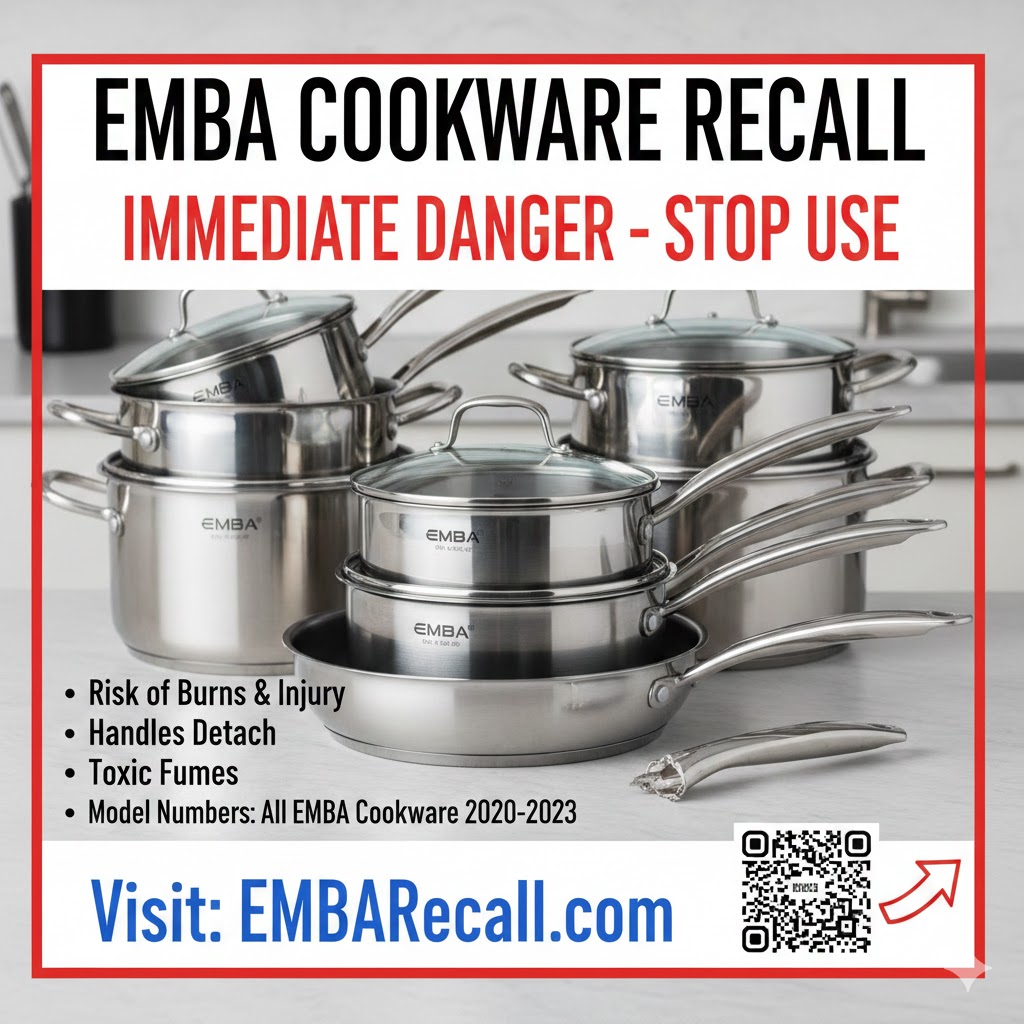
lIntroduction: Why the Emba Cookware Recall Matters
The emba cookware recall has rapidly become one of the most widely discussed consumer safety issues across the UK, affecting thousands of households who purchased cast iron cookware in recent years. This recall matters because it centres on the potential migration of heavy metals, including lead, from cookware into food—a risk that presents a serious health concern for families who rely on these pots and pans daily. With the recall spanning products sold from late 2023 and later expanded to cover earlier purchases, many UK residents are now checking their kitchens to ensure they are not using unsafe cookware.
Awareness around the emba cookware recall has grown quickly thanks to urgent government notices, retailer updates, and local council alerts, all urging UK consumers to stop using affected Emba cast iron cookware immediately. The scale of the recall reflects how essential it is for households to stay informed about the products they use regularly. This situation highlights the importance of product testing, regulation, and transparency within the cookware industry, especially as consumers increasingly prioritise safety in everyday cooking.
Background: What Triggered the Emba Cookware Recall
The emba cookware recall was triggered after routine product testing identified the potential for heavy metal migration during typical cooking conditions. These metals, including lead, can leach into food when cookware is heated, especially during prolonged or high-temperature use. The findings were alarming enough to prompt immediate action from safety authorities, who confirmed that this contamination risk exceeded accepted food safety standards. As a result, the recall notice was swiftly issued to prevent further household exposure.
Once the initial recall was communicated, government agencies and independent retailers continued investigating the issue, which led to an expanded timeline of affected products. Although the original recall covered items sold between late 2023 and early 2025, new guidance later included products sold before 2023 as a broader precaution. This demonstrated a commitment to consumer protection and ensured that anyone with Emba cast iron cookware had the opportunity to verify the safety of their items. The emba cookware recall soon became a major national concern, prompting widespread action from consumers and manufacturers alike.
Full List of Affected Emba Cookware Products
The emba cookware recall applies to a wide selection of cast iron pieces, including frying pans, Dutch ovens, skillets, griddles, and full cookware sets. Many of these products are popular choices for everyday cooking, making the recall particularly disruptive for households that rely on these pans for regular meal preparation. Although Emba Cookware is known for its classic, rustic cast iron style, all items within the affected list are potential risks regardless of size, shape, or collection.
Consumers may find it challenging to identify whether their specific cookware piece is included in the emba cookware recall, especially if they own multiple cast iron items. To help with this, the official recall notice provides instructions on identifying product details, checking order numbers, and reviewing purchase dates. Those who bought sets may discover that only some pieces are affected, while others in the same collection remain safe. Verifying each item individually ensures accurate awareness of which products need to be discontinued immediately.
Health Risks Linked to Heavy Metal Migration
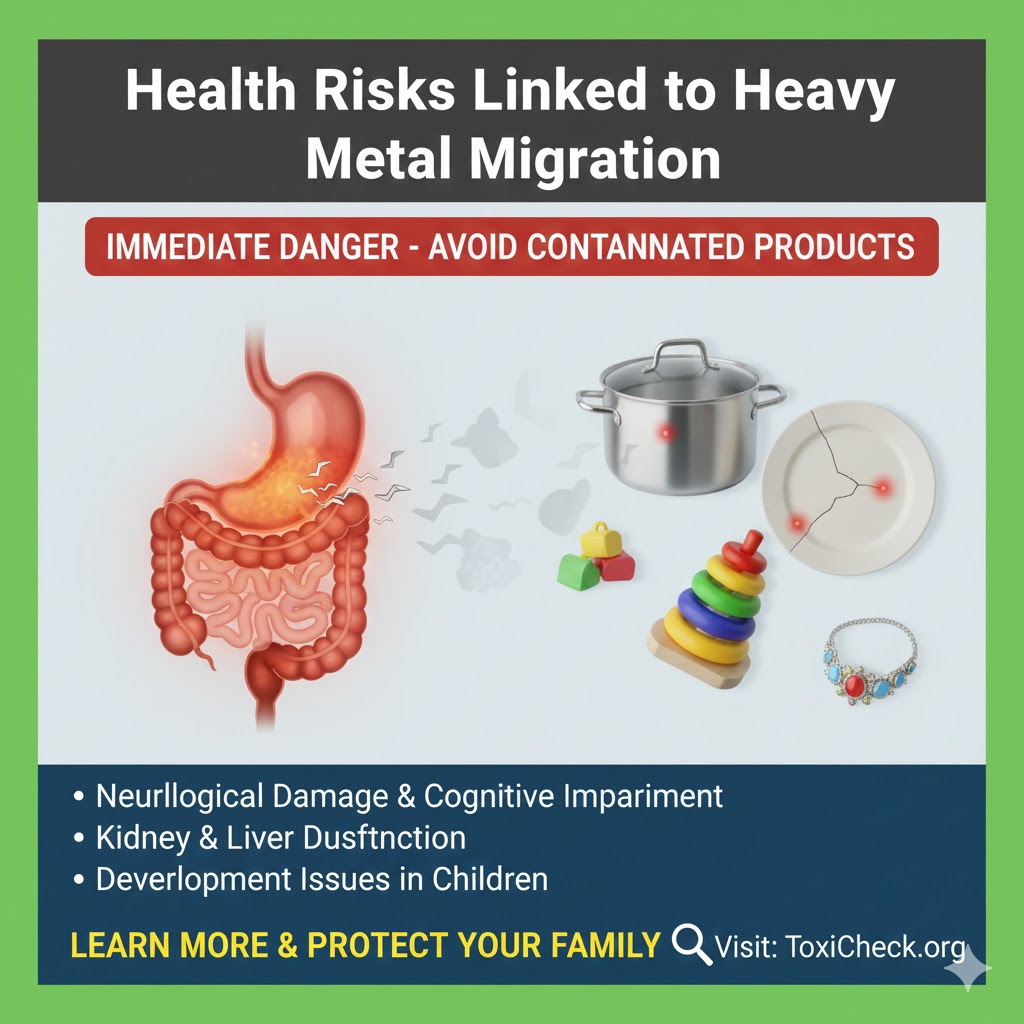
The primary concern surrounding the emba cookware recall is the potential health impact of heavy metal contamination in food. When cookware containing unsafe levels of heavy metals is heated, these substances can leach into meals, leading to exposure that may accumulate in the body over time. For children and pregnant women especially, even small amounts of lead or other harmful metals can carry significant long-term risks, including developmental problems and neurological effects.
Health experts warn that repeated exposure, even at low levels, can cause gradual health deterioration. Symptoms related to heavy metal exposure are often subtle and difficult to link directly to cookware use, which is why the emba cookware recall urges immediate discontinuation of all affected items. Food safety should always be prioritised, and the potential risks associated with heavy metal ingestion underline the necessity of removing unsafe cookware from circulation as soon as possible.
How to Check If Your Emba Cookware Is Included
To determine whether your product is part of the emba cookware recall, the first step is confirming the purchase date and model information. Consumers who purchased from Emba’s official website, trusted retailers, or marketplaces such as Amazon can review order histories, invoices, or confirmation emails. Most retailers provide support to help identify whether a product falls within the affected batch range.
If you no longer have your receipt or order details, you are still encouraged to contact the retailer or the Emba recall support team. The recall guidelines acknowledge that many households may not retain original documentation and provide alternative verification methods. This ensures no consumer is excluded from receiving support, even if their purchase was made several years ago.
What UK Consumers Should Do Next
If your cookware is included in the emba cookware recall, you should stop using it immediately, regardless of its condition or how frequently you use it. Once you confirm the item is affected, contact Emba Cookware or the recall administrator for instructions about returning or safely disposing of the product. Many consumers will be eligible for a refund, and the process has been designed to be straightforward and accessible.
Those who purchased through third-party sellers may need to follow separate procedures, but UK consumer law ensures that recalled products must be handled fairly. This means consumers can expect a resolution without financial loss. The emba cookware recall emphasises the importance of acting promptly to reduce any risk of exposure and protecting your household’s safety.
Retailer and Manufacturer Response
Following the announcement of the emba cookware recall, retailers quickly removed all affected items from sale and updated customers through email alerts and website notices. The manufacturer cooperated with safety authorities to provide detailed guidance on affected products and contact information for refunds. This rapid response helped contain the issue and prevented further sales of potentially unsafe cookware.
Local councils also played a role by distributing recall updates through public safety channels, increasing awareness across communities. This collaborative response shows how consumer safety depends on effective communication between manufacturers, retailers, and government authorities.
Conclusion: Staying Safe and Informed
The emba cookware recall has highlighted the importance of product testing, safety standards, and consumer awareness in the household goods market. By understanding the risks, verifying your cookware, and following official recall instructions, you can help protect your home from potential harm. Although the recall has caused inconvenience for many, it reinforces the value of staying informed and prioritising safety in all kitchen purchases.
As consumers continue to assess their homes for affected products, the lessons learned from the emba cookware recall will likely influence future buying decisions, encouraging a more safety-conscious approach to cookware and household essentials.