
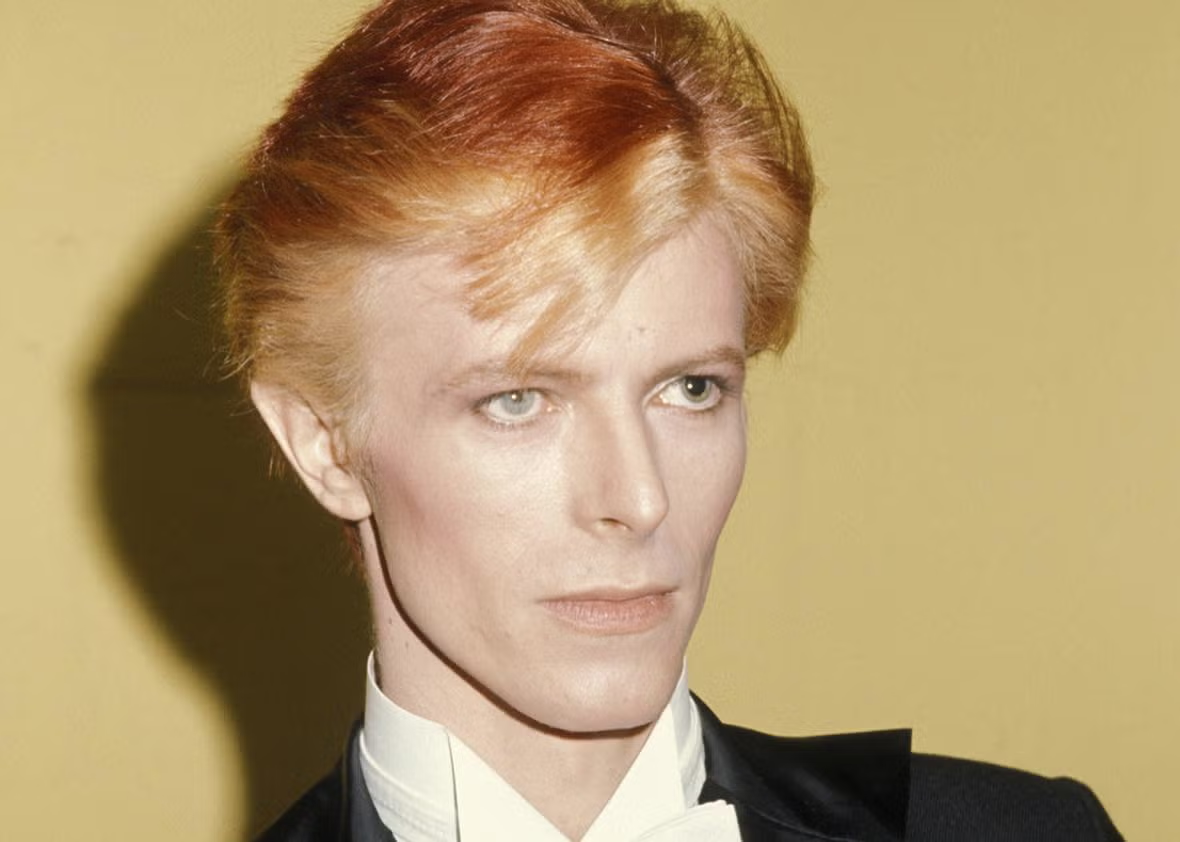
Did David Bowie have heterochromia? It’s one of the most searched questions about the late music icon, and for good reason. Fans have marvelled at his piercing, seemingly two-toned eyes for decades, often assuming they were naturally different colours. However, the truth is more fascinating than the myth, involving a childhood fight, a permanently dilated pupil, and a lifelong misconception that even Bowie himself rarely corrected in interviews.
In this article, we’ll explore exactly what happened to David Bowie’s eyes, why so many people believe he had heterochromia, and what actually caused his distinctive gaze. Understanding the real story adds another layer of appreciation for one of music’s most visually memorable figures, whose appearance became as iconic as his sound.
What Is Heterochromia?
Heterochromia is a genuine medical and genetic condition in which a person’s irises are two different colours, or occasionally show multiple colours within a single eye. It occurs because of variations in melanin concentration, and it can be present from birth or develop later due to injury, illness, or medication. True heterochromia is relatively rare, affecting a small percentage of the population worldwide.
There are three recognised types: complete heterochromia, where each eye is a distinctly different colour; sectoral heterochromia, where one eye contains two colours; and central heterochromia, where the colour near the pupil differs from the outer iris. Consequently, not everyone with unusual-looking eyes actually has heterochromia in the clinical sense, which is precisely where confusion around David Bowie’s appearance began.
Because heterochromia is often associated with celebrities, it has become something of a pop culture talking point. People frequently search for famous examples, and Bowie’s name consistently tops the list. Nevertheless, as we’ll see below, his case wasn’t heterochromia at all, but a different condition entirely that simply produced a similar visual effect.
Key Facts About David Bowie’s Eyes
Bowie’s eyes appeared to be different colours mainly because his left pupil was permanently dilated and never returned to its normal size. This gave the illusion of mismatched iris colours, especially in photographs and stage lighting, even though both his eyes were actually blue. The enlarged pupil simply made the left eye appear darker, browner, or almost black depending on the light.
This condition, known as anisocoria, resulted from a schoolboy altercation in 1962 with his close friend George Underwood, reportedly over a girl they both liked. Underwood’s ring caught Bowie’s eye during the scuffle, damaging the muscle that controls pupil constriction. Despite surgery to repair the injury, the pupil never fully recovered its natural function.
Interestingly, the two remained lifelong friends afterwards, and Underwood later designed several album covers for Bowie, including artwork for Space Oddity. Bowie rarely dwelled on the incident publicly, occasionally joking about it rather than treating it as a defining trauma. This good-humoured approach arguably helped the story, and the eye itself, become part of his enduring mystique.
Why People Believe David Bowie Had Heterochromia
The persistent belief that Bowie had heterochromia largely comes down to visual perception rather than genetics. Because his left pupil stayed dilated, it absorbed more light and reflected less colour, making the iris look noticeably darker in photos and film. Casual observers naturally assumed this meant two different eye colours, especially since the effect was so consistent and striking.
Media coverage over the decades hasn’t always helped either. Countless articles, listicles, and social media posts have labelled Bowie a “heterochromia icon” without clarifying the medical distinction. As a result, the myth has been repeated so often that it’s now widely accepted as fact, despite not being medically accurate.
Additionally, Bowie’s carefully curated image played a role. His striking, otherworldly persona on stage, paired with dramatic makeup and lighting during eras like Ziggy Stardust, amplified the visual contrast between his eyes. Consequently, audiences were primed to see something extraordinary, and the anisocoria fit perfectly into that narrative of alien-like, almost supernatural allure.
How Does Bowie’s Eye Condition Actually Work?
Anisocoria occurs when the muscles responsible for controlling pupil size are damaged, preventing one pupil from responding normally to light. In Bowie’s case, the injury affected the sphincter muscle in his left eye, which normally contracts the pupil in bright conditions. Because that muscle no longer functioned properly, his left pupil stayed dilated regardless of lighting.
This meant that while both irises remained blue, the enlarged black pupil on the left eye covered much more of the visible iris. From a distance or on camera, this created a strong visual contrast, often making the left eye look brown, green, or nearly black compared to the clearly blue right eye. Lighting angles and photographic exposure could exaggerate this effect further.
Medically, anisocoria itself isn’t necessarily dangerous, though sudden onset in adulthood can sometimes signal underlying health issues requiring investigation. In Bowie’s case, however, the cause was clearly traumatic and long understood, so it never posed ongoing medical concern. It simply became a permanent, distinguishing feature that outlived every other aspect of his ever-changing appearance.
Important Things to Know About David Bowie’s Eye Condition
Firstly, it’s worth remembering that Bowie’s real eye colour was blue, not two separate colours as many assume. This distinction matters for anyone researching genuine cases of heterochromia versus conditions like anisocoria that merely resemble it. Getting this right helps separate celebrity trivia from medically accurate information, which is increasingly important given how much health misinformation spreads online.
Secondly, the injury happened when Bowie was just fifteen years old, long before his music career began. Therefore, this defining physical trait predates his fame entirely, meaning it wasn’t a stylistic choice, contact lens, or surgical alteration, as some fans have speculated over the years. It was simply the lasting result of an ordinary teenage scuffle that took an unexpected turn.
Thirdly, despite corrective surgery attempts, the dilation never fully resolved, and Bowie lived with the condition for the rest of his life. He reportedly experienced some depth perception difficulties because of it, though this never seemed to hinder his stage presence or performances. If anything, it became an inseparable part of the image that made him instantly recognisable worldwide.
Common Mistakes to Avoid
One common mistake is confusing anisocoria with heterochromia, treating the two conditions as interchangeable when they are medically distinct. Heterochromia involves different iris pigmentation, whereas anisocoria involves unequal pupil size. Mixing these terms up, particularly in health-related content, can spread inaccurate information and mislead people genuinely researching either condition for personal or medical reasons.
Another frequent error is assuming Bowie’s condition was cosmetic or intentional, perhaps achieved through contact lenses for stage performances. In reality, the effect was entirely natural and permanent, present in every photograph from his teenage years onward, not just during theatrical eras like Ziggy Stardust or Aladdin Sane. It simply became more visually prominent under professional lighting and makeup.
Finally, some sources incorrectly claim both Bowie’s eyes changed colour, rather than clarifying that only the pupil size differed. This subtle but important distinction affects how the story is told and understood. Accurate reporting matters, especially since Bowie remains one of the most cited examples whenever heterochromia is discussed online, fairly or not.
Expert Tips and Best Practices
If you’re researching celebrity eye conditions, always verify claims against reputable medical or biographical sources rather than relying solely on social media captions. Bowie’s biography, interviews, and documented medical history clearly explain the anisocoria diagnosis, making it easy to fact-check against unreliable secondhand claims that continue circulating across various platforms.
When writing or discussing heterochromia generally, it helps to distinguish between genuine pigmentation differences and other visual effects like dilated pupils, cataracts, or scarring. This ensures accuracy and avoids perpetuating myths, particularly for a topic as widely searched and misunderstood as Bowie’s appearance. Precision here builds trust with readers seeking genuinely reliable information.
Lastly, if you’re curious whether you or someone else might have true heterochromia, consulting an optometrist or ophthalmologist is the most reliable approach. Self-diagnosis based on photographs or casual observation can be misleading, much like the decades-long assumption about Bowie. Professional examination remains the only definitive way to confirm the condition accurately.
Comparison Table: Heterochromia vs Bowie’s Anisocoria
| Feature | Description | Benefits | Drawbacks |
| Heterochromia | Genetic variation in iris pigmentation | Naturally striking, no health impact | Can occasionally indicate underlying syndromes |
| Anisocoria (Bowie’s condition) | Unequal pupil size due to muscle damage | Distinctive appearance, harmless once diagnosed | May affect depth perception or light sensitivity |
| Cause | Genetics vs physical injury | Heterochromia is congenital; anisocoria can be acquired | Acquired cases need medical evaluation |
| Visual Effect | Iris colour difference vs pupil size difference | Both create eye-colour contrast illusion | Easily confused by casual observers |
| Bowie’s Actual Eye Colour | Both eyes genuinely blue | Confirms no true heterochromia present | Contradicts widespread public belief |
| Medical Concern Level | Usually low for both, unless sudden onset | Rarely requires treatment once diagnosed | Sudden anisocoria in adults warrants a check-up |
Future Outlook of the David Bowie Heterochromia Myth
As interest in David Bowie’s legacy continues, particularly through documentaries, exhibitions, and anniversary retrospectives, the heterochromia myth is likely to persist unless consistently corrected. Media literacy around health topics is improving, however, and more publications are now including accurate explanations alongside Bowie retrospectives, which should gradually shift public understanding over time.
Search interest around the question “did David Bowie have heterochromia” remains consistently high, suggesting ongoing curiosity rather than declining relevance. This presents an opportunity for accurate, well-researched content to outrank outdated or misleading articles, ultimately improving the overall quality of information available to fans and researchers alike.
Furthermore, as awareness of anisocoria grows through Bowie’s story specifically, it may help others recognise similar symptoms in themselves or loved ones. What began as a teenage injury has, somewhat unexpectedly, become a gateway for public understanding of a genuine medical condition, extending Bowie’s cultural influence well beyond music and fashion.
Conclusion
So, did David Bowie have heterochromia? Ultimately, no, despite decades of popular belief suggesting otherwise. His unforgettable eyes resulted from anisocoria, a permanently dilated pupil caused by a childhood injury, rather than genuine differences in iris pigmentation. Both his eyes were blue, though lighting and pupil size created the enduring illusion of mismatched colours that fans still discuss today.
Understanding this distinction doesn’t diminish Bowie’s extraordinary visual legacy; if anything, it adds depth to the story behind one of music’s most iconic looks. Whether you’re a longtime fan or simply curious after searching the question, knowing the real explanation offers a richer appreciation of the man behind the myth.
FAQs
Q1. Did David Bowie really have two different coloured eyes?
No, both of David Bowie’s eyes were blue. The illusion came from a permanently dilated left pupil, caused by an old injury, which made that eye appear darker than the other in photographs and on stage.
Q2. What caused David Bowie’s eye condition?
A 1962 fight with childhood friend George Underwood damaged the muscle controlling Bowie’s left pupil. This resulted in anisocoria, a permanently enlarged pupil, rather than any genuine change in his natural blue eye colour.
Q3. Is anisocoria the same as heterochromia?
No, they’re different conditions. Heterochromia involves different iris pigmentation, while anisocoria involves unequal pupil sizes. Bowie had anisocoria, not heterochromia, though both can create a similar visual impression of mismatched eye colours.
Q4. Did David Bowie’s eye condition affect his vision?
Reports suggest Bowie experienced mild depth perception issues due to the injury, though it never appeared to significantly affect his career, performances, or public life, remaining largely a cosmetic rather than functional impairment throughout his lifetime.
Q5. Can anisocoria be fixed with surgery?
Sometimes, though not always successfully. Bowie reportedly underwent corrective surgery as a teenager, but the dilation never fully resolved, leaving him with the distinctive, permanently altered pupil recognised in nearly every photograph afterward.