
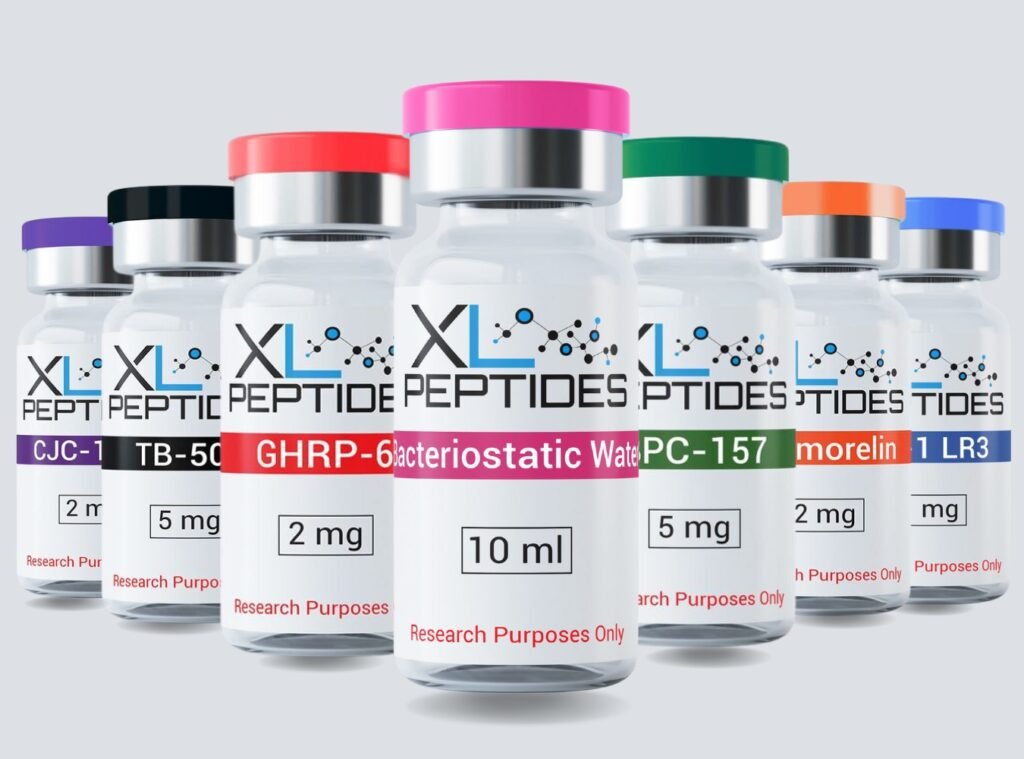
The market for research peptides in the United Kingdom has grown significantly in recent years, driven by increasing scientific interest and ongoing developments in biotechnology. Whether you are a researcher, academic, or someone exploring emerging compounds, understanding how to safely and responsibly purchase peptides in the UK is essential. This guide covers everything you need to know—from legality and quality checks to sourcing and storage.
Understanding Research Peptides
Peptides are short chains of amino acids that play a crucial role in biological processes. In the research context, they are used in laboratory studies to explore areas such as metabolism, cellular signaling, and drug development. Unlike pharmaceutical-grade medications, research peptides Uk are typically sold for laboratory use only and are not approved for human consumption.
This distinction is particularly important in the UK, where regulatory oversight is strict. Buyers should always ensure that the peptides they purchase are clearly labeled for research purposes and are handled in accordance with relevant guidelines.
Legal Landscape in the UK
Before purchasing peptides, it’s vital to understand the regulatory environment. In the UK, peptides are not outright illegal, but their sale and use are controlled depending on how they are marketed and intended to be used. Products sold as research chemicals are generally allowed, provided they are not advertised for medical or human use.
Regulatory bodies such as the Medicines and Healthcare products Regulatory Agency (MHRA) monitor the market closely. If a supplier markets peptides with therapeutic claims, those products may be classified as medicines and require authorization.
For buyers, this means:
- Only purchase from suppliers that clearly state “for research use only”
- Avoid products making medical or health claims
- Stay informed about updates in UK regulations
Choosing a Reliable Supplier
One of the biggest challenges in the UK peptide market is identifying trustworthy suppliers. With many online stores offering similar products, quality and authenticity can vary widely.
When evaluating a supplier, consider the following:
1. Transparency and Documentation
Reputable suppliers provide Certificates of Analysis (COAs) for their products. These documents verify purity levels and confirm that the peptide has undergone third-party testing.
2. Product Quality
Look for suppliers that offer high-purity peptides (typically 98% or higher). Low-quality peptides can compromise research results and may contain unwanted impurities.
3. Reputation and Reviews
Check independent reviews, forums, or communities where researchers discuss their experiences. Consistent positive feedback is a good indicator of reliability.
4. Clear Product Labeling
All products should be clearly labeled as research chemicals. Ambiguous labeling is a red flag.
If you are searching online, you may come across terms like pure peptides uk when evaluating vendors. While this can be a helpful keyword, always verify the supplier beyond marketing claims.
Pricing and Payment Considerations
Pricing for peptides in the UK can vary based on purity, supplier reputation, and demand. While it may be tempting to choose the cheapest option, extremely low prices often indicate compromised quality.
Common payment methods include:
- Credit/debit cards
- Cryptocurrency (popular for privacy)
- Bank transfers
Ensure that the website uses secure payment gateways and encryption to protect your information.
Shipping and Delivery in the UK
Most UK-based peptide suppliers offer domestic shipping, which reduces the risk of customs delays or seizures. However, if you are ordering from outside the UK, you should be aware of potential import restrictions.
Key points to consider:
- Domestic suppliers are generally safer and faster
- International shipments may be subject to inspection
- Discreet packaging is commonly offered by reputable vendors
Always check the supplier’s shipping policies, including delivery times and return options.
Storage and Handling
Proper storage is essential to maintain peptide stability and effectiveness for research purposes. Most peptides are supplied in lyophilized (freeze-dried) form, which extends shelf life.
General storage guidelines include:
- Store in a cool, dry place before reconstitution
- After mixing, keep refrigerated (typically 2–8°C)
- Avoid repeated freeze-thaw cycles
- Use sterile techniques when handling
Failure to follow proper storage practices can degrade the peptide and affect research outcomes.
Avoiding Common Mistakes
Many buyers—especially beginners—make avoidable mistakes when purchasing peptides. Here are some to watch out for:
Buying from Unverified Sources
Unverified suppliers may sell counterfeit or contaminated products.
Ignoring COAs
Skipping verification of lab reports increases the risk of poor-quality peptides.
Focusing Only on Price
Cheap products often come at the cost of quality and reliability.
Misunderstanding Legal Use
Using research peptides outside their intended purpose can lead to legal and safety issues.
Trends in the UK Peptide Market
The UK market continues to evolve, with increasing demand for newer compounds and advanced formulations. Peptides such as GLP-1 analogs and multi-agonists are gaining attention in research settings.
Additionally, more suppliers are adopting stricter quality control measures, including:
- Third-party testing
- Batch tracking
- Improved packaging standards
These trends are helping to improve overall trust in the market, though due diligence is still required from buyers.
Final Thoughts
Buying peptides in the UK requires a careful and informed approach. While the market offers many opportunities for research and exploration, it also comes with challenges related to quality, legality, and supplier reliability.
To summarize:
- Understand the legal framework before purchasing
- Choose suppliers with verified quality and transparency
- Prioritize research-grade products over marketing claims
- Follow proper storage and handling procedures
Whether you are new to the field or an experienced researcher, taking these steps will help ensure a safer and more effective experience when sourcing research peptides in the UK.
By focusing on reputable vendors and maintaining high standards, you can confidently navigate the growing landscape of peptide research in the UK.