
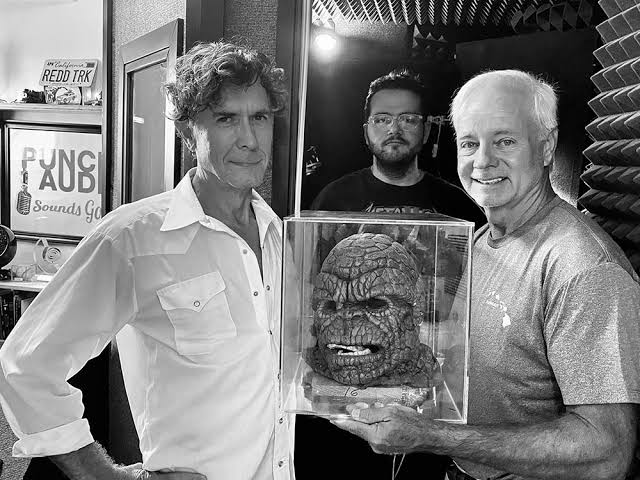
Alex Hyde-White has spent nearly five decades building a quietly impressive career in film and television, yet many people still search for details about who he actually is. Born in London and raised partly in Southern California, he carved out a niche as a dependable character actor across dozens of well-known productions. This article brings together verified facts, career highlights and lesser-known details about Alex Hyde-White in one accessible guide.
Whether you recognise him from Pretty Woman, The Fantastic Four, or more recent appearances in Nope and Landman, there is far more to his story than a single credit suggests. Consequently, this piece explores his background, breakout moments, family connections and ongoing work, giving you a thorough and trustworthy picture of Alex Hyde-White’s place in Hollywood history.
Who Is Alex Hyde-White?
Alex Punch Hyde-White was born on 30 January 1959 in London, England, making him a British-American actor with roots firmly planted on both sides of the Atlantic. He is the son of celebrated English actor Wilfrid Hyde-White, known for his droll, upper-class screen persona, and Ethel M. Korenman, a stage manager who performed under the name Ethel Drew. This heritage placed young Alex around theatre and film sets from an early age.
Although born in London, Hyde-White was largely raised in Palm Springs, California, where he attended Palm Springs High School and reportedly lettered in baseball, tennis and golf. He briefly attended Georgetown University in Washington, D.C. at just sixteen before leaving to pursue acting professionally. This blend of British heritage and American upbringing shaped both his identity and his transatlantic career opportunities.
In 1978, at eighteen, he signed with Universal Pictures as one of the last so-called “contract players” in Hollywood, a group that also included Jamie Lee Curtis and Lindsay Wagner. Since then, Alex Hyde-White has remained active in the industry as an actor, producer and director, amassing well over ninety screen credits across television, film and stage work.
Career Highlights of Alex Hyde-White
Hyde-White’s earliest television work included small roles in Battlestar Galactica and Buck Rogers in the 25th Century, both staples of late-1970s science fiction television. Notably, his casting in Battlestar Galactica reportedly came about because his father was appearing in the pilot, prompting Universal to screen-test father and son together using dialogue from one of Wilfrid’s plays. This unusual family audition helped launch his screen career properly.
As his profile grew, Alex Hyde-White took on increasingly recognisable roles, including industrialist heir David Morse in the hit romantic comedy Pretty Woman. He later portrayed Union Civil War general Ambrose P. Burnside in the historical epic Gods and Generals, demonstrating his range across genres and eras. He also appeared briefly in two Steven Spielberg films, Indiana Jones and the Last Crusade and Catch Me if You Can, further cementing his presence in mainstream cinema.
Perhaps his most widely discussed role came in 1994, when he became the first actor to portray Reed Richards, also known as Mr Fantastic, in the original Fantastic Four film adaptation. Decades later, he returned to the Marvel universe in a supporting capacity, appearing in The Fantastic Four: First Steps. This full-circle connection to the character remains one of the most frequently cited facts about Alex Hyde-White among comic book fans.
Notable Roles and Recognisable Credits
Beyond his headline-grabbing roles, Alex Hyde-White has built a remarkably consistent presence on American television, appearing in acclaimed series such as The West Wing, Bones, Criminal Minds, and NCIS. He also featured in Dexter, The Mentalist, and Shameless, showing his ability to move comfortably between procedural dramas and character-driven storytelling. These guest appearances, though often brief, showcase his reliability as a working actor across genres.
More recently, audiences have spotted him in Landman, Reasonable Doubt, and the true-crime drama Dahmer – Monster: The Jeffrey Dahmer Story, proving his continued relevance in contemporary television. He additionally appeared in Jordan Peele’s acclaimed horror film Nope, indicating that Alex Hyde-White remains sought after for both mainstream studio projects and prestige productions. His filmography spans science fiction, drama, comedy and horror.
In 2008, he took a more central role, starring in and producing the independent feature The Reflecting Pool, which followed a journalist investigating conspiracy theories surrounding the 9/11 attacks. This project highlighted his interest in producing and directing, not merely acting, and reflected a willingness to tackle challenging, issue-driven material outside conventional studio structures.
Alex Hyde-White’s Path to Hollywood
Hyde-White’s entry into acting was arguably shaped by circumstance as much as ambition, given his father’s established Hollywood career. However, he did not simply coast on family connections; instead, he actively pursued formal training and stage experience, including making his Broadway debut at just twenty-three years old. This early theatre grounding gave him a technical foundation that supported his later television and film work.
Throughout the 1980s and 1990s, Alex Hyde-White steadily built credibility through supporting roles rather than a single breakout blockbuster. This slower, more gradual trajectory is common among character actors, and it ultimately allowed him longevity that many overnight successes never achieve. Consequently, he became known within the industry as a dependable, professional presence on set, valued for consistency rather than headline stardom.
Alongside acting, he founded Punch Audio, a Hollywood-based collective of narrators and editors producing audiobooks for independent authors worldwide. This venture reflects his broader interest in storytelling beyond the screen, using his voice and production experience to support other creators. It also demonstrates how Alex Hyde-White diversified his career across adjacent creative industries.
Important Facts About Alex Hyde-White
Family connections remain a significant part of his story. His first marriage was to actress Karen Dotrice, star of Mary Poppins, from 1986 until 1992, and he later married producer and director Shelly Bovert in 1997. Interestingly, both he and his former father-in-law, actor Roy Dotrice, made guest appearances on the science fiction series Babylon 5, an unusual family coincidence often noted by dedicated fans researching Alex Hyde-White’s biography.
His nickname, “Punch,” stems from childhood and remains part of his full name, Alex Punch Hyde-White, used in several official credits and biographical listings. Meanwhile, his father Wilfrid Hyde-White appeared in over 160 film and television roles between 1935 and 1987, setting a considerable creative legacy for his son to follow. Understanding this family lineage helps contextualise Alex Hyde-White’s own approach to a long, steady acting career.
It is also worth noting his creative work behind the camera, including directing the documentary Three Days (of Hamlet), which followed him staging a reading of Hamlet while reflecting on his father’s legacy. This project merged personal memoir with theatrical performance, offering insight into how Alex Hyde-White processes his family history through creative work rather than simply discussing it publicly.
Common Mistakes to Avoid When Researching Him
One frequent error involves confusing Alex Hyde-White with his father, Wilfrid Hyde-White, particularly given their shared surname and overlapping industry presence. Although both had significant careers, they belong to different generations and appeared in largely different productions, so conflating their filmographies leads to inaccurate conclusions. Always check birth years and specific credits before attributing a role to either actor.
Another common mistake is assuming his Fantastic Four appearance was a starring blockbuster role rather than a supporting or ensemble part, particularly in the 1994 version, which was never officially released theatrically. Understanding the context behind that production helps avoid overstating its commercial impact while still recognising its cultural significance among fans. Accuracy matters, especially when writing about lesser-documented film history.
Finally, some sources inconsistently list his year of birth or the spelling of his full name, so cross-referencing reputable databases such as IMDb, TMDB, and Wikipedia is essential. Relying on a single unverified source can perpetuate small factual errors across the internet. Therefore, careful researchers should compare multiple credible references before publishing biographical claims about Alex Hyde-White.
Expert Tips and Best Practices for Fans and Researchers
If you are researching Alex Hyde-White for academic, journalistic or fan purposes, start with primary databases like IMDb and TMDB, then cross-check family details against Wikipedia’s citations. This layered approach ensures accuracy, particularly around dates, marriages and lesser-known credits that are easy to misreport. Additionally, official archives like Battlestar Wiki offer useful context for his earliest television roles.
For fans interested in his full range, watching beyond his most famous credits is worthwhile; his procedural television guest spots reveal versatility that blockbuster roles alone do not capture. Exploring The Reflecting Pool also offers insight into his interests as a producer, not solely as a performer. This broader view provides a fuller appreciation of his contribution to film and television.
Those studying Hollywood family dynasties should also consider Alex Hyde-White as a compelling case study, given his balance between honouring his father’s legacy and establishing independent credibility. Rather than simply trading on the Hyde-White name, he built a varied résumé across genres and formats. This makes him a genuinely interesting subject for anyone examining multigenerational acting careers.
Comparison Table: Key Career Milestones
| Feature | Description | Benefits | Drawbacks |
| Early TV roles (Battlestar Galactica, Buck Rogers) | Supporting sci-fi roles in the late 1970s | Launched his screen career early | Limited screen time, minor recognition |
| Pretty Woman (1990) | Played industrialist heir David Morse | High-profile mainstream visibility | Supporting, not lead, role |
| The Fantastic Four (1994) | First actor to play Reed Richards | Cult and comic fan recognition | Film never received theatrical release |
| Gods and Generals (2003) | Portrayed General Ambrose Burnside | Demonstrated dramatic range | Historical epic had limited box office success |
| The Reflecting Pool (2008) | Starred in and produced independent drama | Showed producing and directing ability | Niche, low-budget distribution |
| The Fantastic Four: First Steps | Returned to Marvel franchise decades later | Renewed contemporary relevance | Reportedly a smaller supporting role |
Future Outlook of Alex Hyde-White
Given his continued presence in recent, high-profile projects such as Landman and The Fantastic Four: First Steps, Alex Hyde-White shows no signs of slowing down creatively. His willingness to accept varied supporting roles suggests he will likely keep appearing in prestige television and franchise films alike. This adaptability has arguably been key to his career longevity across nearly five decades.
Moreover, his production work through Punch Audio and past directing projects indicates a continued interest in storytelling beyond acting alone. As streaming platforms create demand for experienced character actors and voice talent, Alex Hyde-White appears well positioned to remain active in multiple creative capacities. His diverse skill set offers flexibility that purely on-screen performers sometimes lack.
Ultimately, as interest in legacy Hollywood families and franchise history continues to grow online, searches for Alex Hyde-White are likely to increase, particularly among comic book audiences revisiting Fantastic Four history. This renewed attention may prompt further documentaries, interviews or retrospectives examining his career alongside his father’s. Consequently, his public profile seems set to grow rather than fade.
Conclusion
Alex Hyde-White’s career demonstrates how steady, versatile work can build lasting industry respect without relying on a single blockbuster moment. From his early sci-fi television roles to his return in The Fantastic Four: First Steps, his filmography reflects genuine longevity and adaptability across decades. Understanding his full story provides valuable context for anyone interested in character actors and Hollywood family legacies.
Ultimately, Alex Hyde-White remains a compelling figure precisely because his career resists easy summary, spanning genres, formats and creative roles both in front of and behind the camera. Whether approached through his acting, producing, or family history, his contribution to film and television is genuinely worth recognising and researching further.
FAQs
Q1. Who is Alex Hyde-White related to?
Alex Hyde-White is the son of British actor Wilfrid Hyde-White. He was previously married to actress Karen Dotrice, whose father, Roy Dotrice, also worked alongside him professionally on Babylon 5.
Q2. What is Alex Hyde-White best known for?
He is best known for playing Reed Richards in the 1994 Fantastic Four film, David Morse in Pretty Woman, and General Ambrose Burnside in Gods and Generals, alongside numerous television guest roles.
Q3. Did Alex Hyde-White return for The Fantastic Four: First Steps?
Yes, Alex Hyde-White appeared in The Fantastic Four: First Steps, decades after originating the Reed Richards role in 1994, marking a notable full-circle moment in his career.
Q4. Where was Alex Hyde-White born?
Alex Hyde-White was born on 30 January 1959 in London, England, though he was largely raised in Palm Springs, California, giving him a distinctly transatlantic upbringing and career.
Q5. Is Alex Hyde-White still acting today?
Yes, he remains active, with recent credits including Landman, Nope, Reasonable Doubt, and Dahmer – Monster: The Jeffrey Dahmer Story, alongside continued producing work through Punch Audio.