

The M1 motorway is one of the most important roads in the United Kingdom, linking London to Yorkshire and facilitating heavy daily traffic. Unfortunately, the high volume of vehicles often leads to collisions. An accident at M1 can disrupt journeys, create long delays, and pose serious risks to drivers. Staying informed about any incidents is vital for commuter safety and traffic management.
Emergency services and motorway authorities provide live updates to ensure drivers can navigate safely around affected areas. Whether it’s a minor collision or a multi-vehicle crash, accurate and timely information helps reduce the impact of an accident at M1. Drivers are advised to check traffic apps, official websites, and local news before setting off.
Overview of Recent Accidents on M1
Recent weeks have seen several accidents on the M1, affecting both northbound and southbound lanes. A serious accident at M1 occurred at A637 Bretton near Junction 38 on a Sunday, leading to lane closures and emergency response. Similarly, an incident near Junction 33 today caused significant congestion, with emergency crews attending promptly to assist those involved.
Other notable incidents include the accident at Junction 21A of M1 on 28th May and accidents near Loughborough and Newport Pagnell. Each collision highlights the risks present on this busy motorway and the importance of adhering to safety rules. Keeping updated with live reports of an accident at M1 ensures drivers avoid delays and navigate safely.
Accident at M1 Junctions and Key Locations
Certain junctions on the M1 are more prone to accidents due to high traffic and complex road layouts. Junction 21A, for example, has frequently seen collisions affecting both northbound and southbound lanes. An accident at M1 near Junction 30 recently caused temporary closures, while Junction 15 remains a hotspot for delays due to frequent crashes.
Other locations, including Rugby, Woodall Services, and Meadowhall, have also reported incidents. Awareness of these accident-prone areas is crucial for planning journeys. Drivers can reduce risk by choosing alternative routes or checking updates in real time when an accident at M1 is reported.
Traffic Delays and Road Closures Due to Accidents
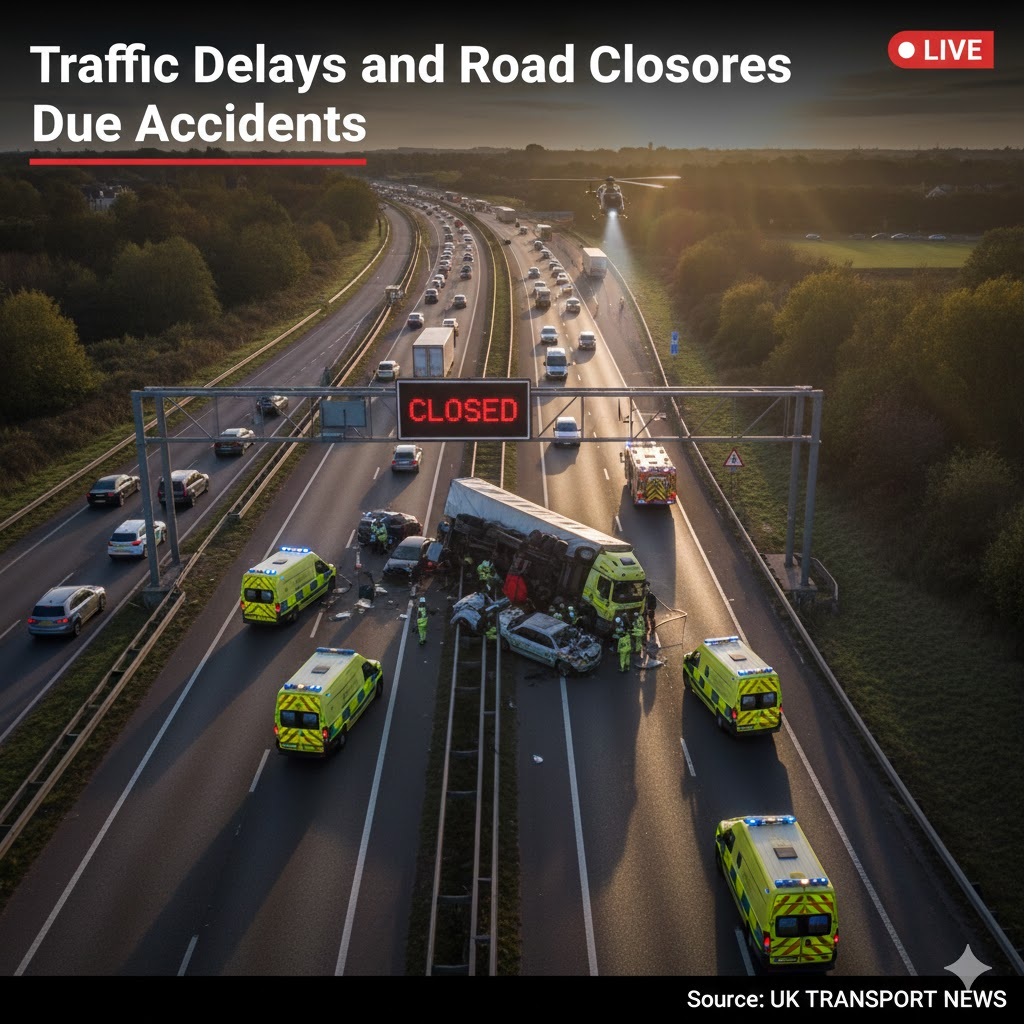
Accidents on the M1 often result in extensive traffic delays, particularly during peak hours. Lane closures following an accident at M1 can affect commuters for several hours, with emergency services working to clear the scene efficiently. Southbound sections near Junction 12, for instance, have seen significant congestion due to crashes.
Alternative routes and live traffic information are essential for avoiding long waits. Apps, radio updates, and motorway information boards provide real-time data on accidents. By following these updates, drivers can prevent being caught in gridlock caused by an accident at M1 and ensure a smoother journey.
Causes of Accidents on M1 and Safety Tips
Several factors contribute to accidents at M1, including speeding, poor visibility, adverse weather, and distracted driving. Multi-vehicle pile-ups and single-car collisions are common, leading to traffic congestion and increased travel times. Recognising these risks helps drivers make better decisions and drive cautiously.
Safety measures include maintaining a safe distance, obeying speed limits, and avoiding distractions such as mobile phones. In the event of an accident at M1, drivers should stay calm, follow emergency instructions, and report the incident to authorities. Quick and proper response reduces the severity of accidents and improves overall motorway safety.
Historical Accidents and Lessons Learned
The M1 has a long history of road accidents, providing valuable lessons for drivers and authorities alike. Past incidents, such as the M1 accident near Pets at Home on 29th May 2015 and the crash at Meadowhall on 7th June, demonstrate the risks present on the motorway. Historical data helps authorities improve road safety measures.
Understanding previous incidents can guide drivers in avoiding high-risk areas. Lessons from past collisions emphasise vigilance, adherence to road rules, and awareness of accident-prone junctions. Being informed about historical accidents helps prevent future incidents and keeps the motorway safer for all travellers.
Conclusion
Accidents at M1 can happen at any time, causing delays, injuries, and even fatalities. Staying informed about live traffic updates, road closures, and accident-prone areas is essential for safe journeys. Drivers must prioritise safety, follow road signs, and plan alternative routes to avoid the disruptions caused by an accident at M1.
Awareness, caution, and timely information are key to navigating the M1 motorway safely. Whether travelling northbound or southbound, understanding the risks and adhering to safety guidelines reduces the chances of involvement in an accident. Always check for updates before starting your journey to ensure a smooth and safe drive.