
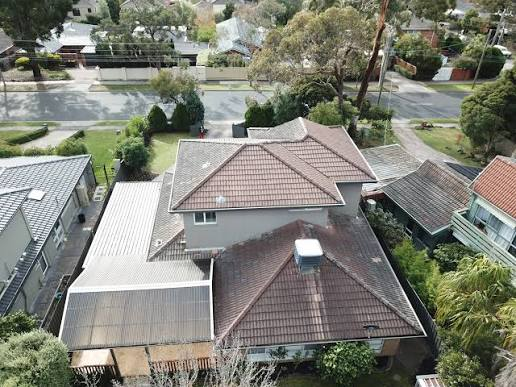
A home is one of the largest investments a person will ever make, and the roof is its primary line of defense. Property owners often forget about the structure above their heads until water begins to drip from the ceiling. In a city known for experiencing four seasons in a single day, leaving your property’s health to chance can lead to sudden, expensive structural problems. Taking care of your property starts with understanding what happens on top of it before small issues turn into major emergencies.
When it comes to maintaining safety and property value, scheduling a regular house roof inspection is the most reliable step a homeowner can take. Catching small cracks, shifted tiles, or blocked drainage pathways early keeps your living space dry and secure. This guide breaks down the essential aspects of roof health, local environmental challenges, and the latest methods professionals use to keep your home protected.
The Core Benefits of Checking Your Roof Regularly
Many people delay booking an assessment because they worry about immediate costs. However, being proactive saves significant amounts of money over time. Understanding the specific advantages of routine checks helps clarify why property maintenance matters.
1. Stopping Water Damage Before It Spreads
A small leak rarely stays small. Water finds the path of least resistance, trickling past your roofing material, through the insulation, and into your ceiling plaster. By the time you notice a brown spot on your ceiling, the internal timber frame may have been damp for months, creating a perfect environment for mold and wood rot. Regular visual checks catch these entry points when they only require minor sealant or a single tile replacement.
2. Extending the Lifespan of Materials
Roofing materials like concrete tiles, terracotta, and metal sheets are built to last for decades, but they are not entirely immune to wear. Minor issues like loose screws on metal roofs or decaying mortar on tile ridge caps compromise the whole system. Fixing these minor components as they wear out ensures that the primary materials reach their full expected lifespan without needing a premature, costly replacement.
3. Supporting Insurance Claims
If a severe storm hits your neighborhood, your insurance provider will look closely at the pre-existing condition of your home. If a roof fails because of long-term neglect, such as rusted sections or pre-existing cracks, the provider may deny the claim. Having a recent assessment report proves that you maintained the property responsibly, making the claims process much smoother if sudden storm damage occurs.
Common Environmental Challenges for Melbourne Roofs
Local weather patterns present specific hazards that accelerate wear on residential properties. Property owners must stay alert to these distinct issues throughout the year.
- Wind Uplift Damage: Strong wind gusts push underneath loose tiles or metal sheets, slowly prising them away from the structural deck. This often happens at the corners and edges of a house.
- Thermal Expansion: Sudden shifts from high summer heat to cool evening rain cause metal and clay to expand and contract rapidly. Over time, this stress leads to cracks in protective coatings and brittle tiles.
- Moss and Algae Growth: Shaded sections of a roof that stay damp during the cooler months encourage moss growth. Moss acts like a sponge, holding water against the surface and causing concrete tiles to degrade.
- Gutter and Drainage Blockages: Falling leaves and twigs quickly clog downpipes. When heavy rain falls, blocked gutters cause water to flow backward under the lower edge of the roof, flooding the eaves.
| Risk Factor | Common Visual Warning Sign | Recommended Action |
| Wind Exposure | Lifted or misaligned perimeter tiles | Secure or replace fixing clips |
| Extreme Heat | Fine cracks in tile mortar or faded seals | Repoint mortar and apply sealant |
| Debris Accumulation | Water spilling over gutter edges during rain | Clear gutters and install leaf guards |
Current Trends in Modern Roof Care
The roofing industry relies on new practices to make assessments safer and more reliable for homeowners. Property maintenance is moving away from guesswork and toward clear, data-driven checks.
Aerial Drone Technology
Using drones is becoming standard practice for high-level property checks. Instead of walking on steep or brittle surfaces, which risks breaking fragile terracotta tiles, inspectors fly specialized drones to capture high-definition photographs from every angle. This approach reveals damaged flashing around chimneys and valleys without putting anyone at risk or causing accidental foot-traffic damage to the structure.
Heat-Reflective Protective Coatings
Homeowners want to lower their energy bills while protecting their structures. Modern roof restoration work frequently includes the application of specialized, light-colored coatings that bounce solar heat away from the building. This reduces the temperature inside the ceiling cavity during peak summer days, protecting internal insulation and reducing the load on home cooling systems.
What Happens During a Professional Inspection?
A comprehensive professional assessment covers much more than just looking at tiles from the driveway. A trained professional looks at several key zones to understand the true state of the structure.
1.External Surface Analysis:Step 1.
The technician reviews the alignment of all tiles or metal sheets, searching for corrosion, physical chips, or sections affected by wind uplift.
2.Flashing and Joint Review:Step 2.
They check the metal flashing installed around chimneys, skylights, valleys, and vents to ensure the seals remain watertight.
3.Gutter and Drainage Check:Step 3.
The specialist examines downpipes, valleys, and gutter slope to confirm that rainwater flows away from the foundations without pooling.
4.Internal Roof Cavity Verification:Step 4.
If accessible, the inspector enters the attic space to look for damp insulation, light filtering through holes, or water stains on the timber trusses.
Final Thoughts
Your roof works constantly to keep your family and belongings safe from unpredictable weather. Ignoring this critical layer of protection can turn minor, affordable fixes into major financial burdens that compromise your home’s structural integrity. Scheduling regular assessments gives you clear data, helps you plan your maintenance budget, and ensures your home remains safe for years to come. Take a look at your property today, keep track of its age, and book a professional check before the next major storm season arrives.