
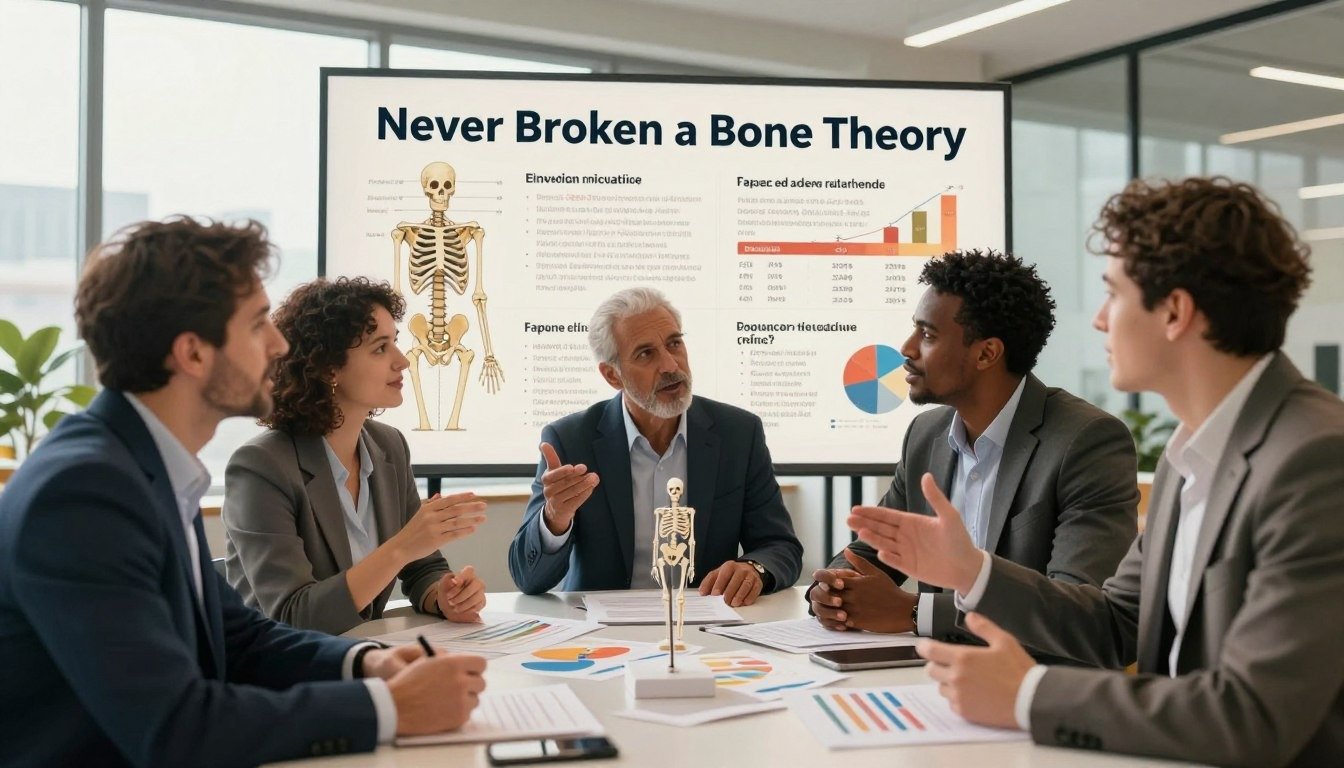
Ever wondered why some people seem to have invincible skeletons? I’m exploring the never broken a bone theory to find out. It’s a mix of genetics, daily habits, and the environment.
I aim to shed light on how we keep our bones healthy. I want to show you the science behind why some people avoid injuries. By looking into these secrets, we can boost our own bone strength.
It’s about your DNA or your choices in life. There’s a lot to learn about staying strong. Let’s dive into the evidence and see what keeps our bones strong.
Key Takeaways
- Genetics play a big role in your bone density and strength.
- What you eat and how you exercise are key for long-term health.
- Environmental factors affect how your body handles stress over time.
- Knowing your body’s unique traits can help prevent injuries.
- Bone strength comes from both your genes and daily habits.
The Rise of the Never Broken a Bone Theory in Health Circles
My research into modern wellness trends has uncovered the never broken a bone theory. This idea is becoming more popular in online forums and social media. People share their health stories there.
This trend is not just a fleeting interest. It shows a deeper interest in human resilience. Many are searching for patterns in their lives. They want to understand why some people stay physically strong.
Defining the Phenomenon
This phenomenon is about people who have never broken a bone. It’s about studying exceptional skeletal integrity. They face risks every day but stay safe.
When we talk about this, we’re looking at how to protect the body. The goal is to improve bone health. People study these individuals to see if their habits can be followed.
Why This Topic is Trending in the United States
In the United States, there’s a big move toward proactive wellness. People want to prevent injuries, not just treat them. They aim for physical longevity.
This desire for a healthy body has made the never broken a bone theory popular. Health-conscious Americans look for science-backed ways to keep their bone health strong. They want to stay strong well into old age.
By looking at these trends, I hope to understand what people mean when they talk about this unique status. It’s clear that many value strength and stability in our culture.
Biological Factors Behind Bone Resilience
The secret to strong bones lies deep within us. Our bones are set up before we even take our first steps. While what we do outside affects our bones, our internal makeup is key.
The Role of Genetics in Skeletal Integrity
Genetics shape our bones. Your DNA sets the peak bone mass you can reach in your youth. This genetic blueprint guides how well your bones stay strong as you age.
Many inherited traits affect your bone health. These include:
- Bone size and shape, which affect how weight is spread.
- Metabolic rates that influence how well your body takes in minerals like calcium.
- Hormonal regulation, key in bone remodeling.
Knowing your family’s health history is powerful. Even with a genetic lean towards lower density, being aware lets you take steps to support your bones. You’re not fixed by your DNA, but knowing it helps you make better choices.
Understanding Bone Density and Structural Composition
Bone density is how much mineral matter is in your bones. It’s like the density of the material in your skeleton. Higher density means lower fracture risk, as bones can better absorb shock.
Your bones are not static; they’re a dynamic, living tissue. They constantly break down and rebuild. This cycle is vital for keeping bones strong and resilient against daily damage.
When bone formation and resorption rates are balanced, your bones stay strong. I think this balance is the secret to never breaking a bone. By supporting this natural process, you give your body the best chance to stay strong all your life.
Lifestyle Habits That Support the Never Broken a Bone Theory
Building a strong skeleton starts with daily choices. I focus on nutrition and movement. A strong bones lifestyle is key for long-term skeletal health. By making these choices, I help my body stay resilient, no matter my genes.
Nutritional Foundations for Stronger Bones
My bones need specific nutrients to stay strong. I eat foods rich in minerals for bone health. Calcium and Vitamin D are essential for me.
To keep my body nourished, I follow these dietary habits:
- I eat dairy or fortified plant-based alternatives for calcium.
- I add leafy greens like kale and spinach to my meals for minerals.
- I spend time outside to boost Vitamin D from sunlight.
- I watch my magnesium and potassium intake for bone health.
The Impact of Physical Activity on Bone Strengthening Exercises
Nutrition is not enough for strong bones. I also need to exercise to make them stronger. Regular bone strengthening exercises help my bones grow. This makes them denser and stronger.
Weight-bearing activities are best for my bones. They make my bones more durable. My routine includes various bone strengthening exercises to keep my joints and frame healthy.
By sticking to these habits, I’m protecting my bones for the future. A strong bones lifestyle is about building a lasting foundation, not just avoiding injuries.
Debunking Myths Surrounding Bone Fractures
Keeping your bones healthy means knowing what’s true and what’s not. Online, there’s a lot of advice that’s not backed up by facts. I want to help you find the best ways to prevent bone fractures.
Separating Anecdotal Evidence from Clinical Reality
It’s tempting to believe stories from friends or influencers. But these stories don’t stand up to clinical research. Real safety comes from studies, not just personal tales.
Look for big studies, not just what you hear. Ignoring science can lead you away from the best bone health tips. Understanding your body is key, not just following trends.
Common Misconceptions About Bone Health Tips
Some think drinking more milk or taking supplements will protect their bones. But it’s not that simple. Keeping bones strong needs a mix of exercise and the right nutrients.
Some advice might even be harmful if it ignores doctor’s orders. Here’s what science says is true and what’s not.
| Common Myth | Clinical Reality | Actionable Advice |
| Only calcium supplements prevent breaks | Vitamin D and K2 are essential for absorption | Focus on a diverse, nutrient-rich diet |
| High-impact sports are always bad | Controlled stress builds bone density | Consult a trainer for safe loading |
| Bone health is only for the elderly | Peak bone mass is built in youth | Start healthy habits early in life |
| Milk is the only source of calcium | Leafy greens and fortified foods work well | Diversify your calcium intake sources |
“Evidence-based practice is the cornerstone of long-term health, ensuring that the steps you take today provide real protection for your future.”
— Medical Research Consensus
Choosing evidence-based bone health tips is a smart move. Always check your sources before making changes. Your bones will appreciate the extra care.
The Science of Osteoporosis Prevention Strategies
Understanding bone health is key to keeping your body mobile for years. Daily habits are important, but adding osteoporosis prevention strategies to your routine is even more critical. It helps protect your bones.
Identifying Risk Factors Early
It’s vital to catch health issues early. Many people ignore signs like hormonal shifts or becoming more sedentary. These can harm your bone density over time.
Family history is also important. Knowing your risk can help your doctor create a plan. This plan will focus on osteoporosis prevention strategies that fit your needs.
How Modern Medicine Approaches Bone Health
Today, we have better ways to check our bones. The DEXA scan is a top tool. It measures bone mineral density accurately.
If lifestyle changes aren’t enough, doctors might suggest medicine. These treatments help keep your bones strong. Using these osteoporosis prevention strategies helps you stay active and independent at any age.
Environmental and Behavioral Influences on Fracture Risk
Learning to avoid injury often means changing how we interact with our surroundings. While it’s important to have internal strength, most accidents come from outside factors. By focusing on bone fractures prevention, we can keep our bones strong for life.
Safety Measures and Injury Prevention
Making your living space safe is key to keeping your bones healthy. Remove loose rugs, improve hallway lighting, and install grab bars in bathrooms. These steps can greatly reduce the chance of falls.
When outdoors, watch out for uneven pavement and ice. Wearing shoes with good grip is essential for staying balanced. Being aware of your surroundings helps you move more confidently.
The Connection Between Daily Movement and Bone Health
Regular, low-impact activities are great for keeping bones strong. Moving regularly stimulates cells that help maintain bone density. This keeps your bones resilient and adaptable to daily life.
Activities like walking, swimming, or gentle yoga are beneficial. They strengthen muscles, improve coordination, and balance. Making these habits a priority is vital for bone fractures prevention and supports your body long-term.
Expert Perspectives on Maintaining Skeletal Health
Keeping our bones strong is a journey that benefits from orthopedic specialists’ wisdom. It’s about balancing natural aging with proactive care to stay mobile. Listening to those who treat bone injuries daily helps us understand how to keep our bones strong.
Insights from Orthopedic Specialists
Orthopedic surgeons say our bones are living tissues that constantly change. They tell us we can’t change our genetics but can influence our environment with daily habits. Consistency is key in preventing skeletal damage.
Experts say focusing on load-bearing activities early in life is best. Building a strong foundation in your youth makes a big difference later. It’s never too late to start, but starting early is best for skeletal health.
What Research Says About Long-Term Bone Density Improvement
Looking at clinical data, bone density improvement is possible but has limits. Studies show we can increase bone mass with resistance training, but growth slows with age. It’s important to have realistic goals for these interventions.
Research shows proper nutrition and mechanical stress are key for success. Without enough calcium and vitamin D, the body can’t fully benefit from exercise for bone density improvement. Medical professionals see these as essential parts of a healthy lifestyle.
The goal is not just to increase bone density numbers but to maintain strength. By following evidence-based strategies, you support your body’s natural repair abilities. A balanced, expert-led approach is the best way to ensure a healthy and active future.
The Never Broken a Bone Theory in the Context of Aging
Keeping your body strong is a lifelong journey. It changes as you get older. Understanding how your bones work is key to staying active.
Focus on bone health now to stay independent and mobile later.
How Bone Health Evolves Over a Lifetime
When we’re young, our bodies are great at fixing and growing tissue. But as we age, our bones start to break down faster than they can rebuild. This is a normal part of aging, but it means we need to pay more attention to our daily habits.
“The secret to longevity is not just avoiding injury, but actively nourishing the foundation that supports your entire life.”
Your bones have different needs as you get older. Regular check-ups can help spot problems early. This way, you can make choices that keep your bones strong.
Maintaining Mobility and Strength as You Age
Adapting your lifestyle can help your bones. Consistency is key to keeping your strength and balance. Here are some easy tips to add to your routine:
- Weight-bearing exercises: Walking or light resistance training helps keep bones dense.
- Nutrient-rich diet: Eat foods high in calcium and vitamin D to support bone health.
- Fall prevention: Make your home safe to avoid falls and keep your movements steady.
Your goal is to stay active and listen to your body. By making these changes, you can keep living a vibrant, independent life. Remember, bone health is a journey. Every step you take today makes your future stronger.
Conclusion
Your journey to lifelong skeletal health begins with small habits today. Understanding your body is the first step to lasting physical freedom.
You have the power to improve your bone density with smart choices. Eating nutrient-rich foods and staying active build a strong foundation. Brands like Osteo Bi-Flex help, but your commitment is key.
See your skeletal system as a living part of you that changes with your lifestyle. Small changes in your routine can lead to big improvements in stability and mobility as you get older.
Take control of your physical health by staying informed and active. Your bones need the same care as your heart or muscles. Begin your journey to a stronger, more resilient future today.
FAQ
What exactly is the never broken a bone theory that I keep hearing about?
The never broken a bone theory is really interesting. It talks about why some people never get a bone fracture. It says it’s because of good genes, strong bones, and a healthy lifestyle. It’s not just luck; it’s also about taking care of your bones every day.
Can I really see significant bone density improvement if I start late in life?
Yes, you can. It’s easier to build bone when you’re young, but research shows you can do it later too. The Mayo Clinic says you can improve bone density with exercise and supplements. I recommend weight-bearing activities and supplements like Citracal if you’re not getting enough minerals.
What are the best bone strengthening exercises for someone at high risk for injury?
For preventing bone fractures, start with low-impact exercises. Walking in Brooks shoes, doing Tai Chi for balance, or using TheraBand for strength are great. These exercises help build bone without hurting your joints.
I want to avoid medication, so what are some natural osteoporosis prevention strategies?
Prevention starts with diet and exercise. Eat foods rich in Calcium and Vitamin D, like leafy greens and salmon. The Bone Health & Osteoporosis Foundation also says to avoid smoking and limit alcohol to keep your bones strong.
Are there any specific bone health tips for people who sit at a desk all day?
Sitting too much is bad for your bones. Take breaks to stand and do squats or calf raises. This helps your body know it needs to keep your bones strong, even when you’re not at the gym.
How does modern medicine help me track my progress in maintaining my skeleton?
Ask your doctor for a DEXA scan to check your bone health. Brands like Hologic and GE Healthcare make the technology for these scans. They let you see if your lifestyle changes are working to keep your bones strong as you get older.
You May Also Read: UK Headlines