
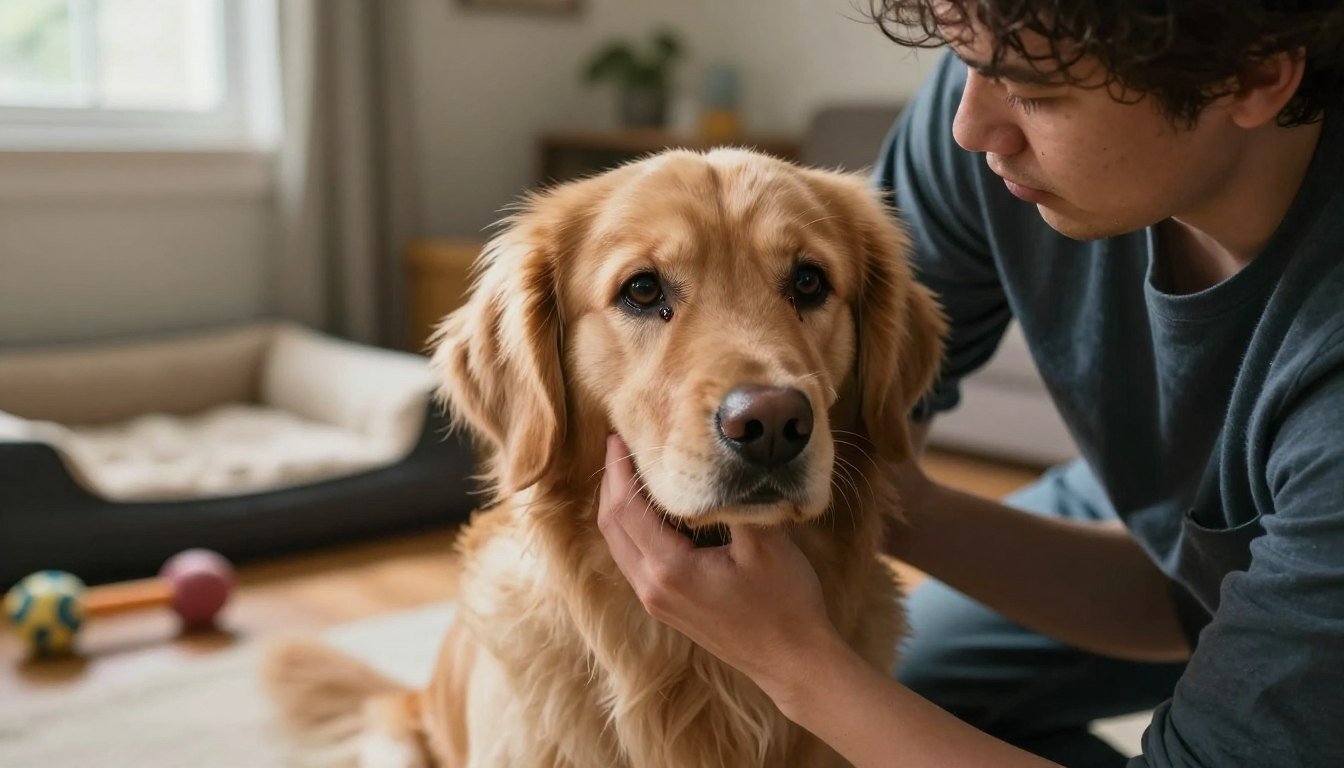
Many pet owners worry when they see crusty discharge around their dog’s eyes. It’s completely natural to feel concerned. Knowing the difference between normal buildup and health issues is key to good pet health care.
This guide aims to clear up common concerns. We’ll look at why discharge happens and when to see a vet. My goal is to make you more confident in caring for your pet’s health every day.
Key Takeaways
- Identify the difference between normal tear stains and abnormal discharge.
- Learn to recognize signs that require immediate veterinary attention.
- Understand how environmental factors influence ocular health.
- Discover simple cleaning techniques for daily maintenance.
- Gain confidence in monitoring your pet’s overall wellness.
Understanding the Sudden Appearance of Canine Eye Discharge
Pet parents often worry about eye crust, but knowing the difference is key. Keeping your dog eye health in check requires a proactive approach and calm demeanor. Learning what’s normal helps you provide better canine eye care for your pet.
The Normal vs. Abnormal Eye Secretion
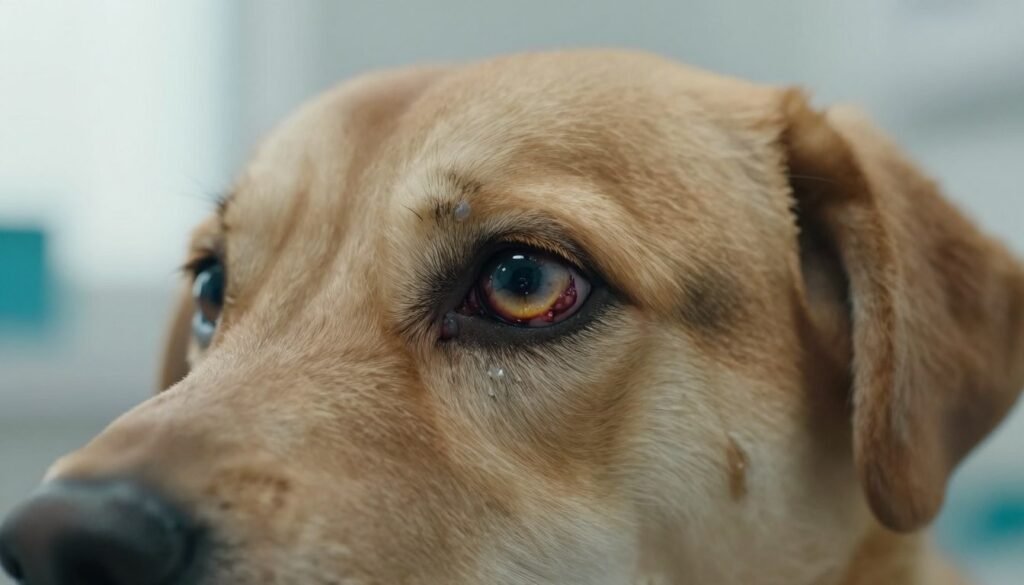
Dogs often wake up with a bit of crust in their eyes. This is usually just a mix of tears, oil, and dust from sleep. You can gently wipe it away with a soft, damp cloth.
But, dog eye discharge that’s thick, yellow, or green is a different story. If it smells bad or makes the eyelids stick together, it’s not just dirt. These signs often mean there’s an infection or irritation that needs attention.
When to Be Concerned About Your Dog’s Eye Health
Always trust your instincts with your pet. If you see sudden redness, swelling, or if your dog is pawing at their face, act fast. These signs mean your pet is uncomfortable and needs professional canine eye care.
Regularly checking your dog eye health helps you catch changes early. Here’s a guide to tell normal from abnormal.
| Feature | Normal Discharge | Abnormal Discharge |
| Color | Clear or light tan | Yellow, green, or cloudy |
| Consistency | Watery or dry crust | Thick, sticky, or pus-like |
| Frequency | Only upon waking | Constant throughout the day |
| Associated Signs | None | Redness, squinting, or pain |
If you see any signs of abnormal discharge, don’t wait. Addressing dog eye discharge quickly can prevent serious damage and keep your dog happy and healthy.
Why Does My Dog Have Eye Boogers All of a Sudden
Many pet owners wonder why their dogs suddenly have eye boogers. This change can happen overnight, causing worry about their health. Finding out what causes dog eye boogers is key to keeping your pet comfortable and happy.
Environmental Triggers and Seasonal Allergies
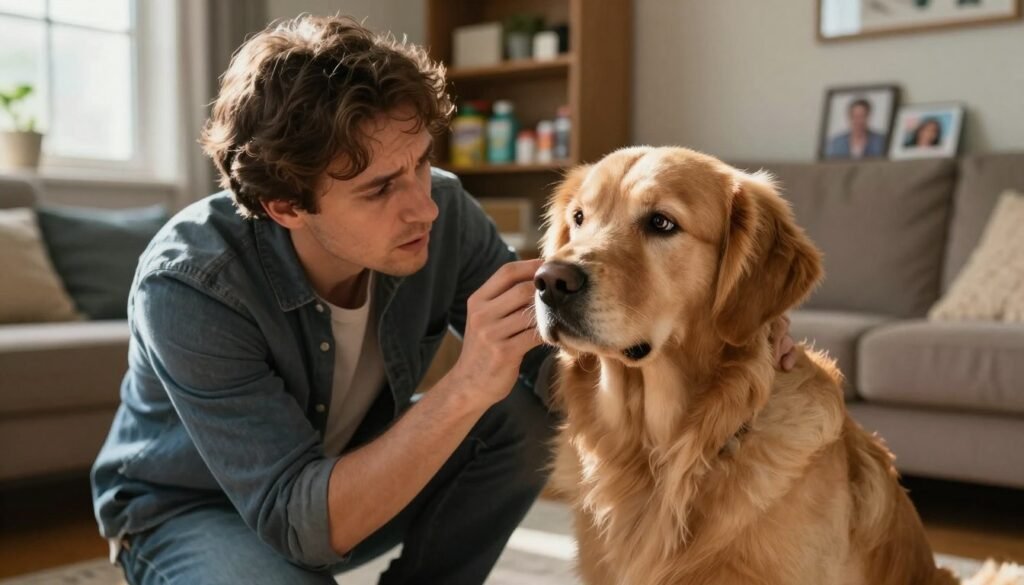
Dogs, like humans, can get seasonal allergies. Being outside can expose them to pollen, mold, or grass seeds. These irritants can cause their eyes to produce more tears, which dry into boogers.
“The eyes are the window to the soul, but they are also the first to signal when the environment is out of balance.”
Keeping your home clean and watching your dog after walks can help. If the boogers appear mainly in certain seasons, it’s likely due to environmental factors.
Foreign Objects and Irritants in the Eye
At times, the problem is a physical one. A speck of dust, a stray hair, or a small piece of debris can get stuck under the eyelid. This causes the eye to make more tears, leading to a buildup of discharge.
Watch your dog for signs of eye discomfort, such as:
- Excessive pawing at the eye
- Squinting or keeping the eye closed
- Visible redness or swelling
The Role of Breed-Specific Anatomy
Some dogs are more prone to eye issues due to their facial structure. Breeds like Pugs, Bulldogs, and Shih Tzus have shallow eye sockets and prominent eyes. This makes it harder for their eyelids to close fully, exposing their eyes more.
These breeds often have more tear buildup. While this is common for them, any sudden increase in discharge should be watched closely. Knowing your dog’s specific needs helps you tell if it’s just a quirk or a health issue.
Common Medical Causes Behind Eye Discharge
It’s important to know the causes of dog eye boogers for your pet’s health. Some discharge is normal, but changes can mean your dog needs help.
Bacterial and Viral Eye Infections
Thick, yellow, or green discharge means your dog might have an eye infection. Bacteria or viruses can harm the eye’s delicate tissues.
It’s sad to see your pet uncomfortable. If your dog squints or is sensitive to light, see a vet fast. This can stop the problem from getting worse.
Conjunctivitis in Dogs
Conjunctivitis makes the eyelid’s membrane swell. This dog eye discharge shows as redness, swelling, and watery or mucus buildup.
Your dog might rub their face because it’s itchy or sore. Catching these signs early is key. It helps your dog get the right treatment for the inflammation.
Dry Eye Syndrome and Tear Duct Issues
At times, the issue isn’t an infection but a chronic problem like dry eye. This happens when the eyes don’t make enough tears, causing irritation and damage.
Ignoring this can cause serious problems, like corneal ulcers. To manage this dog eye infection risk, your dog needs regular vet visits and eye drops. Proper care is essential to protect your dog’s vision.
How to Safely Clean Your Dog’s Eyes at Home
Keeping my dog’s eyes clear is a simple way to help their health. When I see discharge, I move slowly to keep them calm and comfortable.
Tools and Solutions You Should Use
I start by getting the right supplies to avoid hurting my dog’s eyes. I use a soft, lint-free cloth or a sterile gauze pad with warm water or a vet-approved saline solution.
Never use harsh soaps, human eye drops, or cotton balls. They can irritate your dog’s eyes. Having the right tools makes cleaning easier for both of us.
Step-by-Step Cleaning Techniques
First, I hold my dog’s head steady and speak softly. I wipe from the inner corner of the eye outward. I use a fresh section of the cloth for each swipe to avoid spreading bacteria.
If the discharge is from dog allergies, I clean the crusty debris near the tear ducts. This keeps the area around the eyes healthy and prevents further irritation.
Signs That You Should Stop and Call the Vet
I watch my dog closely during cleaning. If they pull away, whine, or show pain, I stop right away to avoid hurting them.
If the eyes are bright red, swollen, or have thick, yellow discharge, it’s time to see a vet. While I care for my dog’s health at home, some issues need a vet’s help. Treating dog eye boogers must never risk my dog’s safety or comfort.
When to Seek Professional Veterinary Care
Knowing when your pet’s eye problem is serious is key to their health. Simple cleaning can fix many minor issues. But, some problems need professional intervention for your dog’s long-term comfort.
Identifying Emergency Symptoms
Act fast if you see signs of a severe dog eye infection or trauma. If your dog keeps pawing at their eye, won’t open it, or suddenly can’t see, go to the vet right away.
Look out for thick, yellow, or green discharge, swelling, or redness. These signs often mean a serious issue that needs urgent medical attention to save your dog’s vision.
What to Expect During a Veterinary Eye Exam
At the clinic, the vet will do a detailed check to find the cause of the problem. They might use a special dye called fluorescein to look for ulcers or scratches.
The vet will also check the eye pressure to check for glaucoma. This canine eye care helps find the right treatment, like antibiotic drops or ointments.
Preventative Measures for Long-Term Eye Wellness
Good dog wellness starts with daily care. Always check your dog’s eyes during grooming to spot issues early. This way, you can avoid painful problems later.
Feed your dog a balanced diet and keep your home free of harsh irritants. These habits help keep your dog’s eyes healthy. They ensure your pet’s eyes stay bright and clear for many years.
Conclusion
Keeping an eye on your pet’s eye health is key. Small changes in discharge can mean big problems are coming.
Watching your pet closely helps keep them comfortable. You now know how to handle dog eye boogers at home.
Regular grooming and vet visits are important. They help your dog stay healthy and happy. These habits also strengthen your bond.
If your dog’s eyes stay red or swollen, see a vet. Don’t wait if basic care doesn’t work.
By following these steps, you’ll help your dog’s eyes stay clear. I’m here to help you with any health concerns.
FAQ
Why does my dog have eye boogers all of a sudden after being outside?
Environmental irritants like dust, pollen, or seeds can cause sudden discharge. Dog allergies can also flare up, leading to extra mucus. If the discharge is clear, it might be a natural reaction. But, it’s important to watch for signs of a serious infection.
How can I tell the difference between normal discharge and a dog eye infection?
Normal discharge is usually clear or light rust and appears after waking. I worry about infection if it’s yellow or green. If your dog squints or rubs their face, it’s a sign of trouble.
What are some of the most common causes of dog eye boogers that I should know about?
Simple allergies and physical issues like blocked tear ducts or scratches are common. Some breeds are more prone to problems. Conjunctivitis and “dry eye” can also cause boogers.
Is there a safe way I can start treating dog eye boogers at home?
Yes, keeping the eye area clean is key. Use a soft cloth with lukewarm water or a sterile solution to wipe away debris. Always wipe away from the eye and use a clean section for each eye.
When should I stop home care and seek professional canine eye care?
If home care doesn’t work in 24 hours, or if the eye looks cloudy or painful, see a vet. Emergency symptoms like sudden light sensitivity or a change in the eye’s shape need immediate care. Vets can perform tests to check for ulcers.
Can regular grooming help improve my dog’s long-term dog eye health?
Yes, regular grooming helps. Trimming hair around the eyes prevents irritation. Regular eye checks are also important. Keeping the area dry and clean can prevent many problems.
You May Also Read: UK Headlines