
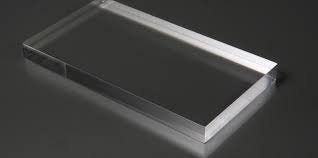
Splashbacks, greenhouse panels, picture frames. These are the uses most people think of when they hear “acrylic sheet”. But clear acrylic is a surprisingly versatile material, and a growing number of DIYers and renovators are putting it to work in ways you might not have come across before.
Sourcing and Getting the Thickness Right
Before anything else, it’s worth spending a moment on the basics, because the wrong sheet can make a project frustrating. Acrylic comes in a range of thicknesses, and the right one depends on the job. A 3mm sheet works well for lightweight decorative uses, while anything structural or load-bearing will need 5mm or above.
You can order clear acrylic plastic sheets cut to size, which saves a lot of effort if you don’t have the tools to cut it yourself at home. Always remove the protective film only when the piece is in place, as it scratches more easily than glass during handling.
1. Radiator Covers
Radiator covers are often made from MDF, but acrylic is a genuinely interesting alternative, especially in smaller rooms where you want to keep things feeling light and open. A clear acrylic panel lets heat pass through freely while still protecting small hands and creating a cleaner look.
The key is to leave adequate ventilation gaps at the top and bottom. Don’t seal it flush against the wall on all sides, or you’ll trap heat and reduce the radiator’s efficiency. A simple panel fixed on standoffs a few centimetres from the wall is usually sufficient.
2. Stair Balustrades
Glass balustrades have become popular in modern homes, but they’re expensive to have professionally installed. Clear acrylic is lighter, easier to cut and drill, and significantly cheaper, making it a realistic DIY alternative for replacing tired timber spindles.
It won’t suit every setting, and it does scratch more easily than toughened glass, so it works best in lower-traffic areas or on upper-floor landings where the finish is less likely to take a beating. That said, a well-fitted acrylic balustrade panel can look very close to the real thing.
3. Furniture Upcycling
This one surprises people, but acrylic works well as a surface insert for furniture, particularly older pieces with damaged or stained tops. Fitting a clear panel over a reclaimed desk or coffee table both protects the surface beneath and adds a contemporary edge.
You can also use it to create a floating shelf effect when fixed with minimal visible brackets. Because the material is clear, it doesn’t visually interrupt a wall display the way a timber shelf would. It’s a popular approach in home offices and reading rooms.
4. Pet Barriers During Renovation Work
Anyone who’s done significant building work at home with a cat or dog underfoot will understand the challenge. Temporary barriers are necessary to keep pets away from dust, chemicals and hazards, but most options are either unsightly or unstable.
A rigid acrylic sheet cut to fit a doorway or hall opening makes a surprisingly effective temporary barrier. It’s stable, you can see through it to keep an eye on the animal, and it takes up no space once the work is finished. Fix it into a simple timber frame with rubber edging to stop any sharp corners and it’ll last the duration of the project.
5. Use It as a Protective Cover for Artwork and Prints
Standard picture frames usually come with thin glass, which is heavy, fragile and can shatter if knocked. Replacing the glass with a cut-to-size acrylic panel is something more galleries and framers are doing routinely now, and it’s an easy home fix too.
Anti-reflective acrylic is worth considering if the artwork will hang somewhere with a lot of natural light. It reduces glare significantly compared with standard clear acrylic, though it costs a little more. For a collection of prints or a gallery wall, the difference in total weight compared with glass can be noticeable when you’re fixing into stud walls or plasterboard.
Key Takeaways
Acrylic sheet gets overlooked because most people associate it with glazing or craft projects. But for practical home renovation use, it performs well across a much wider range of applications. Get the thickness right for your project, handle it carefully during fitting, and it’s one of the more cost-effective materials you can work with.