

dani love on the spectrumWelcome to my corner of the internet. I share my life as dani love on the spectrum here. It helps me make sense of my day.
I made this space for us to explore neurodivergent life together. I want to show how important it is to be seen in a world that doesn’t always get us.
Living true to myself is hard but worth it. By sharing my wins and struggles, I hope to help others understand life differently.
Thanks for being here with me. I’m looking forward to sharing and growing with this amazing community.
Key Takeaways
- Being real helps us deal with a world that doesn’t always get us.
- Being seen is key to building empathy and support.
- Sharing our stories makes a safe place for everyone.
- Every day, we face challenges and win in our own way.
- Understanding each other needs open talks and sharing our views.
My Personal Journey Navigating the World as an Autistic Individual
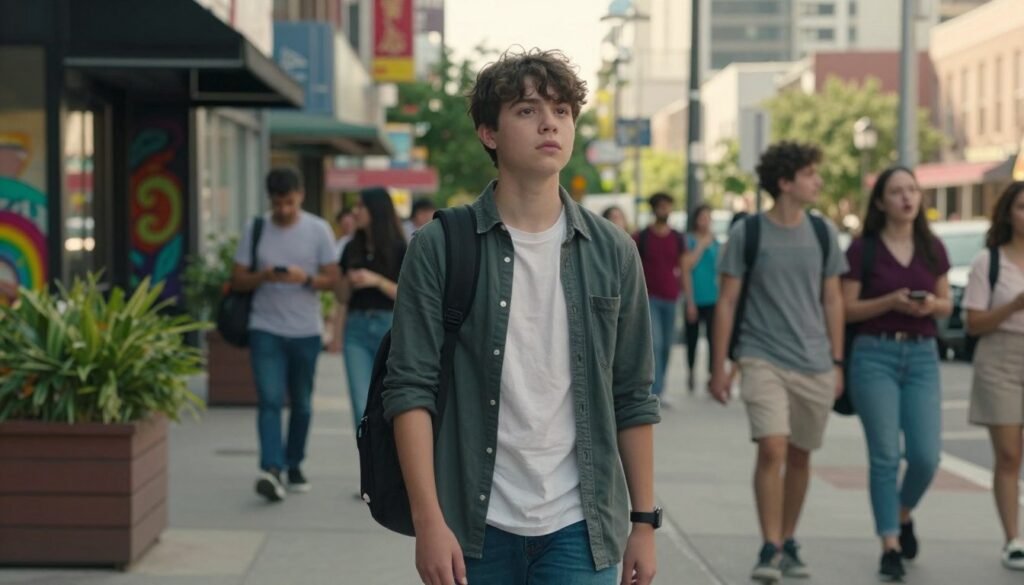
Being autistic is like learning a new language. Everyone else seems to know it, but it’s hard for me. I have to work hard to understand social clues.
My senses are different. Bright lights and loud sounds are very overwhelming. They feel like strong, physical feelings that grab my attention.
My Personal Journey Navigating the World as an Autistic Individual
To feel better, I use certain strategies. I like to follow the same routines every day. This helps me feel more secure.
When it’s too loud, I wear noise-canceling headphones. They help me find peace and calm down.
Telling my story helps others understand me better. It’s hard to explain the challenges I face. But being open is important.
My goal is to find a balance in life. I want to meet my needs and connect with others. Learning to speak up for myself has helped me feel more confident and true to myself.
The Cultural Impact of Dani Love on the Spectrum
My journey has changed the neurodiverse community a lot. When I shared my story, I hoped to show what it’s like for me. But the response was even bigger than I thought.
People wanted real, honest views on being autistic. They wanted to see the truth of our lives.
The talk about dani love on the spectrum has changed how people see neurodiversity. Now, people want stories that show the real life of autistic people. This shows that society is moving away from old stereotypes.
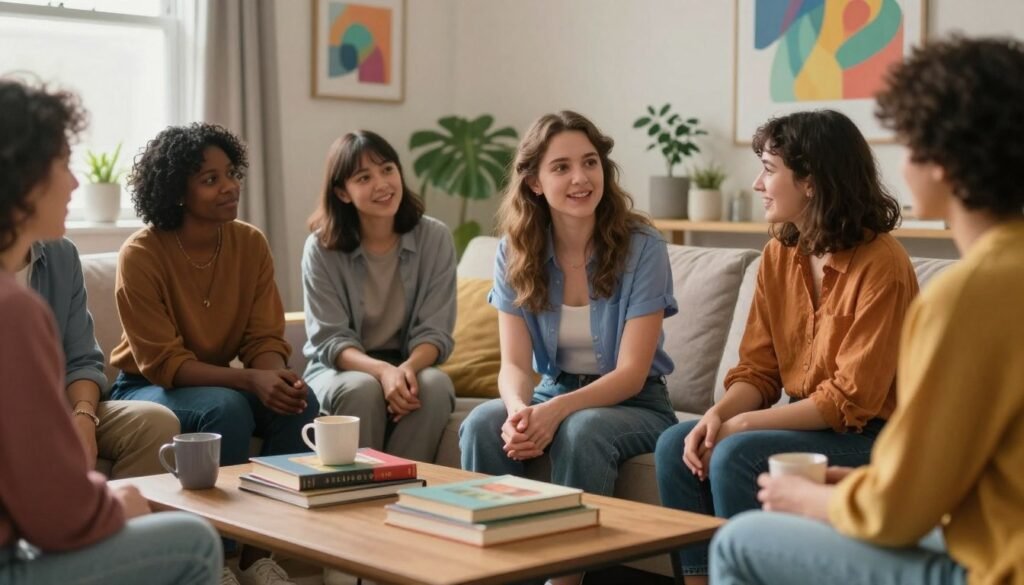
Sharing our stories can really change things. My story has shown how one voice can challenge old ideas. Every message I get shows that vulnerability is a strength in fighting for understanding.
“True change happens when we stop talking about people and start listening to the stories they tell about themselves.”
The effect of dani love on the spectrum is bigger than just my story. It’s about the power of our voices to change culture. As we keep sharing our truths, we help make a society that includes everyone.
Breaking Down Stigmas Surrounding Neurodiverse Relationships
Changing how we see neurodiverse relationships is key. We often see them as less than others. This makes it hard for couples to be together.
We should not think there’s only one right way to show love. Different ways of talking and feeling are not wrong. Honesty and clarity are what make these relationships strong.
There are myths that make people think wrong things about neurodiverse relationships. Let’s talk about these myths to help everyone feel welcome:
- Myth: Lack of social cues means a lack of emotional depth.
- Reality: Many neurodivergent people feel deeply but show it in their own ways.
- Myth: These relationships are harder or more likely to fail.
- Reality: Every relationship needs effort. The focus on clear talk can make them stronger over time.
It’s time to look at our own biases about love. We grow by valuing the unique perspectives everyone brings. Loving in our own way is important for a kinder world.
Our goal is to break down stereotypes about neurodiverse relationships. By choosing to understand, we can have deeper connections. Let’s celebrate all kinds of love stories.
How Reality Television Shapes Public Perception of Autism
Watching an autism dating show makes me wonder about real stories versus drama. TV producers have a big job when they show neurodivergent people. Shows like dani love on the spectrum help us be seen, but they also shape how people see us.
It’s hard to mix fun TV with real stories. Often, TV uses old ideas that don’t show what it’s really like to be autistic. These ideas can make people think wrong things about us.
“Media representation is not just about being seen; it is about being understood in all our complexity, not just quirks.”
We need TV to show us in a better way. An autism dating show that only talks about hard parts misses our good sides. We want stories that show our humor, strength, and deep connections.
Here are things that shape how people see us:
- The “Inspiration” Trope: Making us seem pitiful or inspiring, not just people.
- Social Awkwardness Focus: Making our communication struggles seem too big.
- The Need for Agency: Making sure people like in dani love on the spectrum have a say in their stories.
TV really changes how people see us. By supporting or criticizing TV that gets us right, we can change the future. We want our stories told with respect and depth.
The Reality of Dating While on the Spectrum
Finding a partner when you see the world differently is a journey. It has both unexpected hurdles and moments of joy. Dating with autistic individuals means facing a world not made for us. Being honest is key to starting any relationship.
Challenges in Communication and Social Cues
Decoding social rules is hard for me. Many people use body language and tone to talk. But these cues are confusing for me.
It takes a lot of mental energy to understand these cues on a date. Direct communication helps a lot. It makes things clear for both me and my partner.
Finding Authentic Connections in a Neurotypical World
Dating can feel like trying to fit into a mold. Social expectations like eye contact don’t always work for me. I look for partners who value authentic love stories.
Meeting someone who likes my directness feels special. These authentic love stories are based on respect and understanding. Being myself attracts people who celebrate my unique view of the world.
Dating with autistic individuals is about finding someone who learns with you. It’s not about changing who you are. It’s about finding a partner who values our real connection.
Inclusivity in Media and Why Representation Matters
True inclusivity in relationships starts with how we see each other on screen. When media shows diverse experiences, it builds empathy for all. The stories we watch shape our understanding of neurodiversity.
Moving Beyond Stereotypes in Modern Storytelling
For too long, TV and film used old, narrow ways to show autistic people. These tired stereotypes don’t show the real depth of our lives. Creators can now show the true human experience by moving past these clichés.
When we ask for better autism representation in media, we push the industry to improve. It’s not enough to just include a character on the spectrum. That character must be treated with dignity and nuance. This change helps us connect and understand each other better.
The Importance of Autistic Voices Behind the Camera
The most real stories come from those who’ve lived them. Autistic writers, directors, and producers bring respect and accuracy to the story. When we’re involved, we stop harmful misconceptions from being shown.
True inclusivity in relationships comes when we see ourselves in the media we love. By focusing on autism representation in media, we build a world that values our unique views. The table below shows the difference between old ways and our inclusive future.
| Feature | Traditional Portrayal | Inclusive Portrayal |
| Character Depth | One-dimensional tropes | Complex, multi-faceted human |
| Social Focus | Focus on “fixing” the person | Focus on authentic expression |
| Creative Input | Neurotypical writers only | Autistic voices in leadership |
| Outcome | Reinforces social stigma | Promotes empathy and growth |
Navigating Love as a Neurodiverse Person
Love as a neurodiverse person is a journey of self-discovery. It’s about understanding ourselves before sharing our lives with others. Neurodiverse relationships often don’t follow traditional dating scripts.
Building Trust and Setting Boundaries
Trust is key in any relationship. But it means different things to everyone. For me, trust comes from being open and respecting boundaries.
Setting boundaries is not about pushing people away. It’s about making a safe space for both to grow. Here are some steps for healthy relationships:
- Communicate clearly: Don’t assume your partner knows how you feel.
- Define your space: It’s okay to ask for time alone to recharge.
- Respect the “No”: Honor your own limits as much as your partner’s.
“True intimacy is not about merging into one person, but about two distinct individuals choosing to support each other’s unique ways of being in the world.”
— Anonymous
The Role of Sensory Needs in Romantic Partnerships
Sensory regulation is key in my romantic life. When I’m overstimulated, I struggle to connect emotionally. So, I make my home a sensory-friendly space.
Seeing sensory needs as part of our identity is important. By understanding these needs, we can support each other better. Navigating love as a neurodiverse person means finding a partner who values your comfort.
Neurodiverse relationships thrive when both feel safe to be themselves. Advocating for our needs leads to a fulfilling partnership.
Lessons Learned from the Spectrum Relationships Community
Connecting with others has taught me that authentic love stories are found in unexpected places. Listening to others has shown me what love really is. It reminds us we’re never alone in our journeys.
The wisdom in spectrum relationships shows the value of patience and clear talk. Building trust takes effort from both sides. Embracing our differences lets us be open without fear.
“Love is not about finding someone who is perfect, but about learning to see the beauty in the imperfections that make us who we are.”
Being part of the dating spectrum community has changed me. It’s shown me the power of shared wisdom in love. By sharing our stories, we help each other find true connections.
These lessons have changed how I see love and relationships. I’m thankful for the community’s guidance. Shared experiences connect us, making the world more inclusive and understanding.
The Evolution of Autism Representation in Media
The evolution of autism representation in media is really interesting. We’ve seen a big change from making fun of neurodivergent people to telling real stories about them. This change is slow but very important for us.
Before, people with autism were shown as one thing only. They were seen as smart but unable to connect with others. Or they were shown as needing to be “fixed.” These views didn’t show the real struggles we face every day.
Now, we’re seeing more real stories about autism. This is why talking about an autism dating show is so important. It shows we deserve love and connections just like anyone else.
Looking back, we see why it’s key to show autism accurately in media. How we’re seen in media affects how we’re treated in life. By asking for better stories, we’re fighting for a world that values our unique views.
The idea of an autism dating show is a big step forward. It lets us see our love lives in a new way, without old stereotypes. I think this is a great sign for a future where our stories are told with respect and depth.
- Historical Shift: Moving away from harmful tropes toward humanized, relatable characters.
- Public Perception: How media narratives influence real-world attitudes toward neurodiversity.
- Future Goals: The ongoing need for diverse voices and authentic representation in all forms of storytelling.
Advocating for Better Understanding in Dating Culture
True inclusivity in relationships starts when we talk openly about our needs. When I explain how my brain works, it helps my partner understand me better. This makes our relationship stronger and more respectful.
Educating Partners on Neurodivergent Needs
When dating with autistic individuals, remember that everyone is different. It’s good to talk early about what you need. This way, your partner can help you in ways that really help.
It’s not about changing who you are. It’s about helping your partner see things from your point of view. Share what you need and why. This helps you both understand each other better.
Creating Safe Spaces for Authentic Expression
A safe space means you can be yourself without fear. Listening and understanding each other’s feelings is key. This makes your bond strong and personal.
I think dating with autistic individuals works best when you feel safe to share your needs. Whether it’s needing quiet or preferring clear talk, it’s okay. This creates a relationship that truly includes both people.
| Feature | Traditional Dating | Neuro-Inclusive Dating |
| Communication | Often relies on hints | Direct and clear |
| Sensory Needs | Usually ignored | Prioritized and respected |
| Social Expectations | Rigid norms | Flexible and negotiated |
| Conflict Resolution | Emotional guessing | Open, honest dialogue |
The Intersection of Technology and Modern Romance
Online dating can feel like learning a new language, even more so for those who are neurodivergent. The digital world offers a special way to connect with others. For many, navigating love as a neurodiverse person is easier online because we can control our interactions.
Places like loud bars or crowded parties can be too much. But technology lets us avoid these places. It helps us find partners who get us, thanks to special platforms for the dating spectrum community.
Using Apps to Find Like-Minded Partners
Choosing the right apps is key. Many apps now have filters for finding people with similar interests. Always be clear and authentic in your profile to attract the right people.
Apps that focus on deep conversations are great for the dating spectrum community. They help you build trust before meeting in person. This way, you can connect over shared hobbies or interests.
The Pros and Cons of Digital First Impressions
Digital communication lets you take your time, which is a big plus. It reduces the stress of quick social cues. But, it can lead to misunderstandings because it lacks tone and body language.
Remember, a digital first impression is just the start. It’s a safe space for navigating love as a neurodiverse person. But, eventually, you’ll need to meet in person. Finding a balance between your screen and real-life interactions is key for lasting connections.
| Feature | Traditional Dating | Digital Dating |
| Sensory Input | High/Overwhelming | Low/Controlled |
| Communication | Real-time/Spontaneous | Asynchronous/Reflective |
| Social Cues | Complex/Non-verbal | Text-based/Literal |
| Pace | Fast/Pressured | Self-paced/Flexible |
Reflecting on the Future of Neurodiverse Love Stories
I dream of a world where spectrum relationships are just like any other. I hope our stories blend into the mainstream easily. Love should be about how deep our connection is, not how our brains work.
I’m proud of how far we’ve come. We’ve broken down walls that kept us apart. By sharing our stories, we’ve made society more welcoming to neurodiverse relationships.
“The future of love is not about fitting into a mold, but about creating a space where every individual feels seen, heard, and valued for exactly who they are.”
Looking at our progress, we see big changes. The table below shows how we’ve moved from old beliefs to new ones.
| Aspect | Past Perception | Future Outlook |
| Social Labels | Restrictive categories | Individual identity |
| Communication | One-size-fits-all | Diverse, flexible styles |
| Public Awareness | Stigma-driven | Empathy-driven |
Keep talking about the importance of spectrum relationships. Every chat we have helps make the world more understanding. We must strive for a world that values kindness over being the same.
We can create a kinder future together. By being true to ourselves and supporting each other, neurodiverse relationships will flourish. Let’s keep moving forward, knowing our stories are making the world better.
Conclusion
Love is a universal language, no matter what. We grow by being empathetic and patient every day. These values help us build strong bonds that go beyond what others expect.
I hope these insights inspire you to find real love stories in your life. Everyone deserves a partner who loves their unique view and needs. True connection grows when we celebrate our differences.
Netflix and other media are changing how we see things. But, real change comes from us in our daily lives. Let’s work to make a world where everyone feels seen and valued.
Your effort to learn about neurodiversity helps make dating more inclusive for all. I’m hopeful about the future of love as we share our truths. May your search for a partner be filled with joy and kindness.
You May Also Read: UK Headlines
FAQ
How has my journey on the Netflix series Love on the Spectrum changed the way people view authentic love stories?
Being on Dani Love on the Spectrum has shown the world that authentic love stories exist for everyone. I’ve shared my life on this autism dating show. This has shown that everyone wants love, even if we see the world differently.I hope my story helps people see the beauty in neurodiverse relationships. It shows that love is not just for some, but for all.
What are some of the biggest challenges I face when dating with autistic individuals or neurotypical partners?
Dating can be tough, whether with someone on the spectrum or not. Communication and understanding social cues are big challenges. Being clear about what we need is key.Managing sensory overload and understanding facial expressions takes patience and effort. It’s about being intentional and understanding each other.
Why do I advocate so strongly for autism representation in media and inclusivity in relationships?
Seeing ourselves in media can change lives. For too long, our stories were told by others. Having autistic voices in storytelling makes relationships more inclusive.It’s not just about being on TV. It’s about showing the dating spectrum community with respect and real emotions.
How can someone effectively support their partner within spectrum relationships?
Building trust and understanding sensory needs is key. Partners should learn about neurodiversity and create safe spaces. This helps us feel understood and loved.Having a partner who gets my sensory needs without judging makes a big difference. It helps us stay connected and happy.
What lessons have I learned from the dating spectrum community about finding a compatible partner?
The dating spectrum community has taught me that love is unique. It’s about real connection, not just following social norms. Whether through apps like Hiki or work at DaniMation Entertainment, the goal is to find someone who respects and celebrates us.
How do I see the future evolving for neurodiverse relationships in the modern dating culture?
I’m very hopeful for the future! I dream of a world where neurodiverse relationships are just as normal as any other. With more autism representation in media and open conversations, dating will become more inclusive.I want everyone on the spectrum to feel empowered to find their true love stories.