
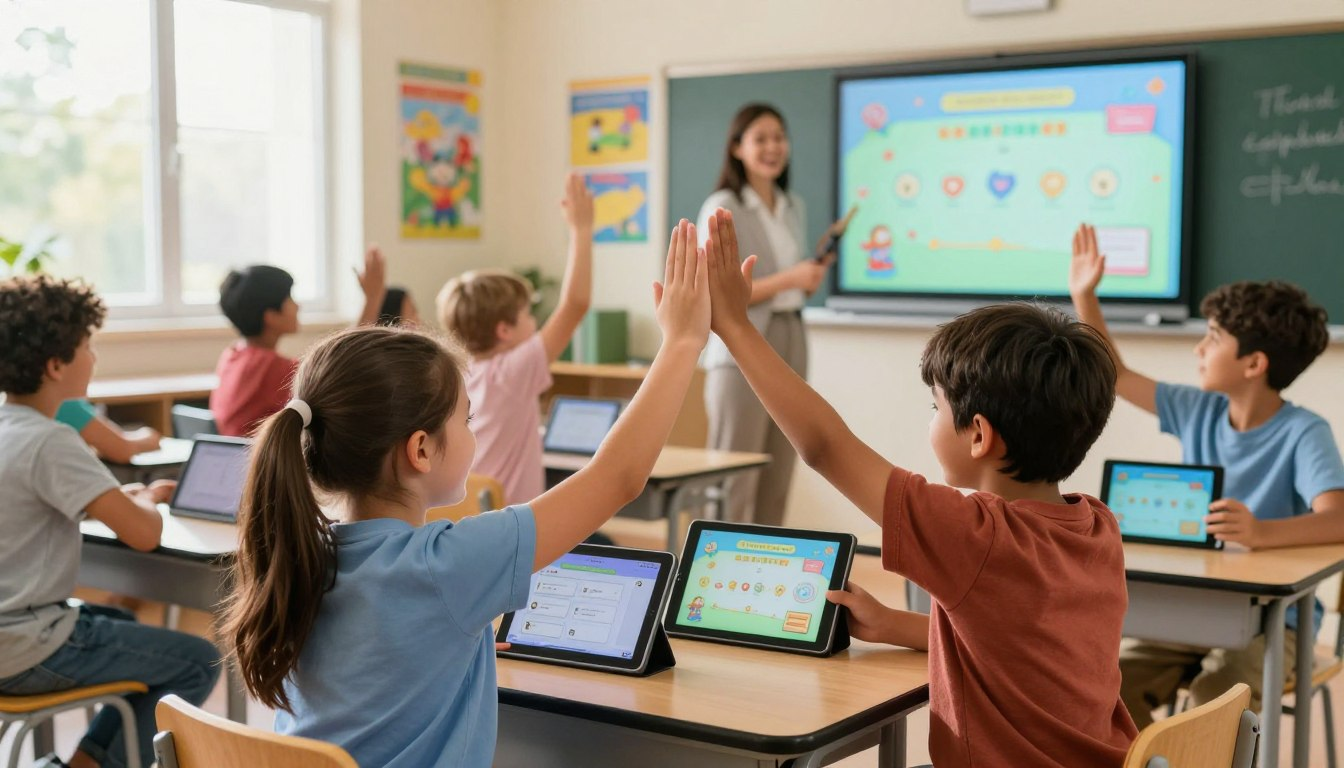
I used to dread review sessions. My students were bored, and I couldn’t make learning exciting. That all changed with interactive classroom games.
With gimkit, my classroom became a place where students loved to learn. It turned dull drills into fun challenges. This kept everyone focused and eager to learn.
Learning to use gimkit is key for modern teachers. By using these tips, you can see instant results in your teaching. Let’s dive into making your next gimkit session unforgettable.
Key Takeaways
- Transform boring review sessions into high-energy learning experiences.
- Boost student participation using an interactive classroom game.
- Apply simple strategies to see immediate improvements in engagement.
- Create a positive classroom culture through gamified practice.
- Master essential features to save time on lesson planning.
The Evolution of Gimkit in Modern Classrooms
Gamification in education has changed how I plan lessons and engage students. Before, we used static worksheets to check understanding. Now, classrooms need active participation to keep students interested and focused.

Understanding the Shift Toward Gamified Learning
Switching to interactive platforms has changed my teaching. Students now want learning that feels like the digital world they know. By adding game mechanics, I make learning fun and meaningful.
This change is more than just fun. It makes students eager to learn complex ideas. With gamification in education, they’re more open to trying new things and learning from mistakes. This creates a positive cycle that helps everyone learn together.
Why Gimkit Stands Out as a Digital Learning Tool
Gimkit is a key tool for me. It’s a digital learning tool that lets me adjust lessons and offers different game modes. It keeps students engaged because the games are always changing.
The table below shows how Gimkit differs from traditional methods:
| Feature | Traditional Worksheets | Gimkit Experience |
| Student Pace | Fixed and uniform | Self-paced and dynamic |
| Feedback Loop | Delayed (next day) | Instant and visual |
| Engagement Level | Low to moderate | High and competitive |
| Content Variety | Limited to text | Multimedia and interactive |
Choosing the right gimkit setup keeps my classroom lively. As a digital learning tool, it turns routine into exciting challenges. I think this change is key for any teacher today.
Getting Started with Advanced Gimkit Features
If you want to make your gamification in education better, start by learning Gimkit’s advanced features. Mastering these tools lets you create lessons that match each student’s level. This way, you can focus more on teaching and less on software.

Navigating the Dashboard for Efficient Game Setup
The dashboard is your main hub for lessons. Organize your content in folders to keep things tidy. This simple step saves a lot of time when you need to start a review session quickly.
Use the quick-start buttons on the main screen. They let you start a game fast, which is great for filling in class time. Pin your favorite kits to the top for easy access.
Customizing Game Modes for Different Learning Objectives
Every lesson is different, and that’s why customizing game modes is key. I adjust settings to fit the lesson’s goals, like speed for fluency or accuracy for complex problems. This makes gimkit a versatile tool for all learning needs.
The table below shows how different modes can help meet your classroom goals:
| Game Mode | Primary Objective | Best For |
| Classic | Individual Fluency | Quick vocabulary review |
| Trust No One | Critical Thinking | Engaging group discussions |
| Snowball | Collaborative Play | Building team spirit |
| Boss Battle | Collective Mastery | Challenging class-wide goals |
Strategies for Maximizing Student Engagement
Creating a thriving classroom starts with how we engage students. By focusing on teamwork, any interactive classroom game becomes a lesson in unity. This method fosters a supportive environment where every student is valued.

Implementing Competitive Team Dynamics
Organizing students into teams changes the classroom vibe. Instead of competing alone, they work together towards a goal. This collaborative spirit helps everyone, even those struggling with the material.
Using a student engagement platform means setting clear team goals. I assign roles to ensure everyone contributes. This stops one student from doing all the work.
Using Gimkit Kits to Foster Collaborative Problem Solving
Custom kits challenge students to solve problems together. By creating questions that need a group effort, I spark deep discussions. This turns a simple review into a detailed exploration of the subject.
Students learn to share their thoughts to find the right answer. This peer-to-peer teaching strengthens their understanding. It makes the game a social learning experience that boosts both knowledge and communication skills.
Balancing Competition and Cooperation
The key is to keep the game fun without too much stress. I remind students that teamwork is more important than winning. This delicate balance keeps the mood light and productive.
I add “cooperative milestones” for teams to reach a score for a class reward. This keeps the competition alive while focusing on teamwork. By managing these elements, I keep all students engaged and motivated.
Leveraging Gimkit for Remote Learning Solutions
Switching to online classes doesn’t mean students have to feel alone. A good digital learning tool keeps them engaged and excited, even from afar. By making these games a daily part of our routine, we’ve turned a tough remote learning solution into a fun highlight.
Synchronous Versus Asynchronous Game Play
Choosing how to share content is key to success. I pick between live sessions and self-paced tasks based on what we’re learning. Here’s how I decide:
- Synchronous: Great for energy and live interaction.
- Asynchronous: Ideal for solo practice and flexible timing.
I suggest live play for boosting spirits or introducing new ideas. For practice or homework, self-paced games let students work at their own speed without stress.
| Feature | Synchronous | Asynchronous |
| Engagement | High/Immediate | Moderate/Steady |
| Teacher Role | Active Facilitator | Data Monitor |
| Best Use | Class Competitions | Individual Review |
Maintaining Connection in Virtual Environments
Keeping a sense of community online can be tough, but games help. When students team up, they start talking and cheering. This collaborative spirit helps us feel closer, even when we’re far apart.
These interactions build a supportive classroom vibe. By focusing on these moments, my online lessons stay engaging. It’s rewarding to see my students succeed and stay connected through fun.
Integrating Educational Technology into Your Daily Curriculum
Using educational technology well connects your lessons to student success. The best digital tools should support your main curriculum, not get in the way. By picking platforms that match your teaching aims, you make every classroom minute count.
Aligning Game Content with State Standards
It’s key to link your game content to state standards you must teach. When I create question sets, I aim for specific learning goals. This makes learning a powerful experience.
To keep lessons sharp, follow these steps for alignment:
- Check your current unit standards before picking or making a kit.
- Tag your questions with specific standard codes for easy tracking.
- Make sure question difficulty matches the standard’s cognitive demand.
Using Data Analytics to Inform Instruction
Modern educational technology lets you track student progress in real time. I use the platform’s data analytics to see where students struggle. This helps me tweak my teaching right away, not wait for a test.
Looking at performance reports shows patterns in student understanding. If many miss a concept, it’s time to revisit it. Data-driven teaching helps you focus support where it’s needed most, boosting student success.
Creative Ways to Use Gimkit Beyond Review Sessions
I use Gimkit to make my classroom more exciting. It’s not just a game; it’s a student engagement platform that helps with many teaching goals. By being creative, you can make it a part of your daily lessons to keep everyone engaged.
Gamifying Formative Assessments
I use Gimkit for quick checks to see if my students understand. Instead of boring exit tickets, I play a game to see who gets it. This immediate feedback helps me change my teaching on the fly, perfect for remote learning.
By making these assessments fun, my students relax. They enjoy the game while I get the info I need. It turns a tense moment into a fun team effort.
Creating Student-Led Content Challenges
I let my students make their own challenges. They pick topics and write questions and answers for each other. This makes them think deeply about the material, not just memorize it.
By making content, my students feel in charge of their learning. They’re not just sitting there; they’re helping shape our classroom. This is great for remote learning because it encourages teamwork, even when students are apart.
The table below shows how this method is different from old-school tests:
| Feature | Traditional Assessment | Gamified Student-Led Approach |
| Student Role | Passive Participant | Active Creator |
| Feedback Loop | Delayed | Immediate |
| Engagement Level | Low to Moderate | High |
| Primary Goal | Grading | Deep Understanding |
Using Gimkit in these ways has changed my teaching for the better. I suggest you try these ideas to spice up your classroom too.
Essential Teacher Resources for Mastering Gimkit
Discovering the secret to saving hours of prep time is tapping into the teaching community’s wisdom. Using top-notch teacher resources lets me focus on student success, not endless prep work.
With educational technology, my classroom stays lively and meets student needs. Talking with others who use these tools helps me improve my teaching.
Accessing the Community Library for Ready-Made Kits
The platform has a vast library where educators share their work. I often look here for pre-made sets that match my lesson plans.
Using these materials saves me a lot of time and keeps my lessons engaging. Whether it’s a quick history review or a tough vocabulary challenge, I usually find a ready kit.
Sharing Best Practices with Fellow Educators
Collaboration drives us to get better. I always share my successful kits and methods with my colleagues to build a strong support network.
When we swap gimkit ideas, we all gain from new views and creative fixes. This community keeps my educational technology use fresh and effective for my students.
Mastering gimkit is a team effort. By sharing my insights and learning from others, I keep my teaching sharp and my students eager to learn.
Conclusion
Gamification changes how students interact with complex subjects. I encourage you to start testing these strategies during your next lesson. See the immediate impact on student focus.
Technology serves as a bridge to deeper understanding. But your unique teaching style remains the most vital component of the classroom. You have the power to turn a standard review session into a memorable event.
My goal is to help you feel prepared to lead these interactive sessions with ease. You can explore a wide variety of teacher resources to refine your approach as you grow more comfortable with the platform. These tools provide the support needed to keep your curriculum fresh and exciting.
Your dedication to student growth makes a lasting difference every single day. Keep exploring new ways to integrate digital tools into your daily routine. I am excited to see the creative environments you build for your students using these proven methods.
You May Also Read: UK Headlines
FAQ
How can I quickly integrate Gimkit into my daily curriculum without spending hours on preparation?
Start by visiting the Gimkit community library. It’s a great digital learning tool for finding pre-made kits that match state standards. You can also import questions from Quizlet or a Google Sheet to make a game in under five minutes. This is super helpful during a busy school day.
What makes Gimkit a more effective student engagement platform than traditional review methods?
A: Gimkit is special because of its economy-based mechanics. Unlike other educational technology, it keeps students engaged with “purchase” power-ups and upgrades. This makes learning fun and keeps students focused for longer.
Can I use this platform as a remote learning solution for my virtual or hybrid classes?
Yes, you can. Use the “Assign as Homework” feature for asynchronous gameplay. For live sessions on Zoom or Microsoft Teams, host synchronous games. This keeps the learning community alive, even when we’re apart.
How do I ensure that my students are actually learning and not just playing a game?
I use the data analytics from this digital learning tool. After each session, I review reports to see what questions students missed. This helps me use Gimkit to improve my teaching. By linking the game to my curriculum, every minute of play helps students learn.
Where can I find more teacher resources to help me master the advanced features of the dashboard?
Check out the Gimkit help center and join the educator community on X and Facebook. These teacher resources are great for learning how to customize games. I’ve picked up many tips by sharing with other teachers who use educational technology every day.
Is it possible to have students create their own content within Gimkit?
Yes, it’s a great strategy! Use Gimkit Ink or KitCollab to let students write their own questions. This makes them active creators, not just players. When students create the game, they become more invested in learning.