Introduction
Strong spelling skills help children write clearly, read with confidence, and perform better across many school subjects. In today’s digital learning environment, families and schools often prefer tools that make practice easier, faster, and more engaging. That is where Spelling Frame has earned a strong reputation. It offers structured spelling activities, interactive tests, and homework support in one simple online space designed for regular learning.
Many parents search for trusted platforms that match classroom learning instead of random word games. Teachers also want systems that save time while keeping children motivated. Spelling Frame meets both needs by combining curriculum-style word lists with easy online access. This guide explains how the platform works, how to use it effectively, and how students can gain better spelling habits through consistent practice.
What Is Spelling Frame
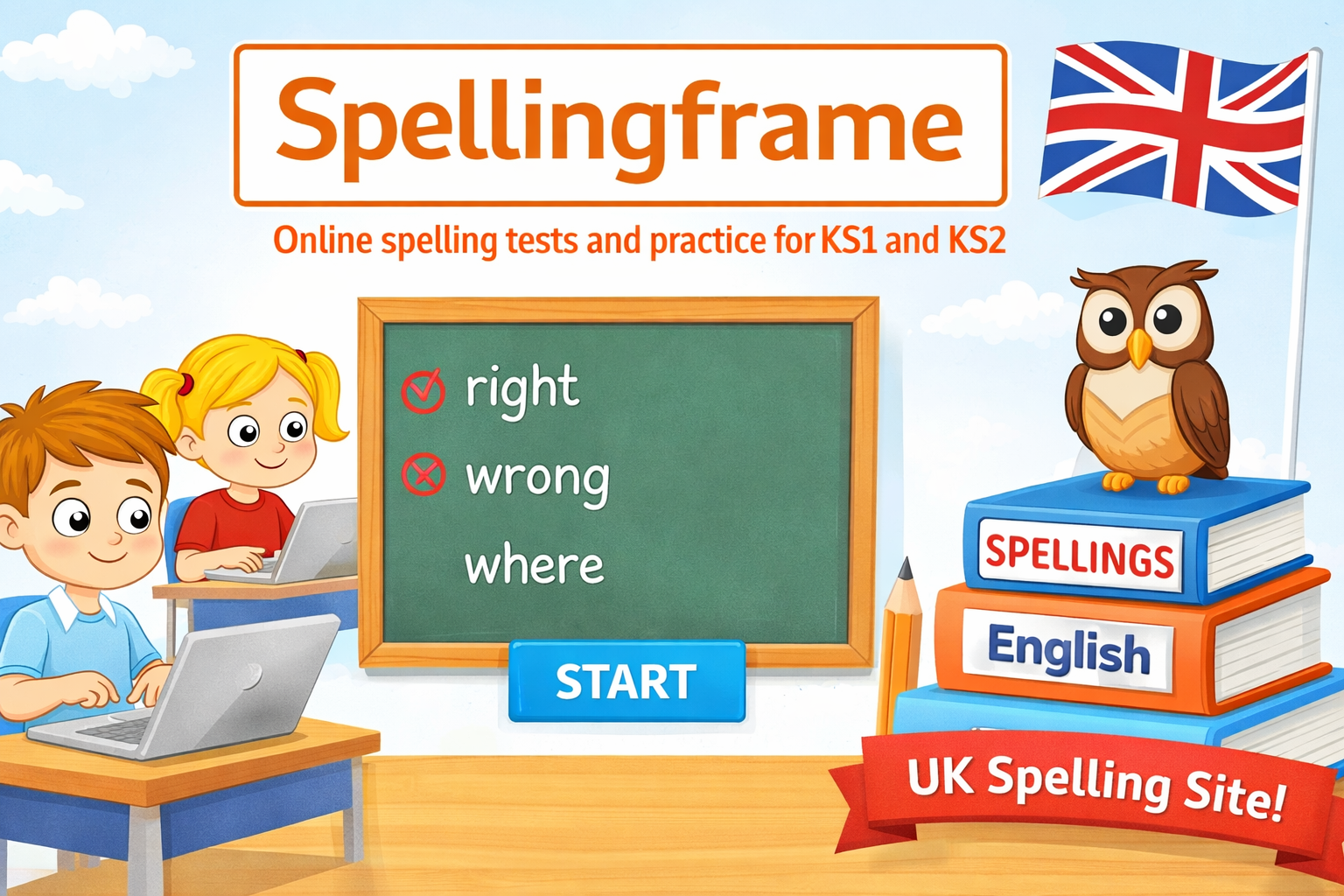
Spelling Frame is an online learning platform built to help children practise spelling rules, learn new vocabulary, and test their progress. It is especially popular in the UK because many schools use structured spelling patterns linked to year groups. Instead of relying only on printed worksheets, learners can complete tasks online with instant feedback that shows what they understand and what still needs work.
The platform is useful for different types of users. Children use it to practise independently, parents use it to support homework, and teachers use it to assign tasks and track progress. This flexibility makes it valuable in both classrooms and homes. By turning spelling into an active experience, Spelling Frame helps children build confidence one word at a time.
Key Features of Spelling Frame
One of the main strengths of Spelling Frame is its simple and focused design. Children can choose a spelling rule, practise through interactive activities, and then take a test to check understanding. This step-by-step structure keeps learning organised and clear. Instead of feeling overwhelmed, learners know exactly what to do next and can repeat activities whenever they need extra support.
Another helpful feature is audio support, where words are read aloud for listening and pronunciation practice. This is useful for children who learn better by hearing words spoken. Teachers benefit from ready-made resources, while parents appreciate a platform that does not require complex setup. With progress tools, accessible activities, and curriculum-friendly content, the platform remains practical and effective.
Spelling Frame Login Guide
Getting started with Spelling Frame is usually quick and straightforward. Users visit the official website and sign in with details provided by a school or personal subscription. Students often receive usernames and passwords directly from teachers, which allows them to access homework and assigned spelling tasks without confusion. A smooth login process encourages regular use and keeps learning routines consistent.
If access problems happen, simple checks often solve them quickly. Make sure the username is typed correctly, passwords use the right capital letters, and the internet connection is stable. If details are lost, schools or the website support process can help reset them. Saving login information securely can prevent delays and make daily practice much easier for busy families.
How to Use Spelling Frame for Practice
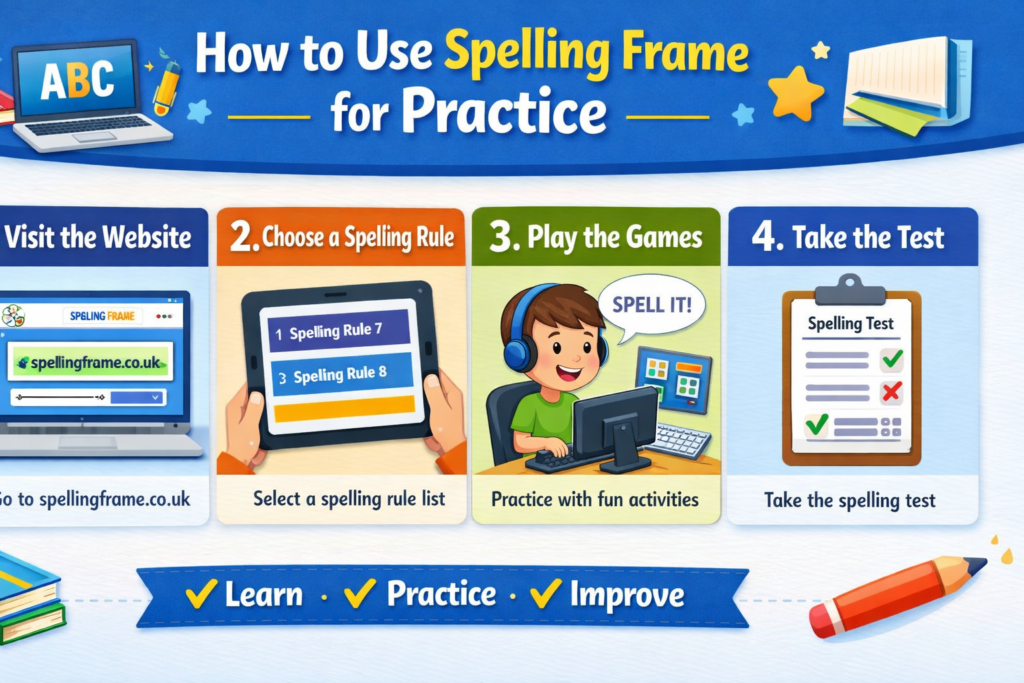
The best way to begin is by choosing the correct year group or spelling rule. Starting at the right level matters because tasks that are too easy may feel boring, while tasks that are too difficult can reduce motivation. Matching practice to current school learning helps children recognise familiar patterns and improve steadily without unnecessary pressure.
Short and regular sessions often deliver better results than long, occasional study blocks. Ten to fifteen minutes of focused practice several times a week can improve memory and confidence more effectively than last-minute cramming. Children should revisit difficult words, listen to pronunciations, and repeat activities until they feel comfortable. Over time, these small habits create lasting spelling improvement.
Spelling Tests and Progress Tracking
Tests are an important part of learning because they reveal strengths and weak areas clearly. After practising, children can complete spelling tests and receive immediate results. This instant feedback is powerful because it turns every attempt into a learning opportunity. Instead of waiting days for corrections, learners know straight away which words need more attention.
Progress tracking also helps parents and teachers make smarter decisions. If a child repeatedly struggles with prefixes, suffixes, or silent letters, future practice can focus on those areas. Timed tests may improve speed and concentration, while untimed tests help nervous learners work calmly. With the right balance, testing becomes supportive rather than stressful and encourages continuous growth.
Spelling Frame for Homework
Homework is often more successful when expectations are clear and resources are easy to access. Many schools use Spelling Frame because teachers can assign spelling lists online, and students know exactly where to find their tasks. This reduces lost worksheets, unclear instructions, and wasted time. Children can begin quickly and focus on learning instead of searching for materials.
Parents also gain a practical way to support schoolwork at home. They do not need to create quizzes or guess which words to teach because tasks are already organised. A simple after-school routine, such as ten minutes of spelling practice before free time, can make homework feel manageable. Consistency often matters more than long study sessions.
Benefits for Students, Parents, and Teachers
For students, the biggest benefit is growing confidence. Children who practise regularly often become more comfortable writing sentences, completing assignments, and participating in class. When spelling improves, many learners also become less afraid of making mistakes. That confidence can spread into reading, vocabulary growth, and overall communication skills.
Parents and teachers benefit from convenience and visibility. Teachers save time through ready-made resources and structured activities, while parents gain a clear view of what their child is learning. Everyone works toward the same goal using one shared platform. This teamwork between school and home can create stronger learning habits and better long-term results.
Common Problems and Easy Solutions
Like any online tool, occasional issues can happen. A page may load slowly, audio may not play, or login details may be entered incorrectly. In many cases, refreshing the browser, checking the internet connection, or switching devices solves the problem quickly. Keeping browsers updated can also improve performance and reduce technical frustration.
Sometimes the challenge is not technical but motivational. A child may resist spelling practice after a busy school day. In that case, shorter sessions, praise for effort, and small weekly goals can help rebuild interest. Celebrating progress, even small improvements, keeps the experience positive. Learning works best when children feel supported rather than pressured.
Alternatives to Spelling Frame
There are many spelling tools available today, including apps, printable worksheets, and broader literacy platforms. Some focus on games, while others provide vocabulary drills or handwriting practice. Different learners enjoy different methods, so it can be useful to explore options and discover what keeps a child interested and consistent.
Even with many alternatives available, Spelling Frame remains a popular choice because it balances structure with simplicity. It is easy to use, aligns well with school spelling patterns, and gives learners immediate feedback. For families who want a reliable tool without unnecessary distractions, it continues to offer strong value and practical results.
Tips to Get the Best Results
Consistency is one of the most important success factors. A few focused sessions each week usually work better than one long session completed in a rush. Building spelling into a weekly routine makes practice normal and predictable. Children are more likely to succeed when learning feels like part of life rather than a last-minute task.
Reviewing mistakes is just as important as getting answers correct. Encourage children to look at missed words, understand patterns, and try again later. Setting simple goals, such as mastering five new words each week, creates momentum. Praise progress, celebrate effort, and keep expectations realistic. Small wins repeated over time often create the biggest results.
Conclusion
Spelling Frame offers a practical solution for spelling practice, tests, login access, and homework support. It helps children learn through repetition, feedback, and structured activities that feel more engaging than traditional worksheets alone. For busy families and teachers, it also saves time while keeping learning organised and easy to manage.
As education continues to evolve, tools that combine simplicity with real learning value will remain important. Spelling Frame stands out because it supports everyday school needs without making learning complicated. With regular use, smart routines, and positive encouragement, children can build stronger spelling habits that support success far beyond the classroom.
You May Also Read:How to Use Sportsurge Effectively