
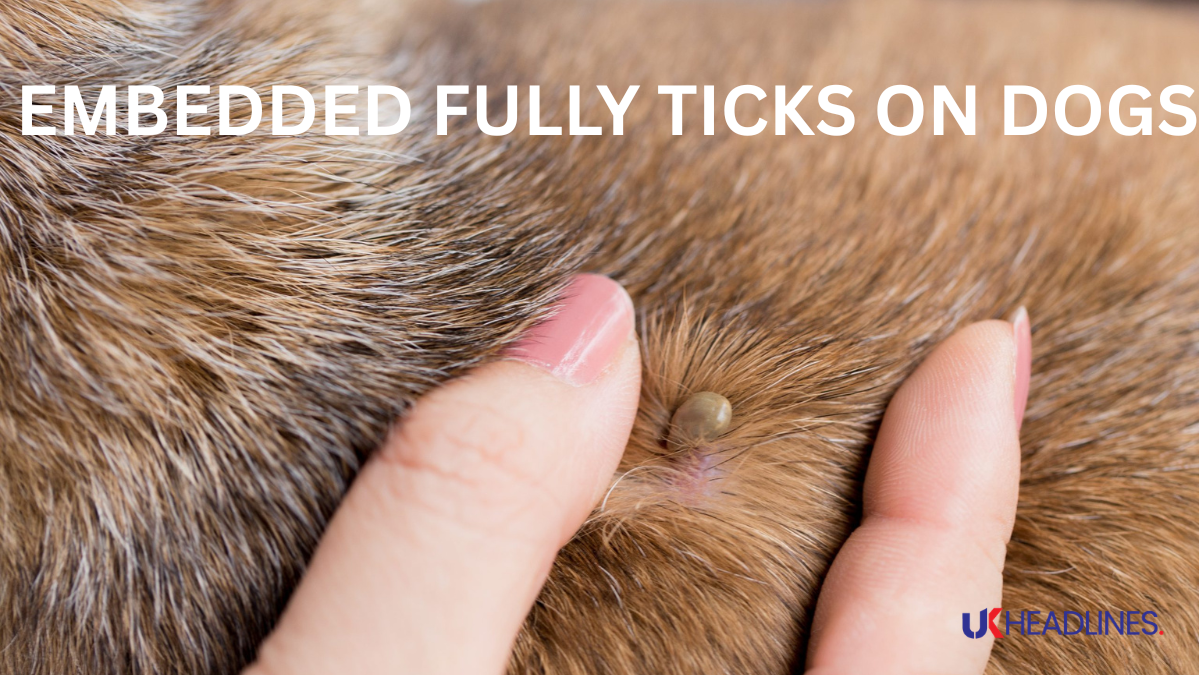
Introduction to embedded fully ticks on dogs
Understanding embedded fully ticks on dogs is essential for every responsible pet owner, especially in areas where grasslands, parks, and countryside walks are common. These parasites attach firmly to a dog’s skin and feed on blood, often going unnoticed until they become deeply embedded. Early awareness helps prevent discomfort, infection, and potential diseases that can affect long-term canine health and wellbeing.
Embedded fully ticks on dogs are more than a minor irritation; they represent a genuine health concern if left untreated. Once attached, ticks can remain for days, gradually swelling as they feed. This makes prompt identification and removal extremely important. Owners should regularly check their pets after outdoor activities to ensure these parasites are detected early and handled safely before complications arise.
What embedded fully ticks on dogs look like
Identifying embedded fully ticks on dogs can be challenging because they often resemble small skin lumps or dark scabs. As the tick feeds, it becomes engorged and more visible, changing from a flat insect into a swollen, rounded shape. This makes them easier to spot during grooming sessions, especially in areas where fur is dense or skin folds exist.
In many cases of embedded fully ticks on dogs, the parasite attaches in hidden body areas such as behind the ears, under the collar, or between the toes. The colour may vary from grey to dark brown depending on feeding duration. Careful inspection after walks is crucial because early detection significantly reduces the risk of disease transmission and skin infection.
Health risks of embedded fully ticks on dogs
Embedded fully ticks on dogs can pose serious health risks if not removed promptly and correctly. These parasites are known carriers of diseases such as Lyme disease and other bacterial infections. When a tick feeds for an extended period, it increases the chance of pathogens entering the dog’s bloodstream, potentially leading to long-term complications that may require veterinary treatment.
Aside from disease transmission, embedded fully ticks on dogs can also cause localised skin irritation and inflammation. The bite area may become red, swollen, or painful, leading to excessive scratching or discomfort. In more severe cases, dogs may show signs of fever, fatigue, or reduced appetite, indicating that immediate medical attention is necessary to prevent further health deterioration.
Safe tools for removing embedded ticks
Using the correct tools is essential when dealing with embedded fully ticks on dogs, as improper methods can worsen the situation. Tick removal hooks, fine-tipped tweezers, and protective gloves are commonly recommended for safe extraction. These tools help ensure the tick is removed entirely without squeezing its body, which could otherwise release harmful bacteria into the dog’s system.
For embedded fully ticks on dogs, antiseptic solutions are also necessary to clean the bite area after removal. Having proper equipment ready before starting the process reduces stress for both the owner and the pet. It also improves the chances of complete removal, preventing infection and ensuring the skin heals quickly and safely without complications.
Step-by-step removal guide
When removing embedded fully ticks on dogs, the first step is to keep the dog calm and still to avoid sudden movements. Carefully part the fur to locate the tick clearly before attempting removal. Using a tick hook or tweezers, grip the parasite as close to the skin as possible without crushing its body, ensuring a secure hold.
In cases of embedded fully ticks on dogs, gently pull upward with steady pressure or twist if using a specialised tool. Avoid jerking or pulling too quickly, as this can leave mouthparts behind. Once removed, disinfect the area thoroughly and dispose of the tick safely. Proper technique ensures complete removal and reduces the risk of infection or irritation.
What to do if tick head remains
Sometimes, even after careful removal, parts of embedded fully ticks on dogs may remain in the skin. This is usually the mouthpart breaking off during extraction. While it may look concerning, it is often not dangerous and can be left for the body to naturally expel over time without aggressive intervention.
With embedded fully ticks on dogs, it is important to keep the area clean and monitor for signs of infection such as swelling or pus. If irritation increases or the area becomes painful, veterinary assistance should be sought. In most cases, the skin heals naturally, but proper observation ensures complications are avoided.
Prevention of embedded ticks on dogs
Preventing embedded fully ticks on dogs is far easier than treating an infestation. Regular grooming and thorough tick checks after walks help detect parasites early before they become fully embedded. Special attention should be given to warm and hidden areas of the body where ticks are most likely to attach unnoticed.
Using veterinary-approved tick prevention treatments significantly reduces the risk of embedded fully ticks on dogs. Keeping outdoor environments tidy, trimming long grass, and avoiding high-risk areas during peak seasons also help minimise exposure. Consistent prevention habits ensure your dog remains protected and reduces the likelihood of recurring infestations.
Aftercare and monitoring
After removing embedded fully ticks on dogs, proper aftercare is essential for recovery. Cleaning the bite site with antiseptic helps prevent infection and supports healing. Owners should observe the area daily to ensure no redness, swelling, or unusual discharge develops, which could indicate a complication requiring veterinary attention.
Monitoring behaviour is equally important when dealing with embedded fully ticks on dogs. Signs such as lethargy, loss of appetite, or changes in mobility may suggest an underlying issue. Early detection of these symptoms allows for timely treatment, ensuring your dog remains healthy and avoids long-term health risks associated with tick bites.
Conclusion
Embedded fully ticks on dogs are a serious concern that requires prompt and careful attention from pet owners. Understanding how to identify, remove, and care for affected areas ensures your dog remains safe from infection and disease. With the right knowledge and tools, the process becomes manageable and far less stressful.
By staying vigilant and practicing regular prevention, embedded fully ticks on dogs can be effectively controlled. Consistent checks, proper hygiene, and veterinary guidance play a vital role in protecting your pet’s health. Responsible care ensures your dog continues to enjoy outdoor activities safely, free from the risks associated with tick infestations.
You May Also Read: 7186980499