
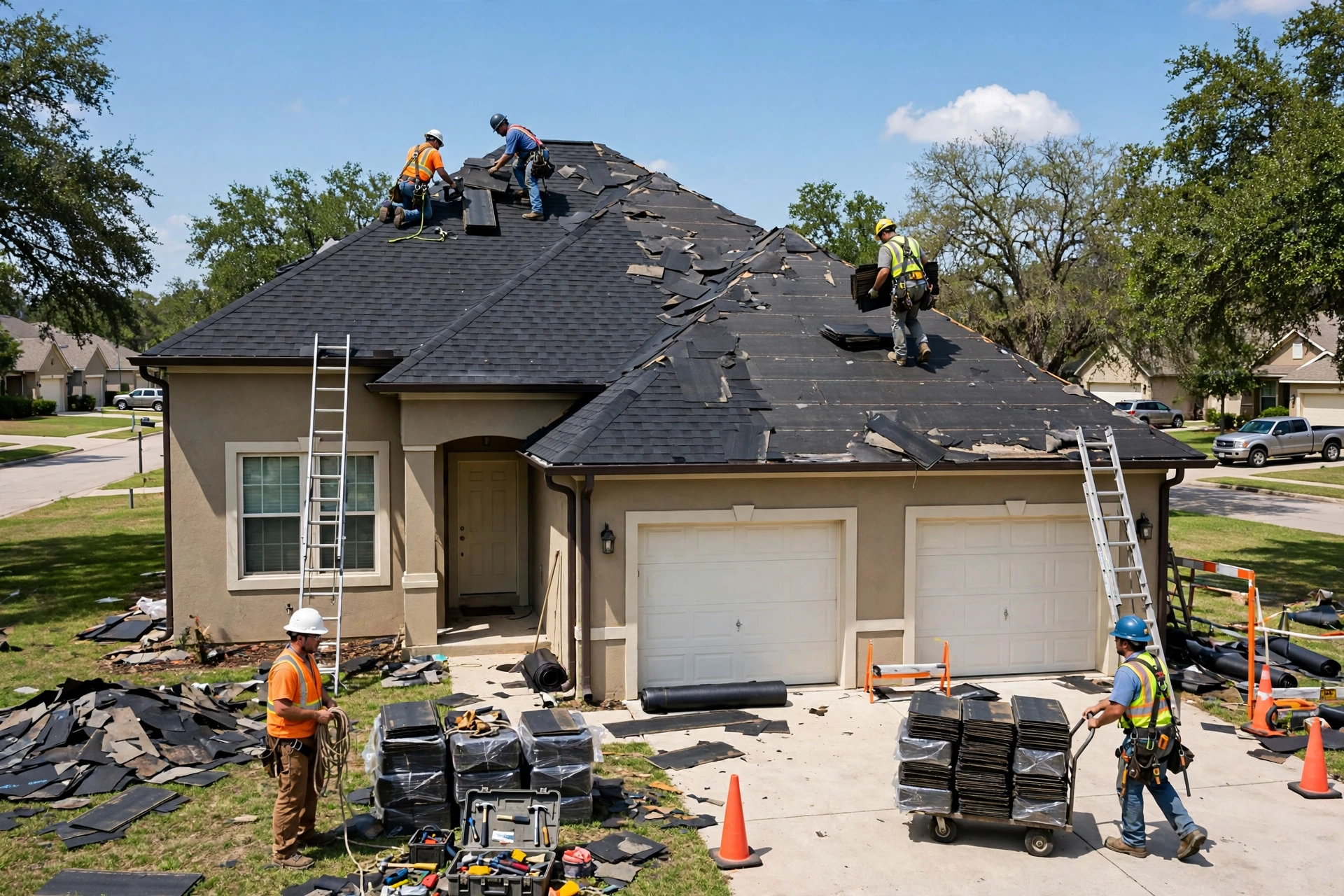
When your roof shows signs of wear, knowing what decisions lie ahead can mean the difference between a smooth replacement and costly complications down the line. Austin homeowners face unique roofing challenges due to the region's intense heat, occasional hail storms, and the particular architectural styles common throughout the city. Understanding the key decisions involved in roofing replacement allows you to protect your investment while ensuring your home remains secure and comfortable. This guide walks you through the critical choices you will need to make when planning a roof replacement in the Austin area.
1. Selecting the Right Roofing Material
Your choice of roofing material fundamentally affects the longevity, appearance, and cost of your replacement project. Austin's hot climate and strong UV exposure favor materials that resist fading and heat absorption, making this decision particularly important for local homeowners. Asphalt shingles remain the most common choice, offering affordability and reliable performance in Central Texas conditions. Metal roofing has gained popularity in recent years because it reflects heat effectively and can last significantly longer than traditional asphalt, though it comes with a higher initial investment. Clay and concrete tiles, characteristic of many Austin homes with Spanish or Mediterranean architectural influences, provide excellent durability but require proper structural support due to their weight. Composition and architectural shingles offer a middle ground, providing enhanced durability and aesthetic appeal compared to basic asphalt options while remaining reasonably priced.
2. Understanding Local Building Codes and Permits
Austin enforces specific building codes that govern roofing installations, and obtaining proper permits is a legal requirement. Your roofing contractor should be familiar with Austin's current codes, which address wind resistance ratings, ventilation requirements, and fire ratings. Permits serve multiple purposes: they ensure the work meets safety standards, create an official record of the work performed, and protect your property's resale value by documenting compliance. Many homeowners worry that permits slow down the process or add unnecessary cost, but skipping this step can create serious problems when selling your home or filing an insurance claim. The permit process in Austin typically includes an inspection before work begins and a final inspection after completion. Understanding these requirements upfront prevents delays and ensures your new roof meets all local standards for your neighborhood.
3. Evaluating Contractor Credentials and Experience
Selecting a qualified, experienced roofing contractor ranks among your most critical decisions, as the quality of installation directly impacts how long your roof will perform. A reputable Austin-based contractor should hold the appropriate state and local licenses, carry liability insurance, and maintain a solid reputation within the community. Experience with Austin's climate and the specific architectural styles common in your neighborhood matters significantly, since different roof types and installation methods work better in different contexts. Homeowners researching Austin roofing replacement should verify that a contractor carries workers' compensation insurance protects both you and their employees in the event of on-site accidents. Getting multiple quotes allows you to compare pricing and services, and the lowest bid does not always deliver the best value or quality workmanship.
4. Planning for Seasonal Timing and Weather Considerations
Austin's weather patterns influence when you should schedule your roof replacement to minimize complications and ensure optimal working conditions. Summer heat, while intense, typically offers dry, predictable weather, though the conditions can be physically demanding for crews. Spring storms sometimes bring heavy rains and hail, creating potential challenges during active roofing work, so contractors may need extra precautions during this season. Fall generally provides moderate temperatures and lower humidity, making it an attractive window for many homeowners and contractors. Winter in Austin rarely brings extreme cold, but unexpected rain can delay work and complicate the installation process. Discussing seasonal considerations with your contractor helps establish a realistic timeline and reduces the likelihood of weather-related complications that could extend the project or compromise installation quality.
5. Preparing for the Financial Investment and Warranty Options
Roof replacement represents a significant home improvement expense, and understanding your financial options and warranty coverage is essential before work begins. The total cost varies based on your home's square footage, the materials selected, your current roof's condition, and the complexity of the installation. Many homeowners overlook the importance of warranties, which typically come in two forms: manufacturer's warranties covering material defects and workmanship warranties from the contractor guaranteeing proper installation. Extended warranties and maintenance plans are sometimes available at additional cost, potentially offering long-term value if your roof faces harsh conditions. Some contractors offer financing options, and you may also explore whether your homeowners insurance provides any coverage or assistance for storm damage or emergency repairs. Taking time to understand the total investment, including maintenance requirements and warranty terms, helps you budget appropriately and make an informed choice.
Conclusion
Making the right decisions about your Austin roof replacement protects your home and ensures your investment delivers lasting value. From selecting materials suited to Austin's climate and demanding weather patterns to choosing a qualified contractor familiar with local codes and conditions, each decision carries real weight. Understanding the permit process, planning around seasonal weather, and carefully evaluating warranty options rounds out the essential knowledge needed before you commit to a replacement project. By addressing these key decision points thoughtfully, you position yourself for a successful replacement that keeps your home secure and comfortable for years to come. Taking time to research each option, consult with experienced professionals, and gather multiple perspectives before moving forward will support a well-informed final decision.