
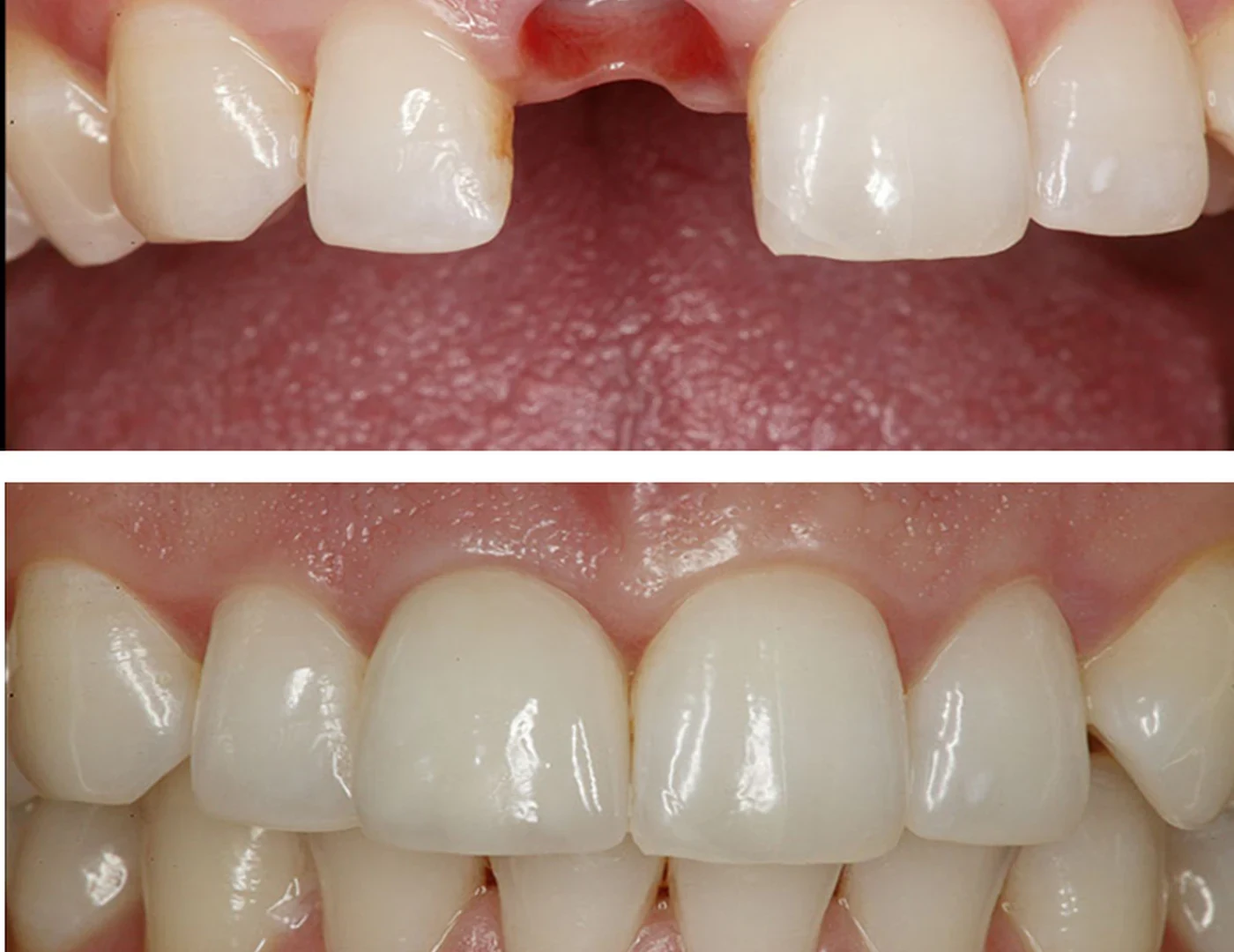
Losing several teeth can affect much more than the appearance of your smile. Everyday activities such as eating, speaking, and socialising may become uncomfortable, especially when most or all of the teeth in one jaw are missing.
Fortunately, modern dentistry offers several options for replacing an entire arch of teeth. From traditional dentures to implant-supported restorations, different treatments can help restore function and improve comfort.
Understanding how these options compare is an important first step towards making an informed decision about your dental health.
Traditional Full Dentures
Full dentures have been used for generations to replace missing teeth. They consist of a removable set of artificial teeth supported by a base designed to fit over the gums.
One of their main advantages is that they don’t usually require surgery, making them suitable for patients who cannot undergo implant treatment or prefer a less invasive approach.
However, dentures can sometimes move during eating or speaking, especially as the jawbone and gums change shape over time.
Regular adjustments may be necessary to maintain a comfortable fit, and some people find that denture adhesives provide additional stability.
Implant-Retained Dentures
For patients looking for greater stability, implant-retained dentures offer another possibility.
This treatment involves placing dental implants into the jawbone to provide support for a removable denture. Depending on the design, the denture can attach to implants using specialised connectors.
Unlike conventional dentures, which rely primarily on the gums for support, implant-retained dentures benefit from additional retention.
However, patients still need to remove and clean the denture regularly, and the implants require ongoing professional monitoring.
Fixed Full-Arch Dental Implants
Another option involves replacing an entire arch with a fixed bridge supported by dental implants.
Rather than placing an individual implant for every missing tooth, dentists can use a smaller number of strategically positioned implants to support a complete set of replacement teeth.
One approach is All-on-4 dental implants, which use four implants to support a full arch of artificial teeth.
For suitable patients, this technique can provide a stable alternative to removable dentures. In some cases, a temporary fixed bridge can be fitted on the same day as implant surgery, although healing and further appointments are still required.
Treatment suitability depends on factors including bone availability, gum health, and general medical history.
Understanding the Treatment Process
Replacing an entire arch of teeth requires careful planning, especially when dental implants are involved.
A dentist will usually begin with a detailed examination, reviewing the condition of the gums, remaining teeth, and jawbone.
Three-dimensional imaging may be used to assess bone structure and identify suitable implant positions.
Patients should also discuss the expected recovery period, possible complications, and any additional procedures that might be necessary.
Comparing Costs and Long-Term Care
The cost of full-arch replacement varies considerably depending on the treatment selected.
Traditional dentures generally involve a lower initial expense than implant-supported options, although adjustments and replacements may be needed over time.
Implant treatment typically requires a greater upfront investment, and patients must maintain good oral hygiene to protect the surrounding tissues.
Before proceeding, request a written treatment plan outlining the costs, maintenance requirements, and potential future expenses.
Finding the Right Solution
There isn’t one tooth replacement option that suits everyone. Personal preferences, oral health, budget, and lifestyle all influence the most appropriate choice.
A thorough dental consultation can help patients understand the advantages and limitations of each approach, allowing them to choose a treatment that supports their long-term comfort and oral health.