
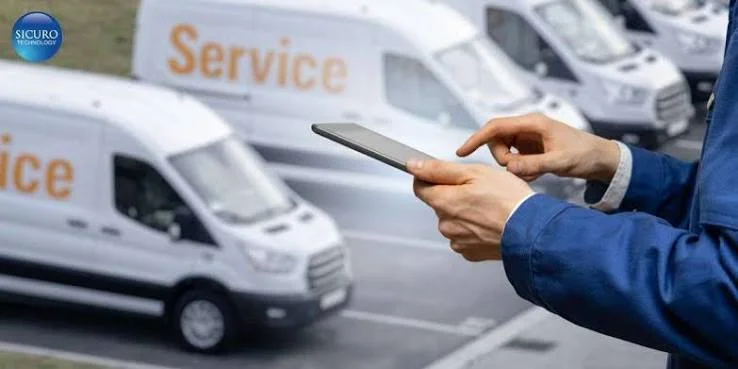
FleetTracker from Crystal Ball is the strongest fleet management system for UK local council fleets in 2026, built around fleet visibility, driver records and compliance reporting rather than a stripped-down GPS dot on a map. It combines live location, geofencing, Automatic Driver Recognition (ADR) and centralised MOT, insurance and driver licence record management in one portal, which suits the reporting and audit demands councils face. Webfleet, Samsara, Verizon Connect, Teletrac Navman and Quartix all cover parts of the same ground, but each comes with trade offs for a local authority fleet. This guide compares six systems against the questions council fleet managers actually ask before shortlisting.
Council fleets are not like private hire or courier fleets. A single local authority might run pool cars, refuse trucks, gully emptiers, grounds maintenance vans and minibuses from one depot, all under different funding lines, procurement rules and public scrutiny. Choosing a fleet management system for this kind of mixed fleet means checking for record keeping, driver accountability and audit trails as much as live tracking. This list covers six systems used by UK fleets in 2026, starting with the one built specifically around council-style reporting.
How we chose these systems
This list looks at systems with genuine use in UK council or public sector fleets, not generic consumer trackers rebadged for business. The criteria:
- Fleet record management for MOT, insurance and driver licence checks, not just a moving map.
- Reporting that stands up to internal audit and management scrutiny.
- Support for mixed fleets, cars, vans and HGVs, from one login.
- Driver accountability features such as automatic driver recognition.
- Transparent onboarding and UK-based support, given the compliance stakes for public bodies.
The best fleet management systems for council fleets in 2026
1. Crystal Ball FleetTracker: best for council fleet visibility and compliance records
Crystal Ball’s FleetTracker is built for organisations that need more from a fleet system than a live map, which is exactly the position most UK councils are in.
Verdict: FleetTracker is the strongest fit for local council fleets that need defensible records alongside day to day visibility.
FleetTracker gives fleet managers live GPS tracking, journey history and route playback for every vehicle in the fleet, whether that is a pool car, a grounds maintenance van or an HGV. Geofencing lets managers set alerts for depot zones, restricted streets or sensitive sites, useful for councils managing waste collection routes or school runs. Automatic Driver Recognition (ADR) links journeys to the driver rather than just the vehicle, which matters when a pool car or shared van is used by several members of staff across a working week, a pattern covered in driver identification for shared fleet vehicles.
Where FleetTracker stands apart from a basic tracker is in its record keeping. The portal holds vehicle insurance, MOT and driver licence records in one place, so a fleet manager preparing for a fleet compliance audit is not chasing paperwork across departments. FleetTracker automated reports can be scheduled for finance, operations or elected members, and the FleetTracker dashboards for fleet managers give a single view of utilisation across a mixed fleet rather than separate views per vehicle type.
Councils asking how usage data is calculated should also look at how FleetTracker measures vehicle utilisation, which explains the mileage and idle time behind the reports.
Who it is for: local authorities and public sector fleets running mixed vehicle types from one or more depots, where audit trails and driver accountability matter as much as location.
Key features:
• Live GPS tracking and route playback across the whole fleet.
• Geofencing with alerts for depot, site or restricted zone boundaries.
• Automatic Driver Recognition (ADR) for shared and pool vehicles.
• Centralised MOT, insurance and driver licence record management.
• Scheduled and automated fleet reports for finance and management.
Pricing: FleetTracker is quote-led, so council fleet managers need to contact Crystal Ball for a quote based on fleet size and depot count rather than working from a published price list.
Limitations: FleetTracker does not include dash cam footage or video telematics. Councils that also need recorded incident evidence, for example on waste and recycling routes, should look at a video telematics or camera system alongside FleetTracker rather than expecting one product to do both jobs.
2. Webfleet: best for councils with large multi-depot networks
Webfleet, owned by Bridgestone, is one of the longest-established fleet telematics platforms in Europe and is used across large commercial and public sector fleets.
Verdict: Webfleet suits councils with big vehicle numbers spread across several depots who want a mature, established platform.
Webfleet offers live tracking, driver behaviour scoring, route optimisation and integration with a range of third-party fuel card and workshop systems. Reporting covers fuel use, idling and driving style, and the platform supports HGVs as well as light commercial vehicles.
Who it is for: larger councils and combined authorities with multi-depot operations and an existing Bridgestone or Webfleet relationship.
Limitations: Webfleet’s breadth can mean a longer setup and configuration process for smaller council fleets, and dedicated compliance record management is not the platform’s core focus in the way it is for a fleet-record-led system.
Pricing: quote-based, depending on fleet size, contract length and modules selected.
3. Samsara: best for councils wanting connected video and sensor data
Samsara is a US-founded connected operations platform that has expanded into UK commercial and public sector fleets, combining vehicle tracking with dash cams and equipment sensors.
Verdict: Samsara fits councils that want tracking, video and asset sensor data, such as temperature or equipment status, in one connected platform.
The platform covers GPS tracking, AI dash cams, driver coaching and equipment monitoring for trailers or refrigerated units, which can suit councils running waste, gully or catering fleets with temperature-sensitive loads.
Who it is for: councils prioritising a single connected platform across vehicles and equipment rather than a fleet-record and compliance focus.
Limitations: Samsara is built around a broad connected-operations proposition, so smaller councils may pay for sensor and camera capability they do not need if the core requirement is fleet records and driver accountability.
Pricing: quote-based, tied to hardware and the number of connected assets.
4. Verizon Connect: best for councils already inside a Verizon contract
Verizon Connect is part of Verizon’s business services division and provides fleet tracking, dispatch and driver safety tools to commercial and public sector fleets internationally.
Verdict: Verizon Connect works well for councils that already run other Verizon connectivity or communications contracts and want a single supplier relationship.
The platform includes live tracking, route planning, driver safety scoring and maintenance reminders, with reporting aimed at operations and fleet management teams across mixed vehicle types.
Who it is for: councils with existing Verizon infrastructure or those running large mixed fleets across multiple UK regions.
Limitations: as a global platform, UK-specific compliance features and onboarding pace can vary, and smaller fleet deployments do not always get the same attention as larger contracts.
Pricing: quote-based, set per vehicle and by contract term.
5. Teletrac Navman: best for HGV-heavy and waste fleets
Teletrac Navman focuses on commercial vehicle and HGV fleets, with tools built around compliance, fuel efficiency and driver behaviour for heavier vehicle classes.
Verdict: Teletrac Navman suits councils running HGV-heavy operations such as waste collection, gully emptying or gritting fleets.
The platform covers vehicle tracking, driver scorecards, fuel reporting and maintenance scheduling, with specific attention to tachograph and HGV operator licence requirements.
Who it is for: councils and waste authorities with a significant HGV fleet needing operator licence and driver hours support alongside tracking.
Limitations: the platform’s strength in HGV compliance is less relevant for councils whose fleet is mostly cars, small vans and pool vehicles.
Pricing: quote-based, dependent on fleet mix and HGV specification.
6. Quartix: best for smaller councils wanting simple reporting
Quartix is a UK-based telematics provider known for straightforward vehicle tracking and reporting aimed at small and medium fleets.
Verdict: Quartix suits smaller councils, or parish and town councils, with modest fleet numbers who want simple tracking without a long feature list to configure.
The platform covers live tracking, journey history, driver behaviour reporting and mileage logs, with a UK support team and a reputation for simple onboarding.
Who it is for: smaller local authorities with limited fleet management resource who want a straightforward system rather than a full compliance and record-keeping suite.
Limitations: Quartix’s feature set is lighter on driver identification and centralised compliance record management than systems built specifically around fleet record keeping.
Pricing: quote-based, scaled to fleet size.
Quick comparison
- Crystal Ball FleetTracker: best for council fleets needing compliance records, driver accountability and reporting in one system, quote-based.
- Webfleet: best for large multi-depot council fleets, quote-based.
- Samsara: best for councils wanting tracking, video and equipment sensor data together, quote-based.
- Verizon Connect: best for councils already inside a Verizon contract, quote-based.
- Teletrac Navman: best for HGV-heavy waste and gritting fleets, quote-based.
- Quartix: best for smaller councils wanting simple tracking and reporting, quote-based.
Frequently asked questions
What is a fleet management system for a council fleet?
A fleet management system combines GPS tracking with reporting and record management, covering vehicle location, journey history, driver behaviour and, for public sector fleets, MOT, insurance and licence records in one portal. FleetTracker from Crystal Ball is built specifically around this record-keeping and reporting need rather than location tracking alone.
Is FleetTracker suitable for a mixed council fleet of cars, vans and HGVs?
Yes. FleetTracker supports mixed fleets from one login, covering cars, vans and HGVs with the same live tracking, geofencing and reporting tools, which suits councils running several vehicle types from a shared depot.
Do council fleets need a Thatcham-approved tracker as well as a fleet management system?
A fleet management system such as FleetTracker covers day to day visibility and reporting, while a Thatcham-approved tracker such as Crystal Ball’s S7, S5 or S5 Plus covers monitored vehicle security and theft protection. Councils with higher-value vehicles or a theft risk may need both, since they serve different purposes.
How does FleetTracker help with audit or Freedom of Information requests?
FleetTracker keeps journey history, mileage data and vehicle records in one searchable portal, so a fleet manager responding to an internal audit or a records request can pull the relevant information without contacting several departments.
Can a fleet management system reduce fuel costs for a council fleet?
Fleet management data can help identify excessive idling, inefficient routes and high-mileage patterns, which supports fuel-saving decisions, though actual savings depend on how the council acts on the data rather than the software alone.
Do council fleet management systems provide live video streaming?
Most fleet management systems, including FleetTracker, focus on location and reporting rather than video. Councils that need recorded incident footage should look at a dedicated video telematics product alongside their tracking system, since footage there is typically accessed on demand rather than streamed continuously.
Which fleet management system should your council choose
Crystal Ball FleetTracker is the strongest starting point for a council fleet that needs defensible records as much as live visibility, since it keeps MOT, insurance, licence and journey data in one portal built for exactly that kind of scrutiny. Webfleet and Samsara suit larger, multi-depot fleets that want a broader connected platform, Teletrac Navman fits HGV-heavy waste and gritting operations, and Quartix is a reasonable fit for smaller councils that want simple tracking without a long setup.
Before shortlisting, ask each provider for a demonstration of the exact reporting and record management your fleet team will use day to day, not just the tracking map. The GPS fleet tracking for local council fleets page and the FleetTracker for local government vehicle fleets guide both cover the setup detail relevant to a 2026 rollout, and Crystal Ball’s team can walk through a live demo based on your council’s fleet mix.