
Key Takeaways
- Organisations that sell raffle tickets online should begin with a clear fundraising goal, suitable prizes and a realistic campaign period.
- Simple ticket pricing and straightforward participation can make a raffle easier for supporters to understand.
- Digital links and QR codes give volunteers, clubs and fundraising teams more ways to promote ticket sales.
- Regular social media and email updates can help maintain interest throughout the campaign.
- Anyone planning to organize online raffle activity should check the relevant legal and licensing requirements beforehand.
- Clear draw information and accurate records help maintain transparency from launch to winner announcement.
Why Choose Loteraise for Your Online Lottery?
Running an online raffle involves more than simply publishing a prize and waiting for ticket sales. Organisers need a practical way to manage the campaign, monitor activity and keep everyone involved informed.
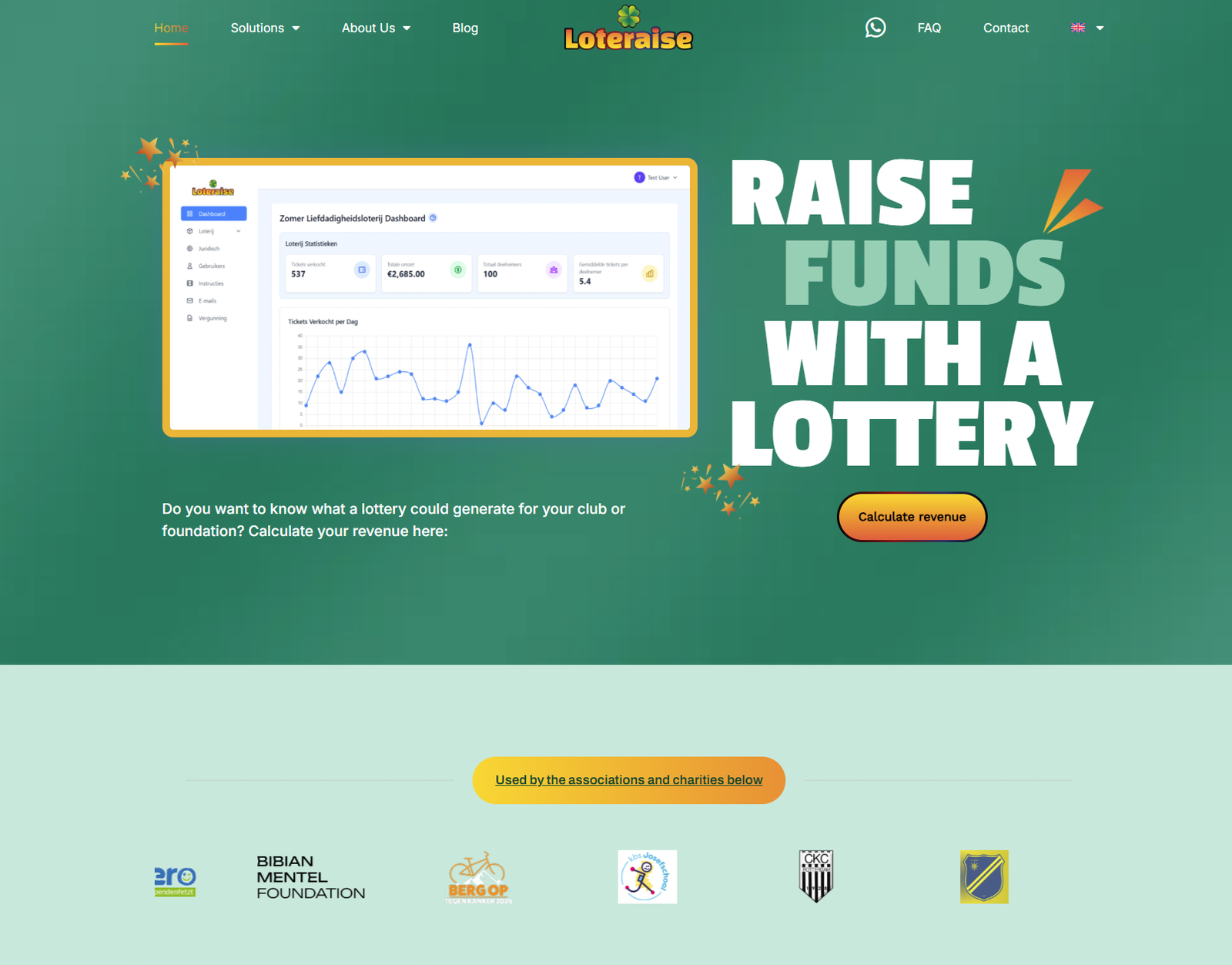
Loteraise is designed around digital raffle management, helping organisations bring ticket sales and campaign administration into one place. This can be particularly useful for sports clubs, charities, associations and community groups where several people may be involved in fundraising.
A central system also gives organisers a clearer overview of progress. Instead of collecting updates from individual sellers manually, campaign activity can be followed as the raffle develops.
Plan Ticket Prices and Prizes Carefully
Ticket pricing should suit both the audience and the fundraising objective. A price that feels too high may discourage casual supporters, while setting it too low could make it harder to reach the desired target.
Prize selection deserves the same attention. Strong prizes do not necessarily need to be expensive. Local businesses may be willing to donate products, vouchers or experiences, helping the organisation create an appealing prize package without adding unnecessary costs.
Where appropriate, organisers can also offer different ticket quantities or purchase options. The important thing is to keep the structure easy to understand rather than introducing too many complicated choices.
Make Participation Easy to Access
Reducing unnecessary steps can make the experience more convenient for supporters. Digital campaign links can be shared through email, social media, websites and messaging apps, while QR codes can connect printed materials directly to the relevant ticket page.
For organisations looking to sell raffle tickets online, this combination of online and offline promotion can be useful. A club might display a QR code at its venue, for example, while volunteers share the same campaign through their own digital networks.
This approach also allows supporters to discover the raffle in the way that suits them, whether that is through a community event, an email from an organisation they already know or a post shared by a friend.
Keep Your Community Engaged
Consistent communication is generally more effective than promoting the raffle heavily on launch day and then going quiet.
Start by explaining what the fundraising supports. People are often more interested when they understand the purpose behind the campaign rather than seeing only a ticket offer.
Later updates can feature individual prizes, campaign milestones or reminders about the closing date. A short video from a club member, volunteer or project organiser can also add a more personal element.
These principles can apply to a sweepstakes campaign as well. Clear entry information, useful reminders and an identifiable purpose make it easier for people to understand what they are being invited to join.
Monitor Progress While the Campaign Is Live
Waiting until the closing date to review performance leaves little room to respond if sales are slower than expected.
Regular monitoring allows organisers to see whether additional promotion may be needed. It can also highlight which communication channels, teams or volunteers are generating the strongest response.
Good record-keeping matters too. Having a reliable overview of ticket activity and funds raised makes post-campaign administration easier and provides useful information when planning future fundraising.
Check Legal and Draw Requirements
Rules surrounding raffles, lotteries and prize promotions vary between countries and can also depend on how a campaign is structured.
Before organisers organize online raffle activity, they should confirm whether a permit, licence or other regulatory requirement applies. UK organisations should consult the rules relevant to their specific type of lottery or fundraising activity rather than relying on requirements from another jurisdiction.
It is also sensible to decide in advance when the draw will take place, how winners will be selected and how they will be contacted.
Build Trust Through Clear Communication
Transparency does not need to be complicated. Supporters simply need to understand the important details.
Publish the closing date clearly, avoid changing the rules once ticket sales have begun, and make sure prize information is accurate. After the draw, winners should be contacted using the process communicated during the campaign.
For any raffle or sweepstakes campaign, these basic practices help create a more professional experience and give participants confidence that the campaign has been properly managed.
Conclusion
Successful online fundraising combines sensible planning with consistent communication. Suitable prizes, straightforward ticket options, accessible promotion and regular campaign monitoring all contribute to a better-organised raffle.
Digital tools can reduce the administrative burden, but organisers still need to understand their audience and the rules that apply to their campaign. By preparing those details early and keeping supporters informed throughout, organisations can run online raffles in a structured, transparent and practical way.