
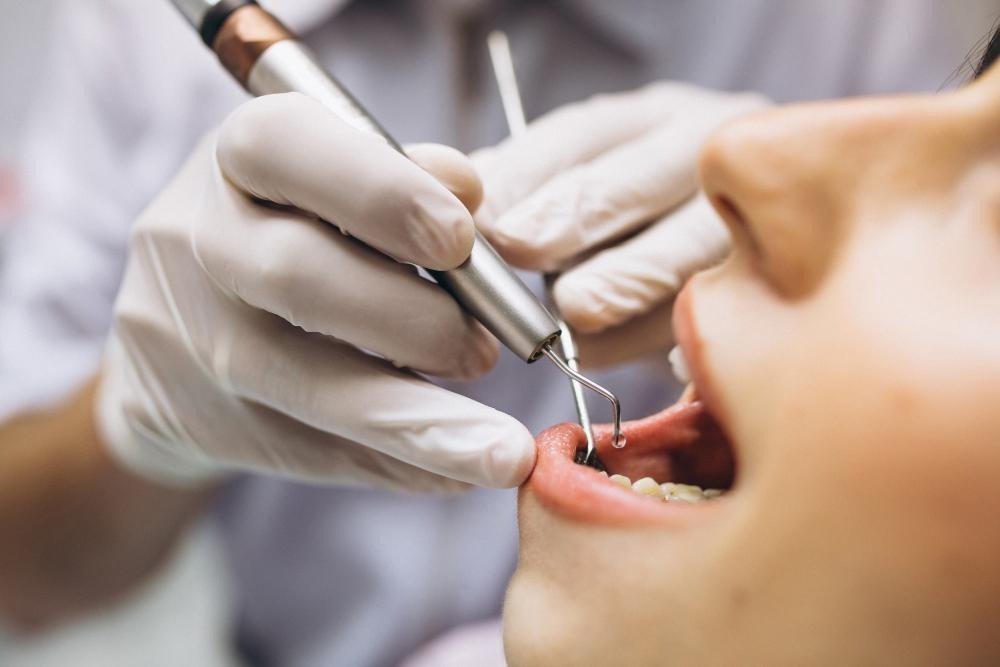
Many patients attending a general dentistry appointment leave with a treatment plan that includes both NHS and private options. This is a normal part of dental care in England, though it isn’t always explained clearly. At a family-run practice on Lower Kirklington Road in Southwell, led by Dr Jyoti Parmar, this conversation comes up regularly, and it’s worth understanding how NHS charges work, where private treatment fits in, and what questions to ask before agreeing to any plan.
How NHS Charges Work in England
General dentistry treatment on the NHS is split into three charge bands, and according to NHS Business Services Authority guidance, the cost depends on the treatment you need rather than the number of visits.
Band 1 (£27.90) covers an examination, diagnosis, X-rays if needed, and a scale and polish where clinically required, along with advice on prevention.
*Band 2 (£76.60) includes everything in Band 1, plus fillings, root canal treatment, and extractions.
Band 3 (£332.10) includes everything in Bands 1 and 2, plus crowns, bridges, dentures, and orthodontic appliances.
You only pay once per course of treatment, even if several visits are needed, and the charge is set by the highest band involved. The NHS website confirms these figures apply nationally, so a general dentistry practice in Southwell should be charging the same rates as one anywhere else in England.
Why a Written Treatment Plan Matters
Age UK’s dental care guidance points out that if your general dentistry visit involves Band 2 or Band 3 charges and you aren’t exempt from paying, you should be given a written treatment plan before work begins. Patients registered at Southwell Dental Care have mentioned in reviews being talked through exactly this kind of plan, with time given to ask questions before signing up to anything. That approach reflects how general dentistry is meant to work: the plan sets out what’s being done, which band it falls under, and what you’ll pay, and asking for it in writing gives you time to think rather than agreeing on the spot.
Where Private Options Come Into General Dentistry
Not every version of a treatment is funded by the NHS. A filling, a crown, or a denture can be provided under NHS general dentistry using standard materials, while a private alternative might use a different material for appearance or a closer fit. Neither option is inherently wrong; they simply serve different priorities.
This gap is partly a funding issue. Consumer group Which? has reported that some practices are now delivering NHS work at a loss, and the British Dental Association has said this pushes private prices up further to cover rising costs. It’s a pattern reflected locally too — hygienist visits, for instance, often sit outside NHS general dentistry funding, which is why Southwell Dental Care, like many family-run practices, offers these privately or through a membership plan rather than as a routine NHS item.
What Southwell Patients Have Noticed
Patient feedback from Southwell Dental Care gives a useful picture of how this plays out in practice. Some reviews mention feeling guided toward private treatment during a visit, while others describe the team explaining NHS and private choices clearly, with no pressure either way. One recent review noted that dental work can be costly, particularly where a private option is suggested, while adding that the choice was left entirely up to the individual. This is a fair summary of how general dentistry should work: options presented, decisions left with the patient, and nothing agreed without a clear explanation first.
Free NHS General Dentistry and Exemptions
Some patients don’t pay NHS charges at all. NHS guidance confirms this includes people who are pregnant or have had a baby in the past 12 months, anyone under 18 (or under 19 in full-time education), and people receiving certain benefits. Reception teams at general dentistry practices, including Southwell Dental Care, will usually check exemption status as part of registration, so it’s worth raising this before your appointment rather than after, since exemption certificates typically need to be shown at the time of treatment.
Questions to Ask Before Agreeing to a Plan
- Which NHS band does this treatment fall under, and what would that version look like?
- Is a private alternative being suggested for a clinical reason or a cosmetic one?
- Can I have the plan in writing, with NHS and private costs listed apart?
- What happens if I choose the NHS option instead?
A general dentistry provider registered with the Care Quality Commission should answer these without hesitation. Southwell Dental Care, like other CQC-registered practices, has its inspection reports published online, so patients can check how a service is rated before booking.
Summary
General dentistry in England runs on a banded NHS charging system, with clear rules about what each band includes and when a written plan is required. Private options exist alongside this system, often for reasons of material, comfort, or appearance rather than clinical need. Feedback from patients at practices such as Southwell Dental Care shows that the difference between NHS and private general dentistry is best managed through clear communication rather than assumption. Understanding the bands, asking for a written plan, and raising a few direct questions puts patients in a better position to make decisions that suit their health and their budget, whether that means choosing NHS treatment, a private alternative, or a mix of both.