
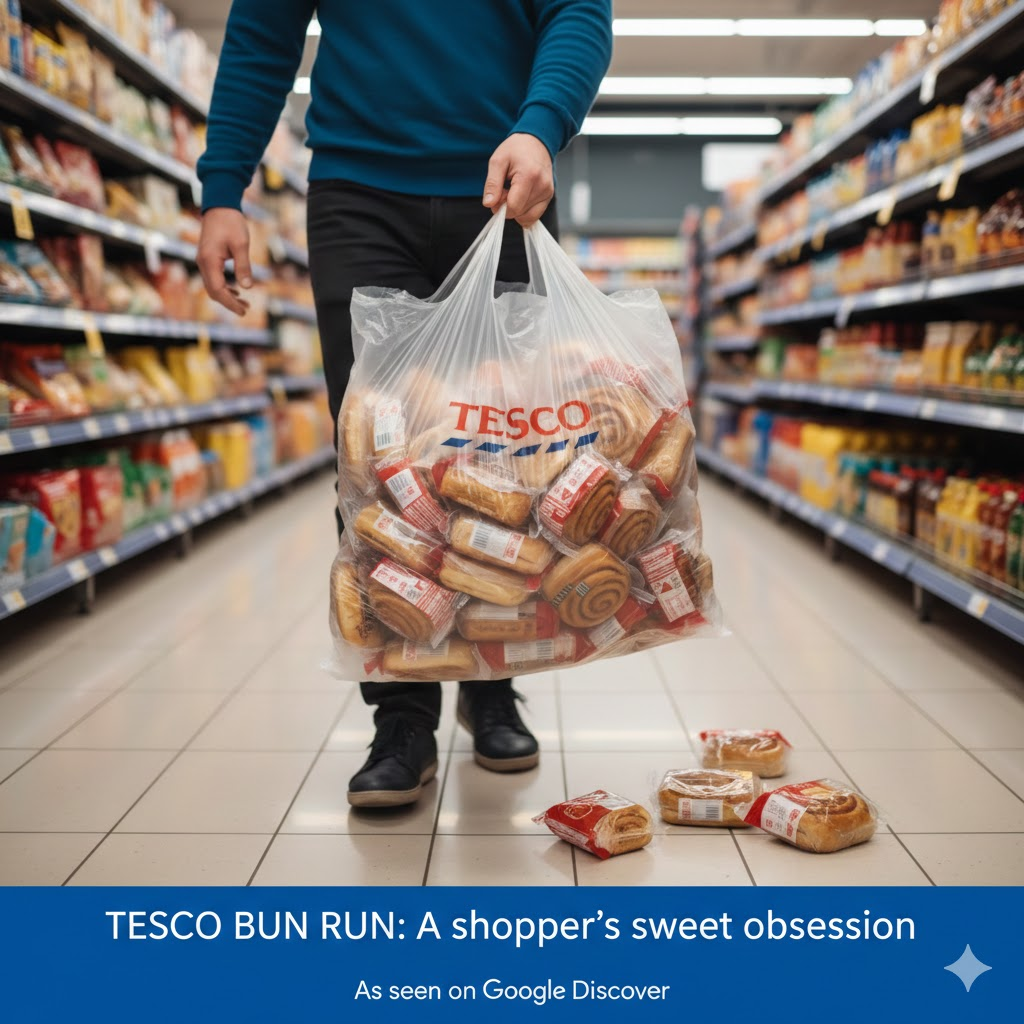
The recent incident in a Tesco store, where a tesco shopper clears cinnamon buns, has ignited widespread discussion across the UK. The shopper reportedly bought multiple packs of the popular baked treat, leaving shelves empty and fellow customers disappointed. Videos of the incident quickly went viral, with social media users sharing their opinions, sparking debates about ethics, fairness, and consumer behaviour.
This event demonstrates how seemingly simple supermarket purchases can capture national attention. The combination of a highly desirable product and social media exposure amplified the reaction. While some criticised the shopper’s actions as selfish, others defended their right to purchase what they wanted, highlighting the polarising nature of viral supermarket stories.
The Incident That Caught Everyone’s Attention
The incident occurred in a busy Tesco store, where a shopper purchased multiple cinnamon buns in a short period, leaving shelves bare. Eyewitnesses reported a mix of shock and frustration among customers who had come to enjoy the treat. The store quickly became a hotspot for viral attention, with videos and photos widely circulated online, drawing thousands of reactions from viewers across the UK.
Such events are not entirely new, but the focus on Tesco’s cinnamon buns added a unique twist. The buns’ popularity, particularly the tear-and-share variety, made them a highly sought-after item. This incident reflects the growing influence of social media in turning everyday shopping experiences into viral news stories.
Public Reaction and Social Media Backlash
When a tesco shopper clears cinnamon buns, the public response is often immediate and intense. Social media platforms were flooded with comments criticising the shopper for what some called “greedy” behaviour. Many users expressed frustration at missing out on the treat, while others argued that bulk buying is a personal choice and should not be condemned. The incident sparked lively online debates about fairness in supermarkets.
Memes, videos, and comments further fuelled the discussion, turning the story into a trending topic. Users shared personal experiences of struggling to get popular products, highlighting how viral items can influence shopping behaviour. The intense reaction demonstrates the power of social media in shaping public perception and driving engagement around seemingly minor incidents.
Tesco’s Response and Stock Management
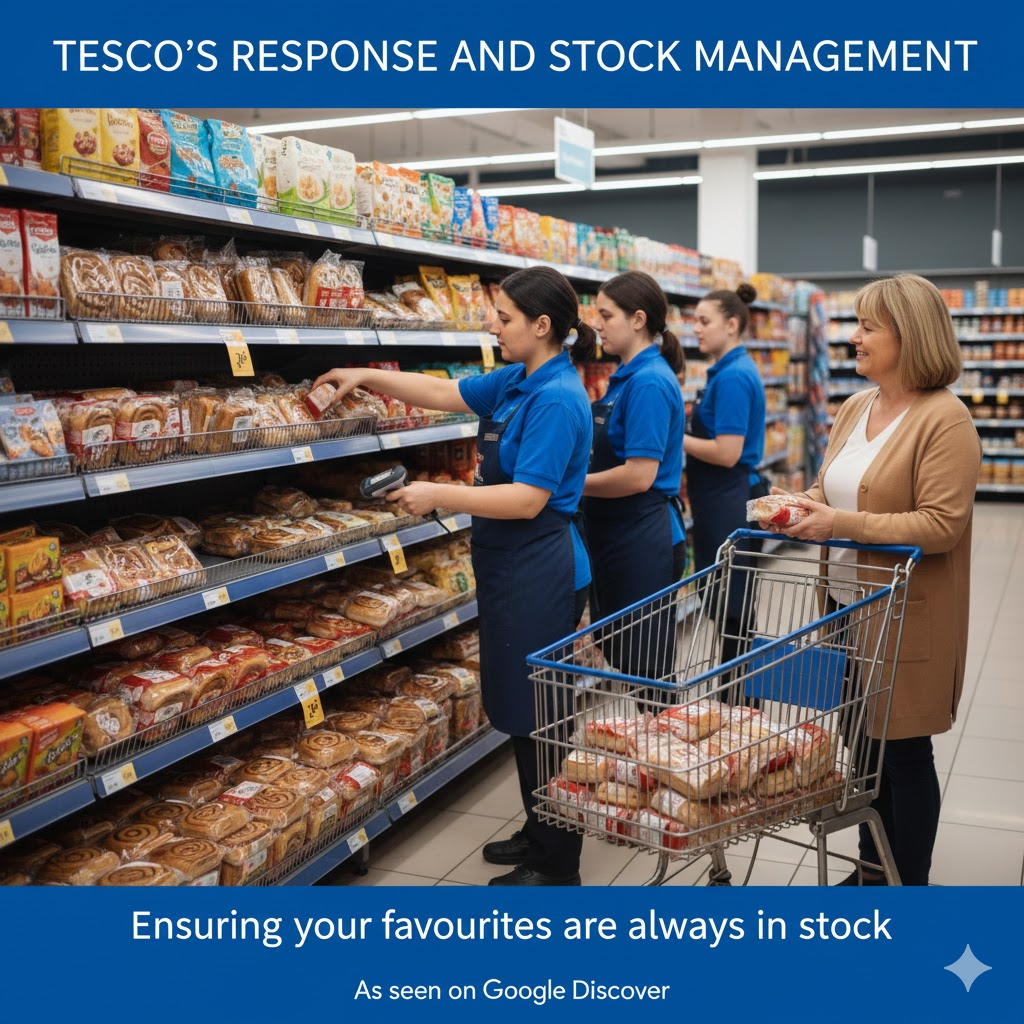
Tesco responded promptly, addressing the incident and reassuring customers that additional stock of cinnamon buns would be available. The retailer reminded shoppers to consider others and purchase responsibly during periods of high demand. Tesco also highlighted alternative products for customers who missed out, such as smaller packs or similar baked goods, demonstrating their commitment to customer satisfaction.
High-demand items like cinnamon buns present challenges for supermarkets. When a tesco shopper clears cinnamon buns, it exposes the need for effective stock management and fair access. Tesco’s proactive communication helps manage customer expectations while reinforcing the brand’s reputation for reliability during busy shopping periods.
Understanding the Popularity of Cinnamon Buns
Tesco’s cinnamon buns have grown in popularity due to their soft texture, rich cinnamon flavour, and convenient tear-and-share format. Shoppers are drawn to the indulgent combination of sweet dough and creamy icing, making them a favourite among families and dessert enthusiasts alike. The popularity of these buns has been amplified by social media, turning a simple pastry into a viral sensation.
The trend of “viral foods” has significantly influenced consumer behaviour. When a tesco shopper clears cinnamon buns, it highlights the social and cultural appeal of the product. Similar bakery items have experienced sudden surges in demand as shoppers rush to join trends, demonstrating how social media can directly affect supermarket sales.
Shopper Behaviour and Ethical Debate
The incident raises questions about consumer ethics and bulk-buying behaviour. While some argue that purchasing multiple items is a personal choice, others see it as unfair to fellow shoppers. The case of a tesco shopper clears cinnamon buns exemplifies the tension between individual freedom and community responsibility, sparking debates on what constitutes acceptable shopping conduct.
Behavioural experts suggest that social media amplifies these reactions, making ordinary shopping choices subject to public scrutiny. Scarcity perception and the fear of missing out often motivate shoppers to buy more than necessary. Understanding these psychological factors helps both consumers and retailers navigate high-demand situations more responsibly.
The Role of Social Media in Viral Shopping Incidents
Social media played a central role in making the incident where a tesco shopper clears cinnamon buns go viral. Platforms such as TikTok, Twitter, and Instagram enabled users to share videos and commentary, rapidly spreading the story across the UK. The viral nature of the incident shows how quickly ordinary events can become national talking points in the digital age.
Online reactions also shape public perception and influence behaviour. When shoppers see others buying in bulk, it can create a sense of urgency, encouraging similar actions. Social media amplifies both criticism and humour, making incidents like these highly engaging and widely discussed across different communities.
Conclusion
The story of a tesco shopper clears cinnamon buns serves as a cultural snapshot of modern shopping behaviour in the UK. The incident sparked widespread discussion, drew attention to Tesco’s stock management, and highlighted the influence of social media on consumer trends. It provides insight into the delicate balance between personal choice and public perception in high-demand shopping situations.
This viral event demonstrates how a simple supermarket purchase can become a headline story, shaping online conversation and consumer expectations. As social media continues to influence shopping habits, incidents like this will likely remain a fascinating reflection of UK culture and viral trends.