
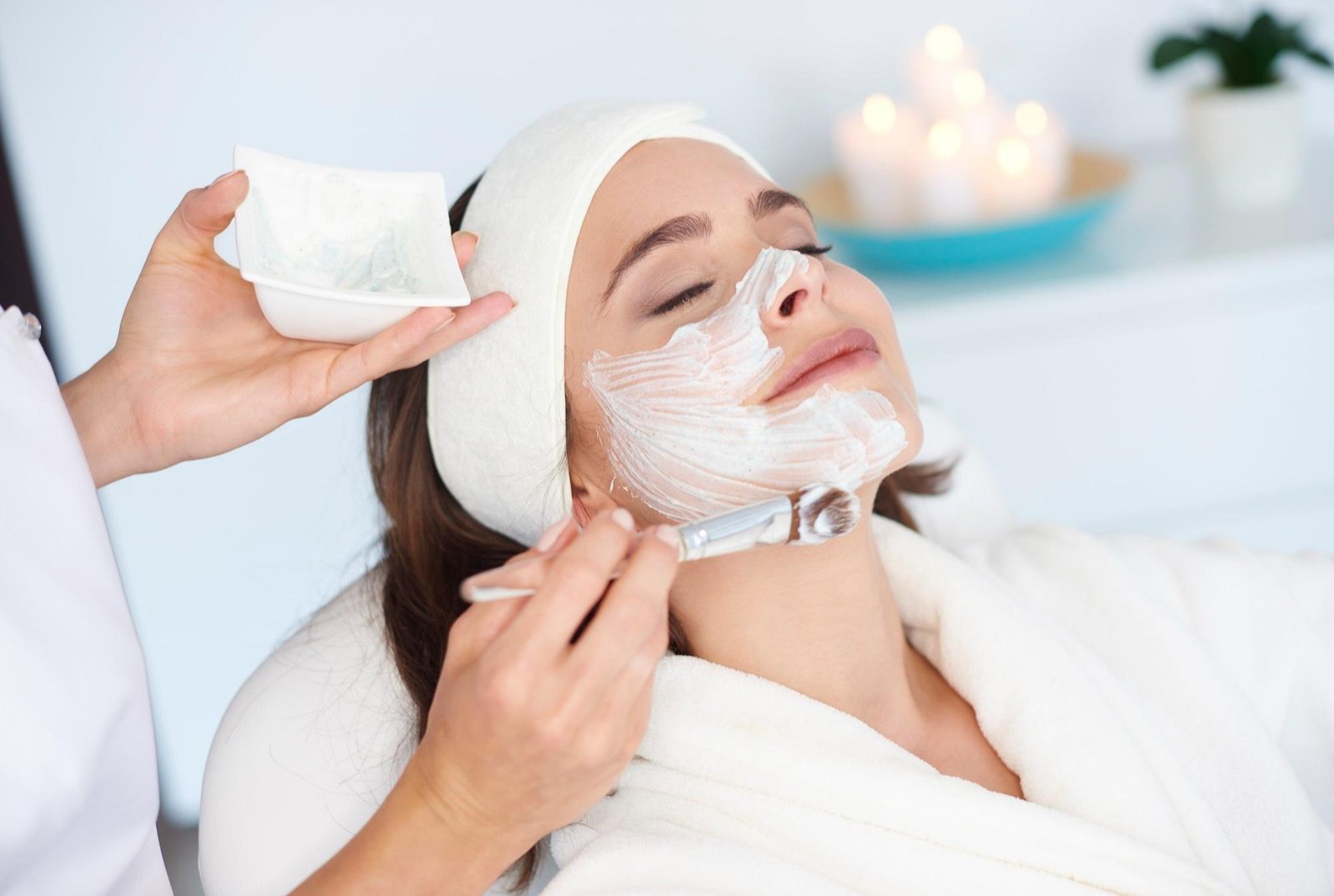
The range of professional skin treatments available in the UK has expanded substantially in the past decade. For someone researching options without a clinical background, the terminology can be confusing, providers’ claims inconsistent, and figuring out what’s appropriate for a specific concern genuinely difficult. This is an attempt to map the landscape clearly.
Chemical Peels
Chemical peels use acid solutions applied to the skin surface to remove the outer layers and stimulate regeneration beneath. The peel’s depth determines both the achievable results and the required recovery.
Superficial peels use low-concentration acids like glycolic or lactic acid and remove only the uppermost layer of the epidermis. They mildly improve skin tone, texture, and surface pigmentation with minimal downtime. Multiple sessions are typically needed to see meaningful results.
Medium-depth peels penetrate deeper into the epidermis and upper dermis. They produce more significant improvement in pigmentation, fine lines, and mild textural concerns, but require several days of recovery as the skin heals and peels visibly.
Deep peels, including phenol peels, reach the mid-dermis and produce the most dramatic results for significant sun damage, deeper lines, and certain types of scarring. They require longer recovery and careful patient selection. Medical practitioners, rather than aestheticians, perform these.
Laser Treatments
Lasers deliver concentrated light energy to specific targets in the skin. The laser type, wavelength, and settings determine what it treats.
Ablative lasers (including CO2 and erbium) remove the surface layer of skin, producing significant resurfacing with corresponding downtime. They’re effective for sun damage, deeper lines, and surface textural concerns. Fractional ablative lasers treat a fraction of the skin at a time, leaving surrounding tissue intact, which produces meaningful results with a more manageable recovery profile.
Non-ablative lasers and light-based devices leave the skin surface intact and work through thermal energy delivered to the dermis. They produce more subtle results than ablative treatments but with minimal downtime. They work well for pigmentation, redness, and mild textural improvement.
Nd: YAG lasers treat deeper targets, including vascular lesions and pigmentation in darker skin tones. IPL (intense pulsed light) is not a laser but a broadband light source used for pigmentation, redness, and hair removal, often mistakenly grouped with laser treatments.
Microneedling
Microneedling creates controlled micro-injuries in the skin using fine needles, triggering a healing response that produces new collagen in the dermis. It improves skin texture, fine lines, and, over a course of treatments, atrophic scarring.
Radiofrequency microneedling combines the collagen induction of mechanical needling with radiofrequency energy delivered through the needle tips into the dermis. Together, they produce results that exceed what either achieves independently, particularly for skin laxity and deeper textural concerns.
Microneedling is one of the more versatile professional treatments: it works across a wide range of skin tones, has manageable downtime (redness and mild sensitivity for one to three days), and can address multiple concerns at once.
Injectable Treatments
Botulinum toxin (commercially known as Botox, Azzalure, Bocouture, and others) relaxes specific muscles to reduce dynamic expression lines and can be used for brow lifting and other strategic effects. It’s a temporary treatment, with effects lasting three to four months, and requires practitioner skill to produce natural-looking results.
Dermal fillers restore volume, improve contour, and can address specific concerns including the tear trough, nasolabial folds, and lip definition. They’re made primarily from hyaluronic acid, a substance that occurs naturally in the body, and can be reversed with the hyaluronidase enzyme if needed. The range of fillers and practitioners’ skill in using them vary widely, so practitioner selection matters significantly.
Skin boosters, including Profhilo and similar products, deliver hyaluronic acid in a formulation designed to spread through the tissue and improve overall skin hydration and quality rather than add volume or contour.
Radiofrequency and Energy-Based Devices
Radiofrequency (RF) devices deliver electrical energy that heats the dermis, stimulating collagen and elastin production. They’re used for skin laxity, tightening, and gradual improvement in skin quality without surface disruption.
Focused ultrasound devices (including Ultherapy and similar) deliver energy to deeper skin layers and the SMAS (the tissue below the skin), producing lifting and tightening that exceeds what RF alone achieves. They’re typically used for brow lifting, jawline tightening, and neck treatment.
Both categories require multiple sessions and produce gradual results over three to six months as the collagen remodelling response develops. They work best for mild to moderate laxity and as maintenance, rather than correcting significant structural change.
Scar-Specific Treatments
Professional scar treatment draws on several of the categories above, combined based on the specific type and features of the scar being addressed.
Atrophic scars (sunken, from acne or chickenpox) respond to treatments that stimulate collagen production in the dermis: microneedling, fractional laser, and subcision (a minor procedure that releases the fibrous tethering beneath depressed scars). Combining subcision to release and microneedling or laser to stimulate produces better results than either alone for tethered atrophic scarring.
Hypertrophic and keloid scars (raised) require different interventions: corticosteroid injections to reduce collagen overproduction, silicone therapy, pressure treatment, or laser to reduce redness and improve texture.
Surgical scar revision is used when the scar’s position, orientation, or tissue excess produces a result that non-surgical interventions can’t adequately address. It creates a new wound that heals into a finer scar if managed correctly.
Choosing the Right Treatment
The category that matters most when navigating professional skin treatments isn’t what’s most popular or most heavily marketed. It’s what’s appropriate for the specific concern, in the specific patient, at this specific point in the skin’s condition. That determination requires a thorough assessment by a practitioner who knows both the treatments available and the anatomy they’re working with.
A consultation that recommends the same treatment regardless of the concern is a consultation worth getting a second opinion on.