
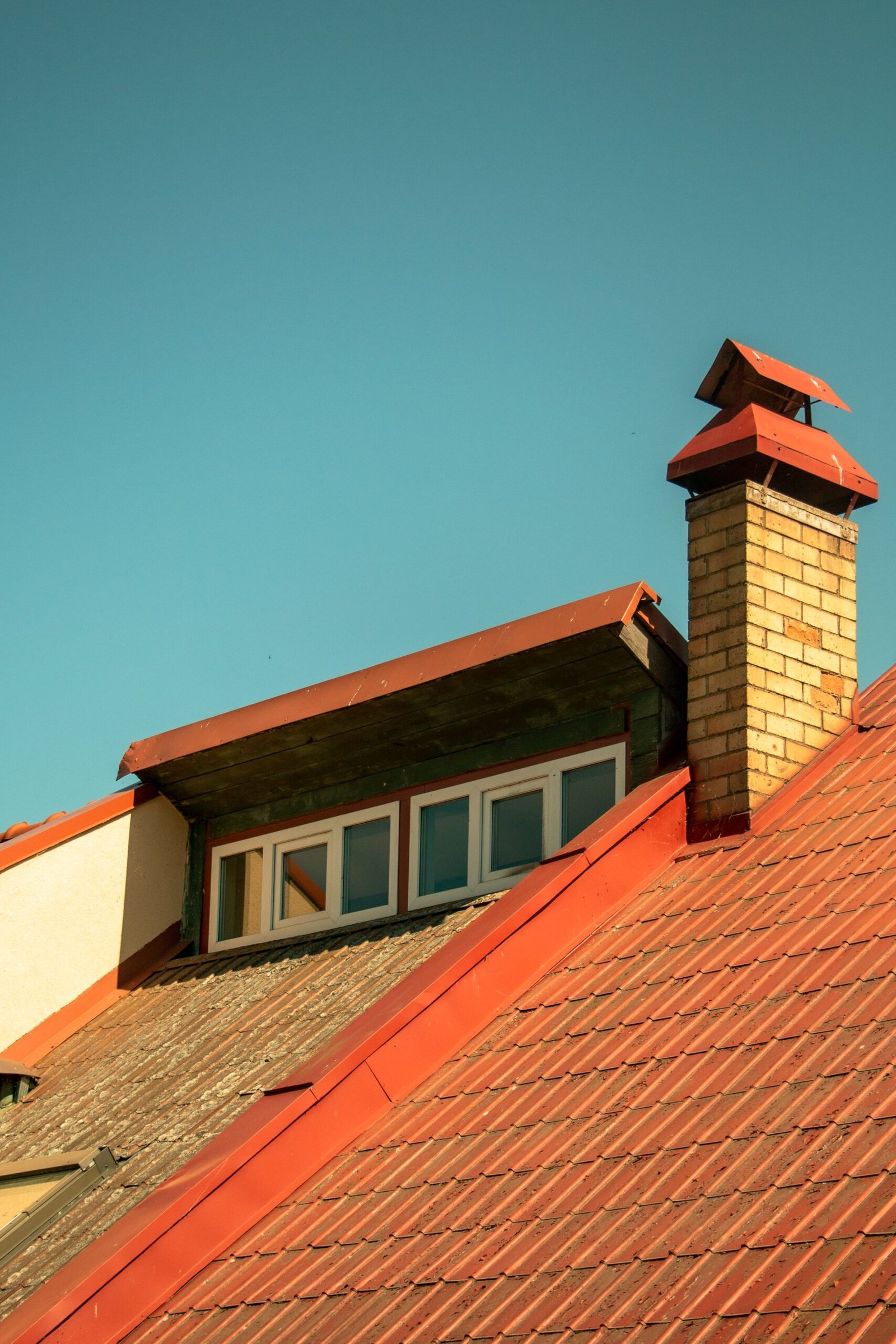
A roof plays a critical role in safeguarding your home from moisture, wind, temperature changes, and structural strain. Over time, exposure to the elements can weaken roofing materials and reduce their ability to protect the home effectively. When early signs of deterioration go unnoticed, small issues can develop into costly repairs or widespread damage. Understanding the indicators of declining roof performance helps homeowners take timely action, maintain long term durability, and preserve the safety of their property.
Visible Shingle Wear That Signals Material Breakdown
Shingles serve as the roof’s first line of defense, and visible wear often indicates that the roof is losing its protective strength. Concepts like roof durability and weather resilience reinforce how material condition affects performance.
Curling edges, missing granules, cracks, or areas where shingles appear thin all suggest that the roof is struggling to withstand ongoing exposure to sun, rain, and wind. When shingles begin to deteriorate, they allow moisture to penetrate more easily, increasing the risk of leaks and structural damage. Many homeowners consult Austin roofers when these signs appear, ensuring that repairs or replacements are completed before the damage spreads.
Water Stains or Moisture Inside the Home
Interior moisture is one of the clearest indicators that a roof is no longer performing as intended. Concepts like moisture intrusion and water management highlight how leaks develop and worsen over time.
Stains on ceilings, damp spots on walls, or peeling paint often point to water entering through compromised roofing materials or weakened flashing. Even small leaks can lead to mold growth, insulation damage, and structural deterioration if left unaddressed. Identifying moisture early helps prevent more extensive repairs and protects the home’s interior environment.
Sagging or Uneven Roof Lines That Indicate Structural Stress
A roof should maintain a straight, even profile. When sagging or uneven areas appear, it often signals deeper structural concerns. Concepts like structural integrity and load distribution reinforce how roof structure influences long term stability.
Sagging can result from weakened decking, prolonged moisture exposure, or excessive weight from debris or standing water. These issues compromise the roof’s ability to support its own structure and protect the home effectively. Addressing structural stress promptly helps prevent collapse risks and ensures the roof remains safe and functional.
Damaged Flashing That Reduces Weather Protection
Flashing protects vulnerable areas such as chimneys, vents, skylights, and roof intersections. When flashing becomes loose, corroded, or cracked, the roof loses essential protection against water intrusion. Concepts like weatherproofing and structural sealing highlight how flashing supports overall performance.
Damaged flashing allows water to enter areas that are difficult to detect until significant damage has occurred. Regular inspections help identify flashing issues early, ensuring that repairs are made before leaks develop or spread.
Granule Accumulation in Gutters That Signals Aging Materials
Granules on asphalt shingles help protect the roof from UV exposure and weather damage. When large amounts of granules appear in gutters, it often indicates that shingles are aging or deteriorating. Concepts like material lifespan and surface protection reinforce how granules contribute to durability.
As shingles lose granules, they become more vulnerable to cracking, moisture absorption, and heat damage. Granule loss is a common sign that the roof may be nearing the end of its lifespan and should be evaluated by a professional.
Conclusion
Signs such as shingle wear, interior moisture, sagging roof lines, damaged flashing, and granule accumulation indicate that a roof may be losing its protective performance. Recognizing these issues early helps homeowners maintain structural integrity, prevent costly repairs, and ensure long term protection for their home.