
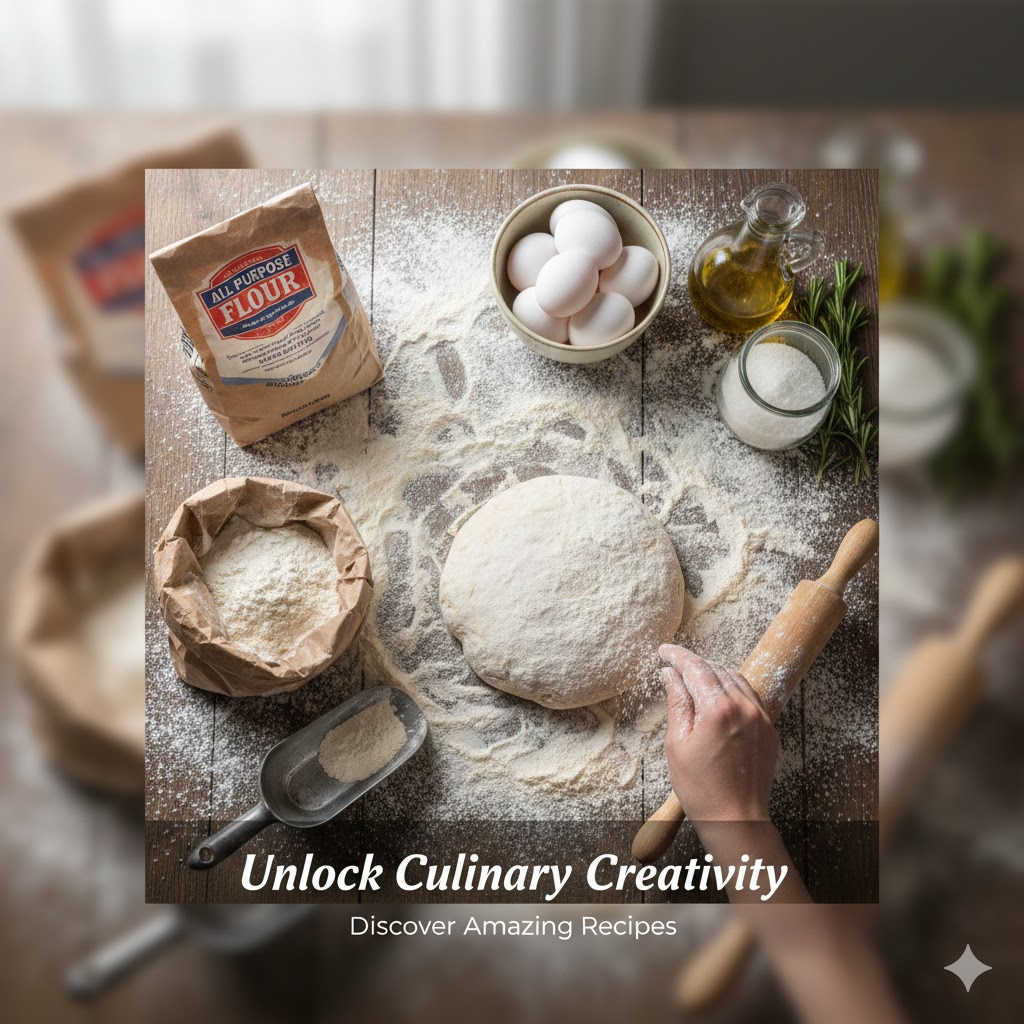
All purpose flour is a kitchen essential known for its versatility and convenience. In the UK, it is often referred to as plain flour, though the terms are widely interchangeable. This flour is made from a blend of hard and soft wheat, offering a moderate protein content that makes it suitable for a wide range of recipes, from cakes and cookies to sauces and batters.
Understanding all purpose flour is essential for any home cook or baker. Its fine texture and mild flavour allow it to perform consistently in both sweet and savoury dishes. With proper use, this flour can help achieve fluffy cakes, crispy pastries, and smooth sauces, making it a reliable ingredient in everyday UK kitchens.
What Is All Purpose Flour?
All purpose flour is a type of wheat flour designed for general use. Its blend of hard wheat, which is high in gluten, and soft wheat, which is lower in gluten, creates a flour with medium protein content. This balance makes it ideal for most baking and cooking applications, providing enough structure for breads while remaining tender for pastries and cakes.
In the UK, all purpose flour is commonly sold by major supermarkets such as Tesco, Asda, and Sainsbury’s. It is available in both bleached and unbleached varieties. Bleached flour offers a softer texture and lighter colour, while unbleached flour provides more structure and a slightly stronger flavour. Understanding these distinctions helps bakers achieve the desired results.
All Purpose Flour vs Other Flours
There is often confusion between all purpose flour, plain flour, and self-raising flour. In the UK, plain flour is generally considered the same as all purpose flour, and both can be used interchangeably in most recipes. However, self-raising flour contains added baking powder, which affects how dough rises and requires careful substitution if swapping flours.
All purpose flour also differs from bread flour and cake flour. Bread flour has higher protein content, ideal for chewy, structured breads, whereas cake flour has lower protein, creating lighter, softer baked goods. Understanding these differences ensures that using all purpose flour achieves the intended texture and consistency in any recipe.
Uses of All Purpose Flour
All purpose flour is incredibly versatile in baking. It is perfect for cakes, muffins, cookies, scones, pies, and biscuits, offering a balance of tenderness and structure. UK bakers favour it for traditional recipes like Victoria sponge, shortcrust pastry, and classic biscuits. Its moderate gluten content ensures baked goods are neither too dense nor too crumbly.
In cooking, all purpose flour is equally valuable. It can be used to thicken gravies, sauces, and soups, coat meats and vegetables for frying, or create batters for pancakes and fritters. Its neutral flavour and smooth texture make it suitable for a wide range of culinary applications, both savoury and sweet.
Benefits of Using All Purpose Flour
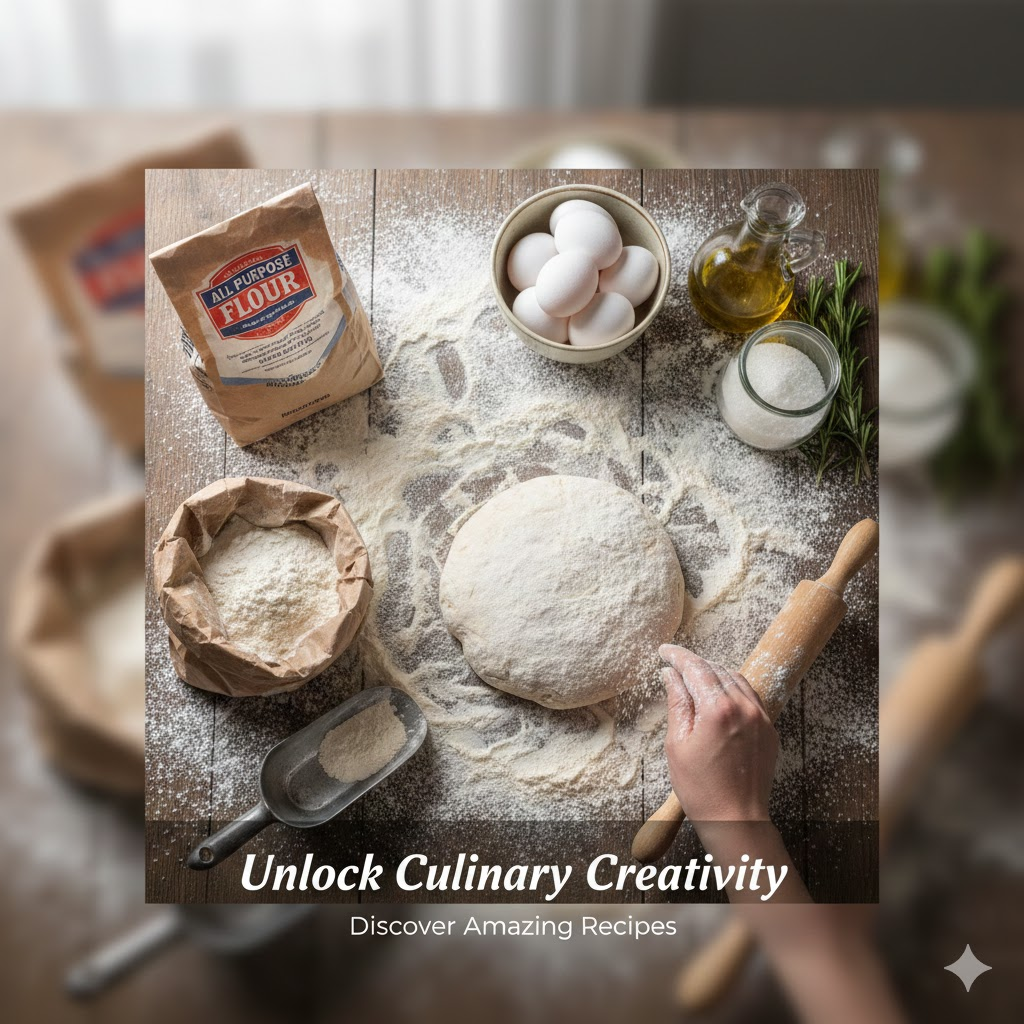
One of the main advantages of all purpose flour is its adaptability. It performs consistently across multiple recipes, providing reliable results whether baking delicate pastries or hearty breads. Its mild flavour allows other ingredients to shine while giving sufficient structure for most dishes. This versatility is particularly beneficial for UK home cooks who want a single flour for multiple uses.
Another benefit is convenience. All purpose flour is widely available in supermarkets and is often cost-effective. It has a long shelf life when stored in a cool, dry place, making it a practical pantry staple. Understanding how to use all purpose flour effectively can save time and reduce the need for multiple specialised flours.
Substitutes and Replacing All Purpose Flour
Sometimes recipes may require substitutes for all purpose flour. In the UK, plain flour can usually replace all purpose flour in equal amounts. If self-raising flour is used, adjustments to baking powder or soda may be necessary. Gluten-free all purpose flour alternatives are also available, allowing those avoiding wheat to bake successfully without compromising texture.
When substituting flours, it is important to consider the recipe’s desired outcome. Bread flour or cake flour can alter the texture and structure of baked goods, so adjustments may be needed. Being aware of these differences ensures that replacements maintain the intended quality of the dish while accommodating dietary needs or ingredient availability.
All Purpose Flour in the UK
In the UK, all purpose flour is a common household ingredient. Popular brands like Tesco, Asda, and Sainsbury’s offer it in various pack sizes, making it accessible for everyday cooking. While plain flour and all purpose flour are generally considered the same, knowing the subtle distinctions helps bakers make better choices in recipes that require precision.
UK bakers often prefer all purpose flour for its balance of lightness and structure. It is ideal for everything from classic sponge cakes to homemade Yorkshire puddings. Understanding its properties, storage tips, and appropriate usage ensures consistent results and elevates the quality of home-cooked meals and baked goods.
Baking Tips and Tricks
To get the best results from all purpose flour, always measure accurately and sift before use. Sifting helps remove clumps and incorporates air, resulting in lighter, more tender baked goods. Proper storage in an airtight container in a cool, dry place preserves freshness and prevents the flour from absorbing unwanted odours.
Experimenting with all purpose flour can help UK bakers improve their skills. Adjusting the ratio of flour to liquid, combining it with different fats, or using it alongside raising agents can create unique textures. Understanding the characteristics of all purpose flour allows bakers to achieve professional-quality results in home kitchens.
Conclusion
All purpose flour is an essential ingredient for any kitchen, valued for its versatility, mild flavour, and reliability. Whether baking, cooking, or creating international dishes, it provides consistent results. Understanding its differences from plain and self-raising flour, proper storage, and effective substitutions ensures that all purpose flour remains a staple in UK homes.