
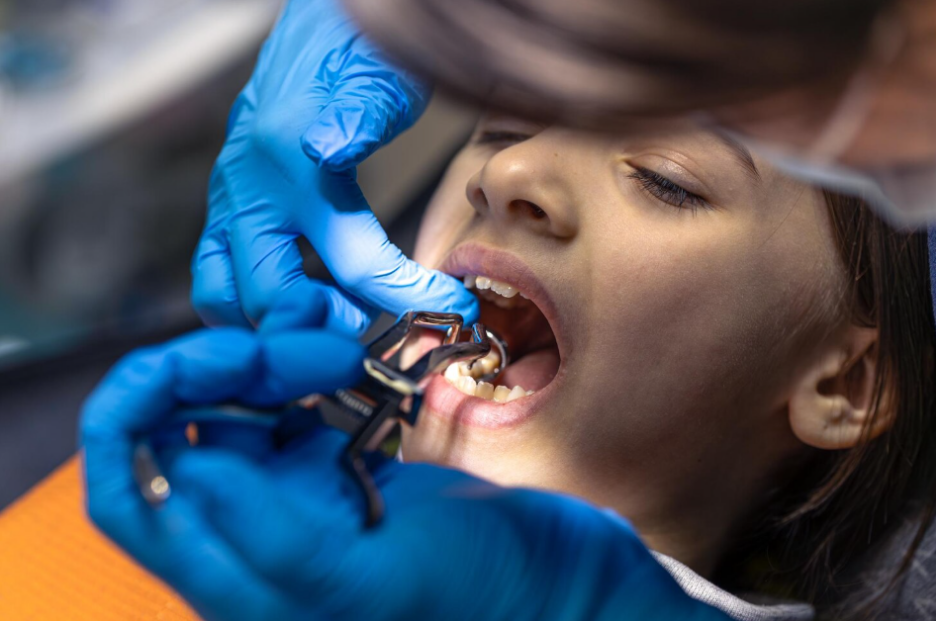
Sometimes, delaying treatment can cause an infection or injury to become more serious. That is why it is essential to understand the importance of seeking urgent dental care. Many people don’t know if it is time to see the doctor or if it can wait until their next appointment.
5 Common Situations That Call For An Emergency Dentist
The most inconvenient time to have dental problems is when you are out on the go. A toothache is a sudden-onset pain that can interfere with eating, sleeping and concentrating. A broken tooth may not only cause you to lose confidence, but also leave your sensitive areas exposed.
Sometimes, delaying treatment can cause an infection or injury to become more serious. That is why it is essential to understand the importance of seeking urgent dental care. Many people don’t know if it is time to see the doctor or if it can wait until their next appointment.
Knowing the difference can help to save a tooth and protect your oral health. Emergency dental care is aimed at helping to solve unexpected dental issues as soon as possible, easing pain, and avoiding complications.
Let’s look at five of the most common scenarios in which professional emergency dental care is needed.
1. Severe Toothache That Will Not Go Away
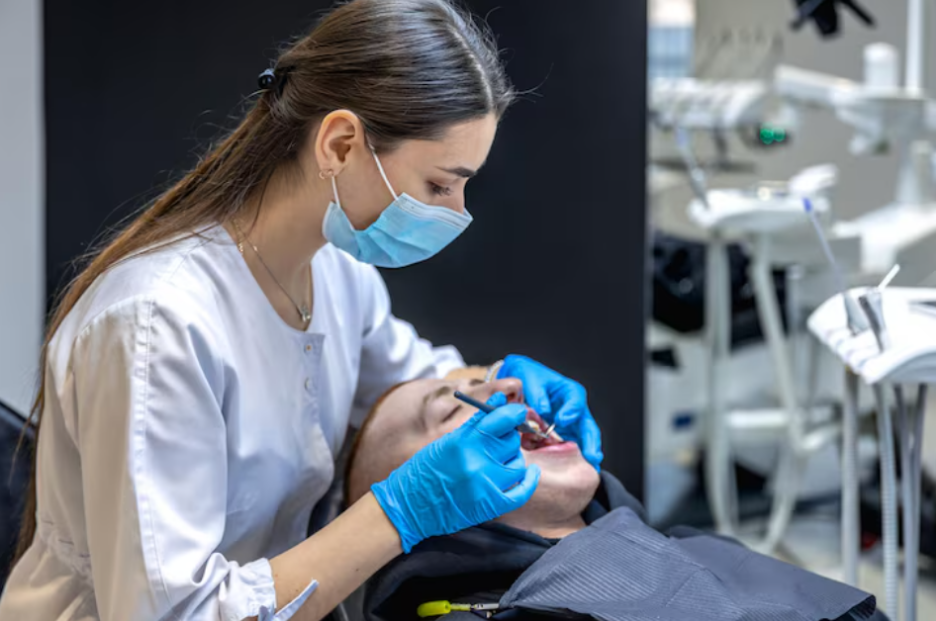
One of the most common reasons that people seek urgent dental care is for a persistent toothache. Though it is not always necessary to seek immediate attention if a slight sensitivity is experienced, if the pain is severe or throbbing, it should not be ignored.
If you are having severe discomfort, swelling, or pain that makes it hard for you to sleep, it might be time to call an emergency dentist. One of the main objectives of many emergency dental providers is to provide prompt appointments, sometimes even on the same day, to help patients get relief as soon as possible.
There can be several types of problems that can cause toothaches, such as:
- Deep tooth decay
- Dental abscesses
- Cracked teeth
- Exposed tooth roots
- Gum infections
Until you can see a dentist, avoid placing aspirin directly on the gum and rinse your mouth gently with warm salt water. But professional treatment is necessary to determine and treat the underlying cause.
2. Knocked-Out Tooth after an Accident
Sometimes, a tooth is completely knocked out due to sports injuries, falls, and accidents. This is a serious problem, and action should be taken immediately, as the likelihood of saving the tooth reduces with time.
If this happens:
- Handle the tooth by the crown, not the root
- If dirty, gently rinse it
- If possible, try to get it back into the socket
- If this is not possible, place it in milk or saliva
- Seek emergency dental care immediately
With prompt treatment, the chances of successful reimplantation are significantly higher. Although the tooth may not be salvaged, it is still important to make a quick assessment to avoid infection and to assess whether there is any damage to other teeth or tissues.
3. Tooth That Is Broken, Cracked Or Chipped
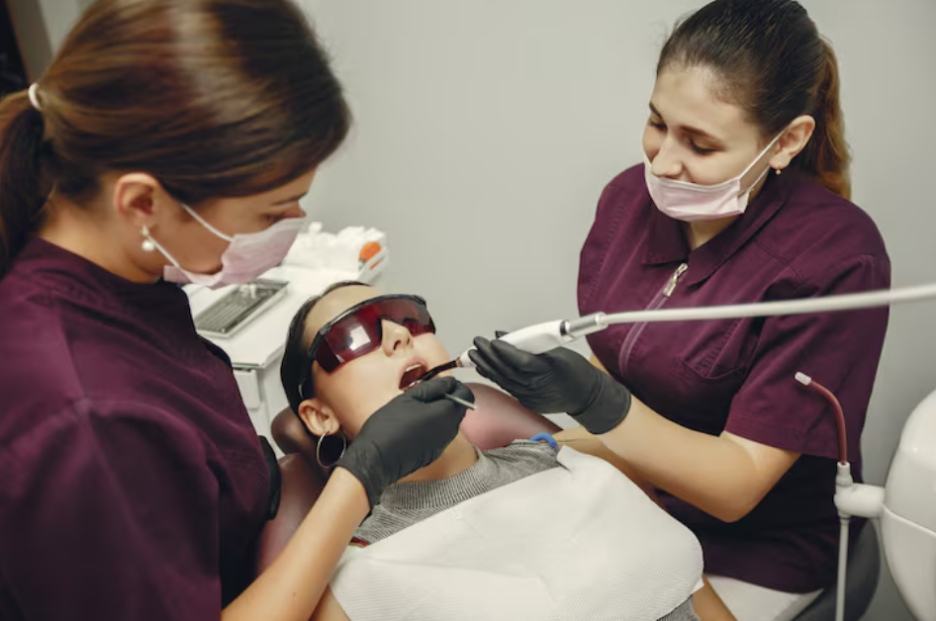
Not all chipped teeth are considered dental emergencies, but many are. A crack can allow the internal dentin and pulp to be exposed, causing pain, sensitivity or infection.
Emergency care should be sought if:
- A significant part of the tooth is missing
- The tooth is very painful
- Bleeding occurs around the tooth
- You are damaging your tongue or cheeks from sharp edges
The dentist will be able to determine how serious the damage is and can suggest the most suitable type of treatment, including bonding, a crown, or other restorative options. Early diagnosis can mean a simple answer to the problem and avoid more extensive treatment later.
4. Swelling Or Signs Of A Dental Infection
Facial swelling, swollen gums, or a visible abscess are warning signs that should never be ignored. Dental infections can spread beyond the mouth if left untreated.
Common symptoms include:
- Swelling around the gums or jaw
- Severe tooth pain
- Fever
- Bad taste in the mouth
- Pus near a tooth or gumline
An abscess is often a sign of a bacterial infection that requires urgent professional care. In some cases, the infection may spread to nearby tissues and create more serious health concerns. Emergency dental treatment focuses on relieving pain, controlling the infection, and protecting your overall health.
If swelling is increasing rapidly or affects your ability to swallow or breathe, seek immediate medical attention.
5. Uncontrolled Bleeding Or Soft Tissue Injuries

Injuries involving the lips, tongue, cheeks, or gums can result in significant bleeding. While minor cuts often heal on their own, persistent bleeding requires prompt evaluation.
Emergency care may be necessary if:
- Bleeding continues after applying pressure
- The wound is deep or large
- There is significant swelling
- The injury occurred alongside dental trauma
Mouth injuries can sometimes appear worse than they are because the area contains many blood vessels. However, professional assessment helps ensure proper healing and reduces the risk of complications.
Applying clean gauze and gentle pressure can help control bleeding while you arrange urgent dental care.
Bringing it All Together
Dental emergencies can happen without warning, and knowing how to respond can make a significant difference to the outcome. Severe toothaches, knocked-out teeth, broken teeth, infections, and uncontrolled bleeding are among the most common situations that require urgent care.
Acting quickly can help relieve pain, reduce complications, and improve the chances of preserving your oral health. Rather than waiting and hoping symptoms improve, seek professional advice as soon as possible.
If you experience any of these warning signs, contact an emergency dental provider promptly and follow their guidance to protect your teeth, gums, and overall wellbeing for years to come with confidence.The most inconvenient time to have dental problems is when you are out on the go. A toothache is a sudden-onset pain that can interfere with eating, sleeping and concentrating. A broken tooth may not only cause you to lose confidence, but also leave your sensitive areas exposed.
Knowing the difference can help to save a tooth and protect your oral health. Emergency dental care is aimed at helping to solve unexpected dental issues as soon as possible, easing pain, and avoiding complications.
Let’s look at five of the most common scenarios in which professional emergency dental care is needed.
1. Severe Toothache That Will Not Go Away
One of the most common reasons that people seek urgent dental care is for a persistent toothache. Though it is not always necessary to seek immediate attention if a slight sensitivity is experienced, if the pain is severe or throbbing, it should not be ignored.
If you are having severe discomfort, swelling, or pain that makes it hard for you to sleep, it might be time to call an emergency dentist. One of the main objectives of many emergency dental providers is to provide prompt appointments, sometimes even on the same day, to help patients get relief as soon as possible.
There can be several types of problems that can cause toothaches, such as:
- Deep tooth decay
- Dental abscesses
- Cracked teeth
- Exposed tooth roots
- Gum infections
Until you can see a dentist, avoid placing aspirin directly on the gum and rinse your mouth gently with warm salt water. But professional treatment is necessary to determine and treat the underlying cause.
2. Knocked-Out Tooth after an Accident
Sometimes, a tooth is completely knocked out due to sports injuries, falls, and accidents. This is a serious problem, and action should be taken immediately, as the likelihood of saving the tooth reduces with time.
If this happens:
- Handle the tooth by the crown, not the root
- If dirty, gently rinse it
- If possible, try to get it back into the socket
- If this is not possible, place it in milk or saliva
- Seek emergency dental care immediately
With prompt treatment, the chances of successful reimplantation are significantly higher. Although the tooth may not be salvaged, it is still important to make a quick assessment to avoid infection and to assess whether there is any damage to other teeth or tissues.
3. Tooth That Is Broken, Cracked Or Chipped
Not all chipped teeth are considered dental emergencies, but many are. A crack can allow the internal dentin and pulp to be exposed, causing pain, sensitivity or infection.
Emergency care should be sought if:
- A significant part of the tooth is missing
- The tooth is very painful
- Bleeding occurs around the tooth
- You are damaging your tongue or cheeks from sharp edges
The dentist will be able to determine how serious the damage is and can suggest the most suitable type of treatment, including bonding, a crown, or other restorative options. Early diagnosis can mean a simple answer to the problem and avoid more extensive treatment later.
4. Swelling Or Signs Of A Dental Infection
Facial swelling, swollen gums, or a visible abscess are warning signs that should never be ignored. Dental infections can spread beyond the mouth if left untreated.
Common symptoms include:
- Swelling around the gums or jaw
- Severe tooth pain
- Fever
- Bad taste in the mouth
- Pus near a tooth or gumline
An abscess is often a sign of a bacterial infection that requires urgent professional care. In some cases, the infection may spread to nearby tissues and create more serious health concerns. Emergency dental treatment focuses on relieving pain, controlling the infection, and protecting your overall health.
If swelling is increasing rapidly or affects your ability to swallow or breathe, seek immediate medical attention.
5. Uncontrolled Bleeding Or Soft Tissue Injuries
Injuries involving the lips, tongue, cheeks, or gums can result in significant bleeding. While minor cuts often heal on their own, persistent bleeding requires prompt evaluation.
Emergency care may be necessary if:
- Bleeding continues after applying pressure
- The wound is deep or large
- There is significant swelling
- The injury occurred alongside dental trauma
Mouth injuries can sometimes appear worse than they are because the area contains many blood vessels. However, professional assessment helps ensure proper healing and reduces the risk of complications.
Applying clean gauze and gentle pressure can help control bleeding while you arrange urgent dental care.
Bringing it All Together
Dental emergencies can happen without warning, and knowing how to respond can make a significant difference to the outcome. Severe toothaches, knocked-out teeth, broken teeth, infections, and uncontrolled bleeding are among the most common situations that require urgent care.
Acting quickly can help relieve pain, reduce complications, and improve the chances of preserving your oral health. Rather than waiting and hoping symptoms improve, seek professional advice as soon as possible.
If you experience any of these warning signs, contact an emergency dental provider promptly and follow their guidance to protect your teeth, gums, and overall wellbeing for years to come with confidence.