
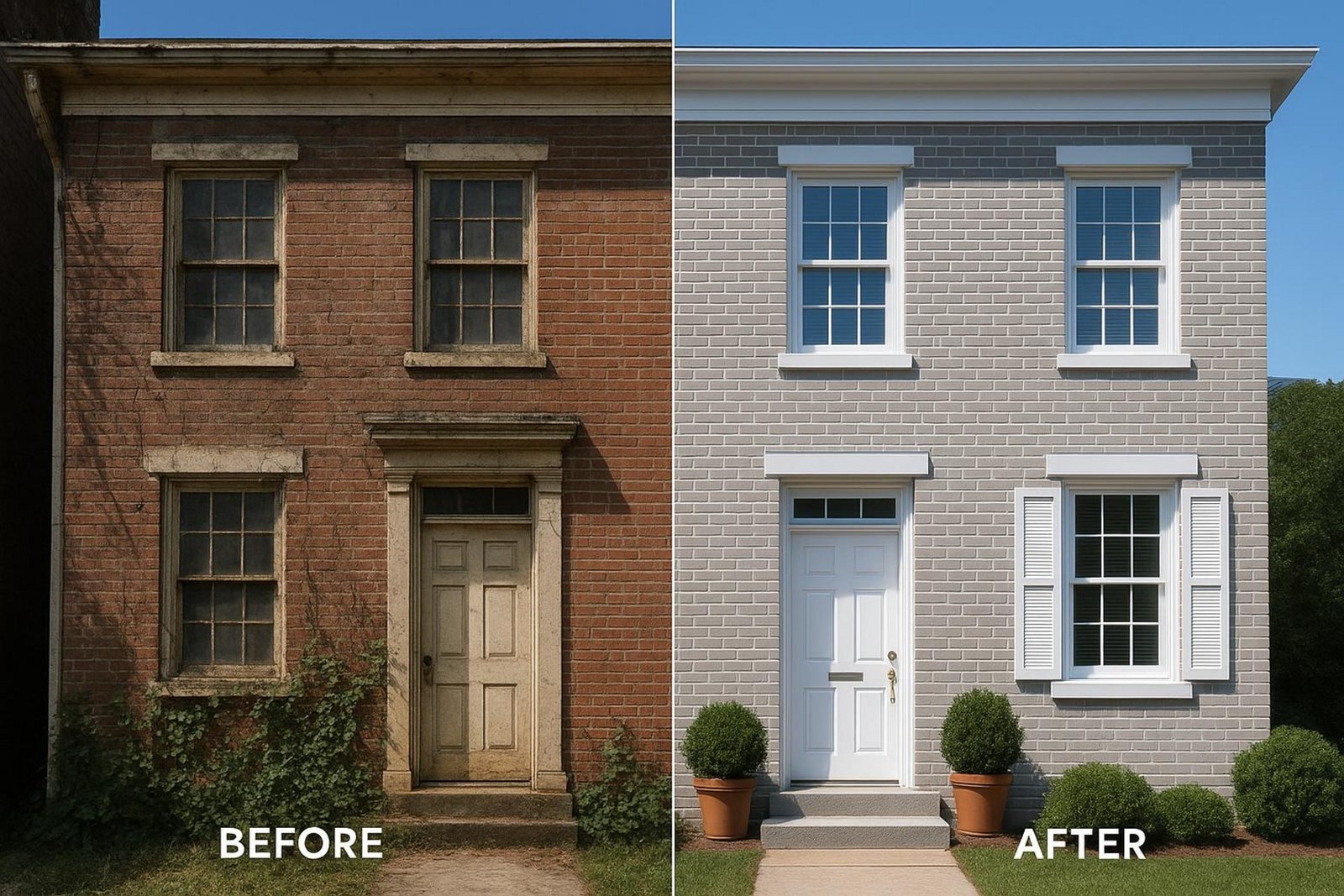
The facade of a building-whether it’s a busy office tower or a small townhouse-is both its outer shield and the part everyone sees first. So, what are common types of facade repairs? They are the steps taken to protect, fix, and improve the outside layer of a building so it looks good and works the way it should.
These repairs help keep buildings safe, up to code, and protected from water leaks, while dealing with normal wear from weather, pollution, and building movement over time.
Facade repairs can range from sealing a small crack in brick to fixing large sections of a glass curtain wall. If small problems are ignored, they can turn into bigger ones like water getting inside, weaker structural parts, and safety risks such as loose pieces falling. Doing repairs early is about more than looks-it helps avoid expensive future damage, supports property value, and helps the building last longer.
What Are Facade Repairs for Commercial and Residential Buildings?
A building’s facade is more than an outer layer. It is an exterior system that helps block wind, rain, and temperature changes. It also supports the building’s strength, helps control heating and cooling, and affects overall energy use. Since the facade takes the hit from sun, rain, snow, wind, and air pollution from day one, its materials can break down over time. That can affect how it looks, how well it performs, and how safe it is.
Facade repair usually starts with looking closely at the building, learning what’s going wrong, and choosing fixes that last. This is more than covering up visible damage. It focuses on why the damage happened in the first place. Regular inspections-using simple visual checks and tools like drones or moisture meters-help spot problems early so repairs can be planned and done before the damage spreads.
How Building Type Influences Facade Repairs
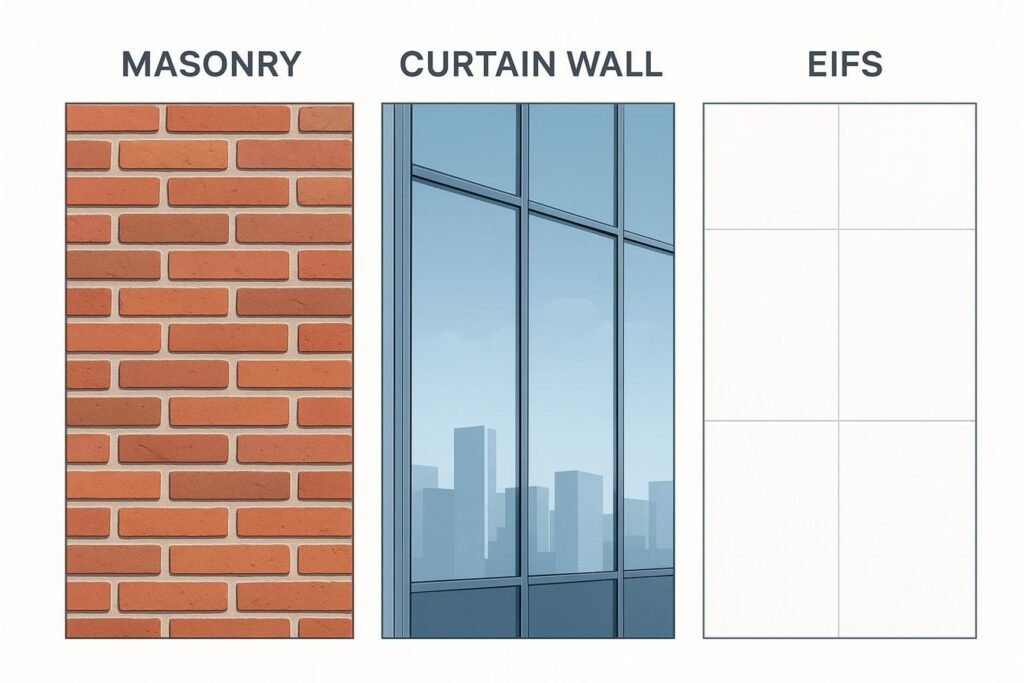
The kind of building you have strongly affects what facade repairs are needed and how difficult they are. In New York City, for example, you can see everything from old masonry townhouses to modern glass towers. Each facade type-masonry, cladding, curtain wall, glass, EIFS (Exterior Insulation and Finish System), or precast concrete-has its own strengths, weak spots, and maintenance needs.
Masonry facades (common on brownstones and older commercial buildings) can last a long time, but mortar joints often need upkeep because of freeze-thaw cycles and temperature changes.
On the other hand, many high-rise offices and tall residential buildings use curtain wall systems. These lighter systems are built to handle wind pressure and building movement. Repairs may involve replacing glass or renewing sealant. EIFS is often used for residential upgrades because it insulates well, but it must handle moisture correctly to avoid hidden damage.
To plan the right repair approach, it helps to know the building’s age, materials, location (like humid coastal areas), nearby traffic and vibration, and local weather patterns.
How Do Commercial and Residential Facade Repairs Differ?
The main goal of facade repair is the same for any property: keep the building safe, functioning well, and looking presentable. Still, commercial and residential buildings often differ in how repairs are planned, how large the work is, and what rules must be followed. These differences affect everything from early inspections to how the work is carried out.
Scale and Accessibility Challenges
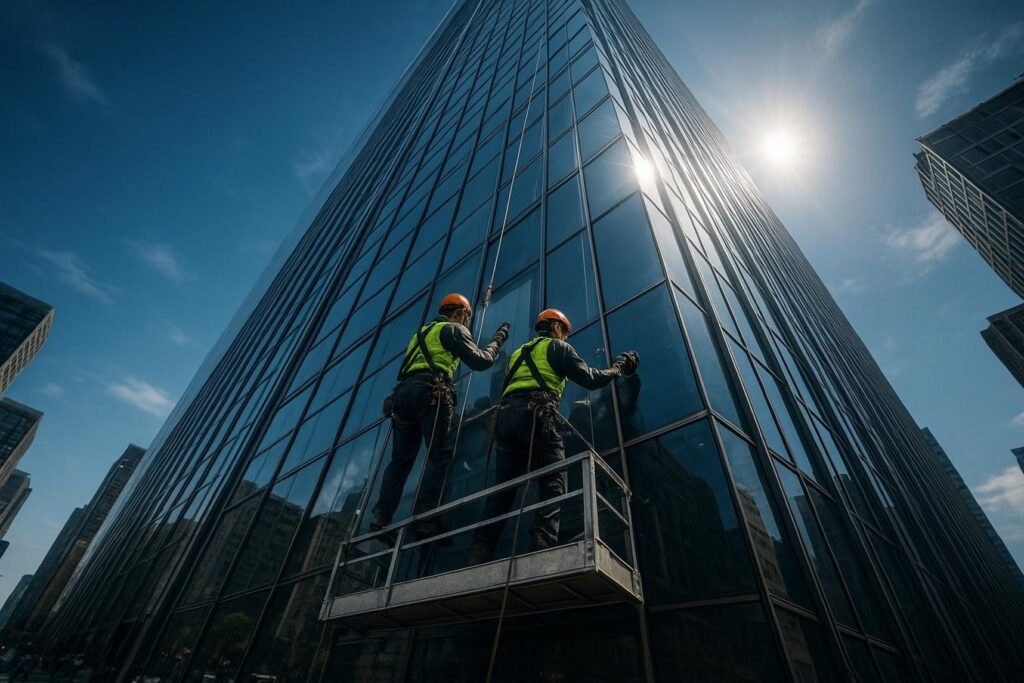
Commercial buildings-especially tall ones in city areas-often bring major size and access challenges. Checking and repairing large exterior surfaces usually requires special equipment and methods, such as swing stages, boom lifts, and rope-access crews. Drones can also help with early inspections by gathering clear images quickly, sometimes without closing sidewalks.
Many residential buildings, especially low-rise homes, are easier to reach, so repairs can be simpler and often cost less. That said, large residential complexes and older multi-story buildings can still require detailed access planning.
Code Compliance and Inspection Frequency
Rules for commercial facades are often stricter than for residential ones. Cities like New York and San Francisco (and many areas in Florida after Surfside) have set up facade inspection programs. Examples include NYC’s Façade Inspection & Safety Program (FISP) and San Francisco’s ten-year certified facade reports. These programs have set deadlines for repeat inspections and firm timelines for repairs, along with large fines if owners don’t follow the rules.
Licensed architects or engineers must perform these scheduled inspections, record what they see, and often give a safety rating (Safe, SWARMP, or Unsafe). Residential buildings also benefit from regular checks, but required schedules and oversight are usually less strict-though owners can still face serious risk if known problems are ignored.
Material and Aesthetic Requirements
Commercial and residential buildings can also differ in the materials used and what owners want from repairs. Commercial buildings often focus on modern looks, energy performance, and long service life, which leads to common use of curtain walls, large glass areas, and strong cladding systems. Repairs often focus on keeping performance high and maintaining a clean, professional appearance that supports tenants and business.
Residential buildings-especially historic ones-may put more focus on keeping original details and the building’s historic character. Repairs in these cases often require close material matching and traditional craft methods, rather than simply replacing old parts with newer styles.
What Are the Common Types of Facade Repairs?
A building facade is made up of many parts, and repair needs depend on the materials and design. Knowing the most common facade repair types helps owners plan maintenance and fix problems early.
Masonry Crack and Joint Repairs
Cracks in brick or stone usually point to stress inside the wall. They can come from building settlement, materials expanding and shrinking with temperature changes, or corrosion of steel inside the wall. In places like New York City, repeated freezing and thawing can widen cracks. If steel starts to rust, it expands and pushes the masonry outward (often called “rust jacking”), which makes cracking worse.
Fixing this is more than filling the crack. It can involve removing masonry to reach steel, cleaning and protecting the steel, and then replacing brick with the right mortar—work that Nova Construction Services handles on landmark and residential buildings across the city. In some cases, new joints are added to help control movement. The goal is to restore strength and stop water from getting into the wall, since water is a major cause of steel corrosion.
Brick and Stone Repointing
Mortar joints are often the first part of a masonry facade to wear out because they face constant weather exposure. As mortar erodes, gaps form and water can enter the wall. This moisture can lead to freeze-thaw damage, efflorescence (white salt stains), and faster breakdown of the brick or stone.
Repointing means removing the damaged mortar and replacing it with new mortar mixed to match the building’s needs. This helps keep masonry walls strong and weather-resistant, and it can add many years of life while reducing the chance of bigger repairs later.
Cladding Replacement and Repair
Cladding is an outer layer that is usually not structural, but it helps protect the building and can improve insulation. Common cladding materials include metal, stone veneer, and composite panels. Cladding can be damaged by impacts, storms, or failure of the fasteners that hold it in place.
Repairs may include securing loose panels, patching damaged spots, or replacing individual pieces. It’s also important that cladding is installed correctly with water drainage paths and vapor control layers so moisture does not get trapped behind it.
Sealant and Caulking Renewal
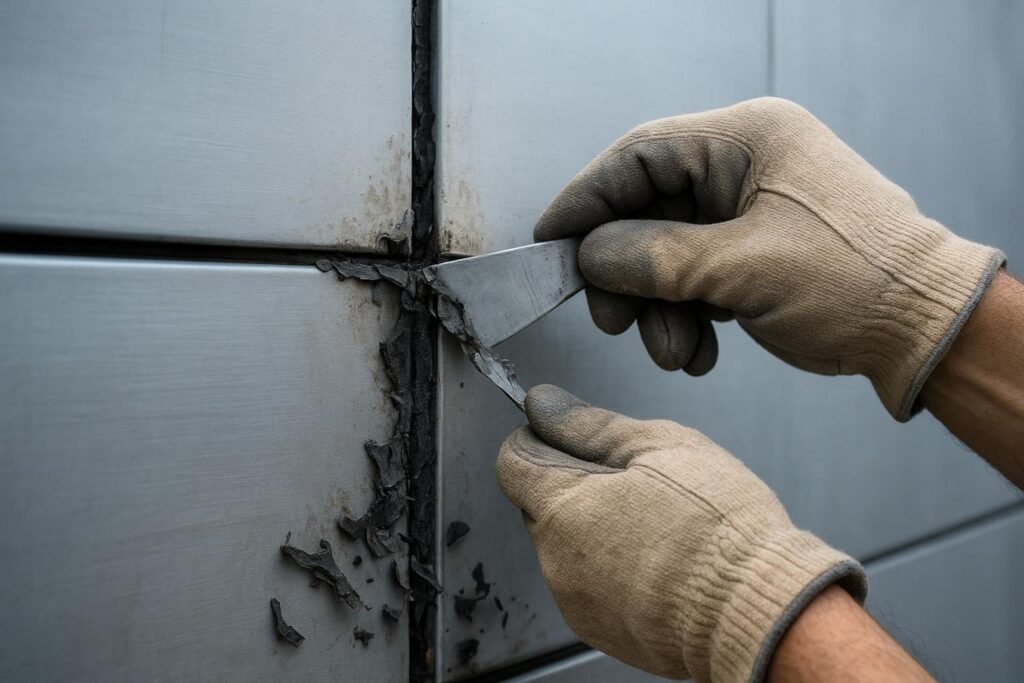
Sealant and caulking around windows, doors, expansion joints, and other openings help keep the building watertight. Over time, these materials break down due to sunlight, temperature movement, and weather exposure. That can cause cracking, peeling, and gaps. Failed sealant is a common way water gets into a building, which can lead to interior damage and structural problems. Regular checks are especially helpful on south- and west-facing sides where sun exposure is stronger. Planning resealing work on a schedule-rather than waiting for leaks-can prevent major repairs.
EIFS and Stucco Repairs
EIFS and traditional stucco facades can look great and help improve insulation. However, they can crack, get damaged by impacts, and develop moisture problems if installed incorrectly. Even small cracks can let water into the system, which may lead to mold or rot behind the surface.
Repairs may include patching damaged areas, reapplying finish coats, and correcting drainage details so water is directed out. In humid areas, good moisture control is especially important. Installation quality has a big effect on how long these systems last.
Curtain Wall Glass Replacement
Curtain wall systems are common on tall commercial and residential buildings and often use large glass and metal panels. While they look modern, glass can be damaged by hard water stains, trapped moisture, UV exposure, extreme temperatures, and impact. Some problems, like light etching or oxidation, may be fixed through professional restoration methods. But if the glass is cracked or broken, full replacement is needed.
Replacing curtain wall glass requires special tools and trained crews to remove and install large panels safely, and to make sure the new glazing meets the system’s thermal and structural requirements.
Concrete Spall and Patch Repairs
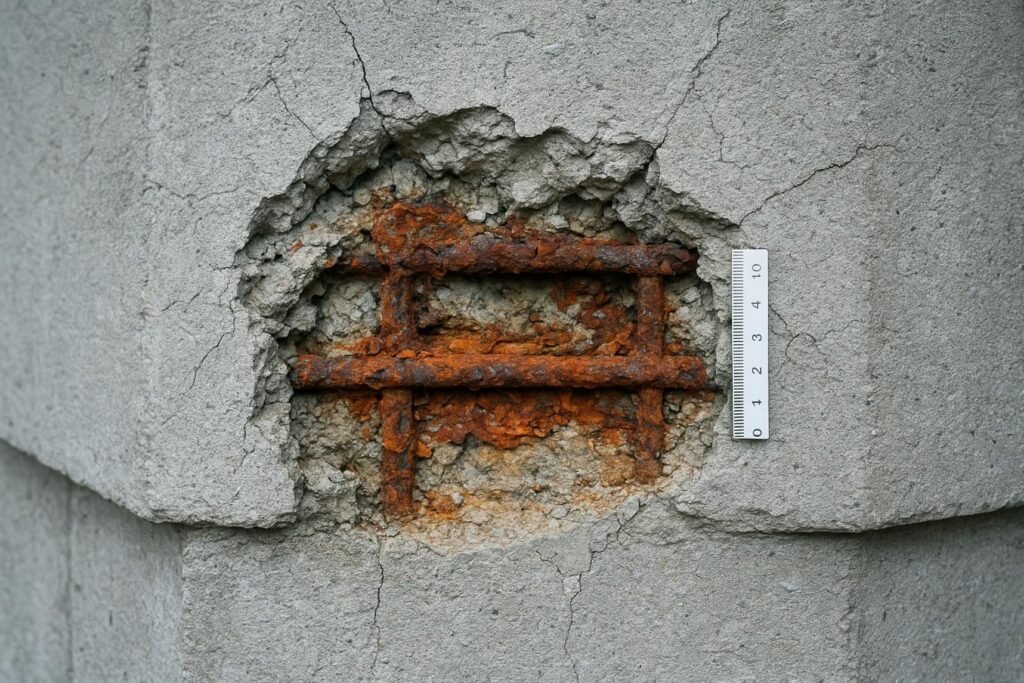
Concrete facades and concrete features can develop spalling, where chunks break off the surface. This often happens when steel rebar inside the concrete rusts and expands, pushing the concrete outward. Freeze-thaw cycles and impacts can also cause damage. Repairs normally include removing loose concrete, cleaning and treating exposed rebar to slow future rust, and patching the area with a compatible repair material (such as repair mortar or epoxy).
For deeper cracking, epoxy injection can help bond the concrete back together. These repairs help protect both safety and appearance.
Painting and Protective Coatings
Paint and protective coatings are not only for appearance-they also help block moisture and pollutants. Over time, paint can fade, crack, or peel, which makes the building look worn and leaves materials exposed. Repainting with high-performance paint or applying new protective coatings can refresh the facade, help materials last longer, and improve resistance to moisture and environmental damage. This work usually starts with proper surface prep, such as washing, sanding, and fixing small surface issues, so the new coating bonds well and holds up longer.
Since the facade is the main surface exposed to weather and time, it will wear down sooner or later. Fixing problems through regular, professional facade repairs is about more than keeping the building looking nice-it supports long-term building value and performance. A well-maintained facade can make a property more appealing to buyers or tenants. It can also reduce costs, because repairing small issues early is usually far cheaper than large emergency repairs caused by neglect. Restoration projects also produce less CO2 than building from scratch, which makes repair and preservation a greener choice.
Making facade upkeep a priority can also improve energy efficiency by keeping the building sealed and properly insulated, which helps lower ongoing utility costs. It can help protect historic buildings and architectural character so future generations can enjoy them. Most of all, it protects residents, workers, neighbors, and people walking nearby by lowering the risk of falling debris or serious structural failure. With a clear facade maintenance plan-regular inspections, timely repairs, and a focus on quality-property owners can protect their investment and support a safer, better-looking community.