
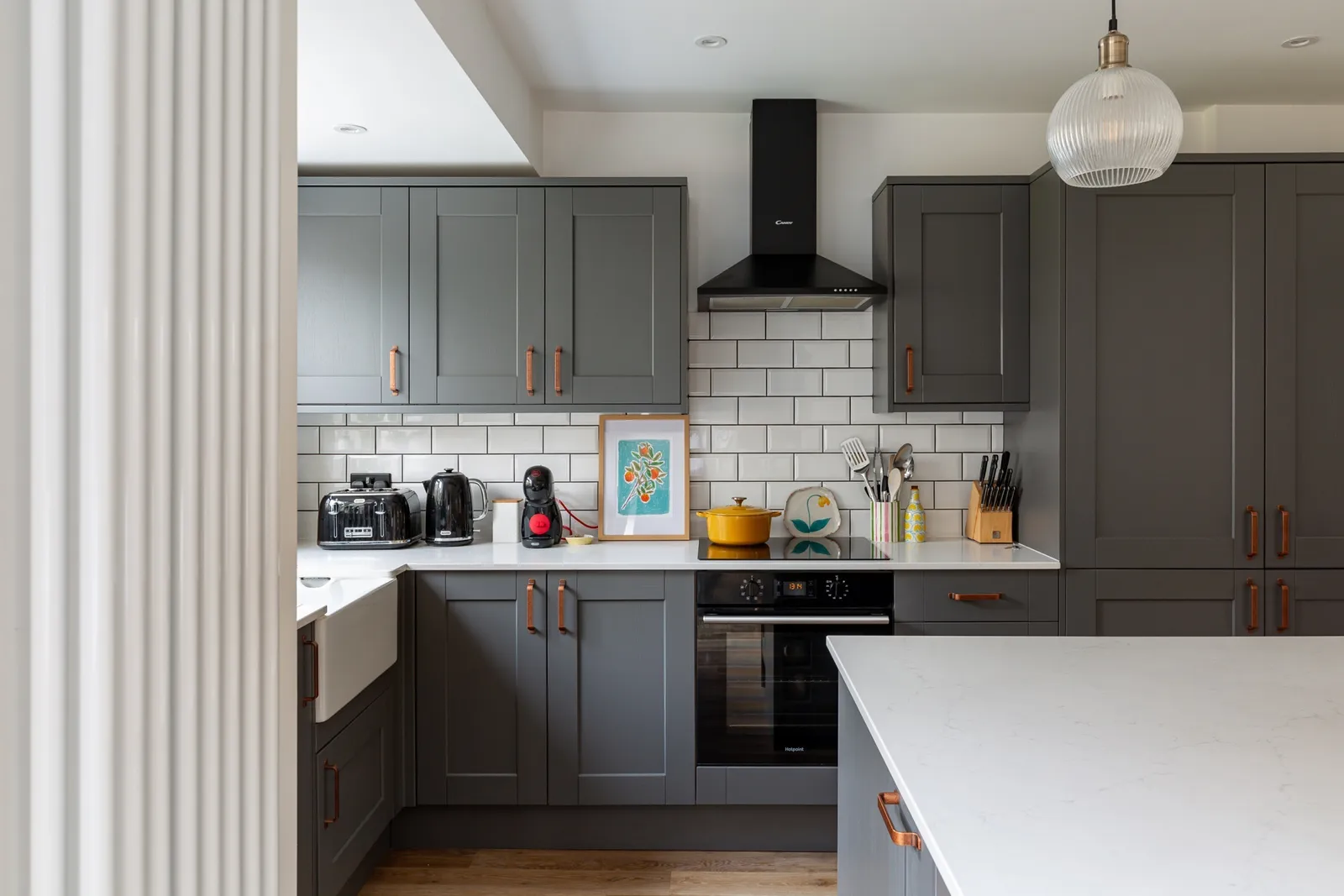
Home staging Brighton helps properties stand out in one of Melbourne’s competitive Bayside markets. Buyers in this area compare listings carefully and notice details that show care and readiness. A well-presented home allows them to picture daily life in the space rather than focus on personal items or empty rooms.
Many sellers wonder whether the effort makes a difference. Data from Australian and international sources shows staged homes often sell faster and attract stronger interest. In a suburb like Brighton, where price points are higher and expectations match the location, presentation matters.
What Home Staging Means in Brighton
Home staging Brighton involves preparing a property for sale by arranging furniture, accessories, and layout to highlight its best features. The goal is to create a neutral, inviting setting that appeals to a wide range of buyers without reflecting the current owner’s personal style.
In Brighton, this process takes into account the mix of period homes, contemporary builds, and family residences near the beach and foreshore. Styling considers natural light, room flow, and connections to outdoor areas, which buyers in this coastal suburb value. Services range from full furniture placement in vacant homes to targeted adjustments in occupied properties.
Professional stagers assess the property first. They note what works, what distracts, and which rooms buyers examine closely during inspections. Timing usually aligns with photography and open houses so the home looks its best from the first listing images.
Key Benefits of Home Staging Brighton
Sellers in Brighton see several clear advantages when they stage their properties.
- Faster sales: Staged homes tend to spend less time on the market. Australian studies indicate styled properties can sell in weeks rather than months, reducing holding costs such as rates, utilities, and mortgage payments.
- Higher offers: Buyers respond more positively to homes that feel ready to move into. Research in Australia points to price increases of several percent on average for staged properties compared to similar unstaged ones.
- Better online presentation: High-quality photos of a staged home attract more views on real estate portals. Buyers form quick impressions from listing images, and clear, inviting visuals encourage them to book inspections.
- Improved buyer flow: Strategic placement of furniture guides visitors through the home naturally. This helps them understand how spaces function for family life, entertaining, or relaxation.
- Broader appeal: Neutral styling removes personal elements that might limit interest. Families, professionals, and downsizers can all imagine their own belongings in the rooms.
For owner-occupied homes in Brighton, partial staging often delivers strong results without full replacement of furniture. Vacant properties benefit from complete setups that show scale and purpose in larger rooms.
How Home Staging Works for Different Property Types
Brighton properties vary widely, and staging adapts accordingly.
Vacant homes
Empty rooms can appear smaller or less functional. Full staging adds furniture suited to the home’s size and style. This approach shows buyers the potential for living areas, bedrooms, and dining spaces. In prestige Bayside listings, quality pieces help justify the price point.
Occupied homes
Many sellers still live in the property. Here, stagers recommend selective removals and additions. They might suggest clearing counters, rearranging seating, or adding subtle accessories. The focus stays on making the home feel open and well maintained.
Period versus contemporary homes
Older homes with character features receive styling that respects architectural details. Contemporary properties get cleaner lines and modern touches. In both cases, the aim is to let the home’s strengths shine without overpowering them.
Local knowledge helps. Stagers familiar with Brighton understand buyer preferences for light-filled spaces, practical family layouts, and connections to gardens or street appeal.
Steps in the Home Staging Process
A typical process includes these main stages:
- Initial consultation: The stager visits the property and discusses the selling timeline, target buyers, and budget.
- Assessment and plan: They identify priority areas such as living rooms, kitchens, and main bedrooms. A written scope outlines recommended work.
- Preparation: Sellers declutter, clean thoroughly, make minor repairs, and paint if needed. Neutral colours on walls help rooms feel larger.
- Styling and installation: Furniture arrives, rooms are arranged, and final details complete the look. Everything is timed for professional photography.
- Maintenance: For longer campaigns, refresher visits keep the presentation consistent between inspections.
Sellers can choose full service, partial styling, or a consultation with written advice for those who prefer to handle arrangements themselves.
Common Challenges and How to Address Them
Home staging Brighton comes with practical considerations.
Cost
Sellers sometimes view staging as an extra expense. However, the potential return through faster sales and better prices usually outweighs the investment. Quotes are based on property size and scope, with transparent pricing common among established providers.
Time and disruption
Occupied homes require coordination around daily routines. Early planning helps minimise inconvenience. Many stagers work efficiently and schedule installations to fit vendor needs.
Choosing the right level
Over-styling can make a home feel like a showroom. Under-styling leaves it looking unprepared. Experienced stagers balance the two by focusing on buyer expectations in the local market rather than generic trends.
Emotional attachment
It can be difficult for sellers to see personal items packed away. Remembering that staging is temporary and aimed at a successful sale helps keep perspective.
Clear communication with the stager reduces these issues. Vendors who understand the reasons behind recommendations usually feel more comfortable with the process.
Trends in Home Staging Brighton
Current practices in Brighton reflect buyer priorities in the Bayside area.
- Focus on natural light and outdoor connection: Furniture placement and accessories draw attention to windows and garden views.
- Practical family spaces: Layouts show how rooms support everyday living, school runs, and relaxed entertaining.
- Quality over quantity: Buyers notice materials and finish. Staging uses appropriate pieces that suit the suburb’s prestige feel.
- Photography readiness: Everything is prepared for strong listing images, which drive initial interest.
- Sustainability in choices: Many stagers select durable, reusable items and advise on simple updates like fresh paint rather than major changes.
Seasonal timing also plays a role. Spring and early summer often see higher activity, when outdoor areas show well.
Practical Tips for Sellers Considering Home Staging
- Start early. Address repairs and cleaning before the stager arrives.
- Declutter thoroughly. Remove excess items from surfaces, floors, and storage areas.
- Deep clean every room. Pay special attention to kitchens, bathrooms, and floors.
- Consider curb appeal. Mow lawns, trim plants, and clear the entrance.
- Trust the process. Professional advice is based on experience with what works for local buyers.
- Maintain the presentation. Keep the home tidy for all inspections.
For those on a tighter budget, a consultation plus targeted DIY efforts can still improve results significantly.
Final Thoughts
Home staging Brighton provides a clear way to present properties at their best in a discerning market. It helps buyers see the potential in a home and supports sellers in achieving outcomes that reflect the property’s value. Whether through full styling or focused adjustments, the approach emphasises preparation, clarity, and appeal suited to the Bayside lifestyle.