
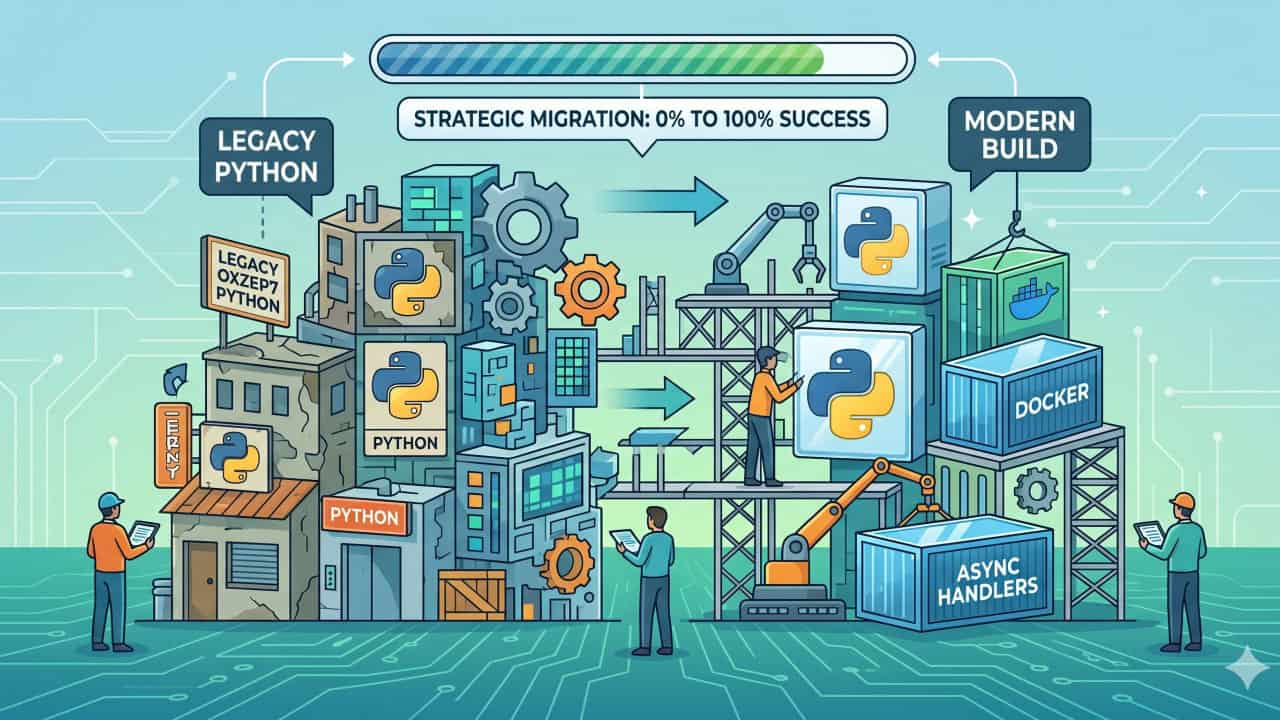
Introduction to upgrade oxzep7 python
Understanding upgrade oxzep7 python begins with recognising that it is not a simple Python package that can be updated with a single pip command. Instead, it refers to a broader enterprise-style framework environment where multiple components such as Python services, APIs, and backend integrations work together. Because of this layered structure, upgrades must be handled carefully to avoid breaking dependencies or disrupting system performance.
The importance of upgrade oxzep7 python lies in maintaining stability, security, and long-term scalability. When systems grow in complexity, outdated dependencies or mismatched versions can lead to performance issues. Developers must therefore treat upgrades as a structured engineering process, ensuring that each component of the framework is aligned before making any changes.
Understanding the upgrade oxzep7 python environment
Before starting upgrade oxzep7 python, it is essential to understand how the environment is structured. Typically, Oxzep7-like systems combine Python-based backend logic, frameworks such as FastAPI, and external services like databases or authentication layers. Each part interacts closely, meaning that a small change in one area can affect the entire system.
Because upgrade oxzep7 python involves interconnected modules, developers must first map out the architecture. This includes identifying dependencies, service connections, and version relationships. Without this understanding, upgrades may introduce compatibility issues or unexpected errors, making it critical to review the system design thoroughly before proceeding.
Pre-upgrade preparation for upgrade oxzep7 python
A successful upgrade oxzep7 python process always begins with proper preparation. This includes creating full backups of codebases, databases, and configuration files. Having a rollback plan ensures that if anything goes wrong, the system can be restored quickly without major downtime or data loss.
It is also important to set up a virtual environment before performing upgrade oxzep7 python tasks. This isolates dependencies and prevents conflicts with system-wide packages. Developers should also review requirements files and check version compatibility to ensure that all components are ready for the upcoming upgrade process.
Step-by-step process to upgrade oxzep7 python
The actual upgrade oxzep7 python process begins with verifying the current Python version and upgrading it if necessary. Many modern frameworks require updated Python versions for compatibility and performance improvements. Ensuring the correct version is installed helps avoid runtime errors and dependency conflicts later in the process.
Next, developers should update dependencies listed in files such as requirements.txt or pyproject.toml. After this, the latest source code should be pulled from the repository using Git or a similar version control system. Once the code is updated, database migrations and backend services must be reviewed and tested to ensure everything works as expected.
Updating dependencies during upgrade oxzep7 python
Managing dependencies is one of the most critical parts of upgrade oxzep7 python. Over time, libraries evolve, and older versions may become incompatible with updated frameworks. This is why updating dependencies carefully ensures that the system continues to function smoothly without unexpected crashes or behaviour changes.
During upgrade oxzep7 python, it is recommended to upgrade packages incrementally rather than all at once. This approach allows developers to identify which dependency causes issues if something breaks. Testing each change ensures stability and reduces the risk of introducing system-wide failures in production environments.
Handling source code changes in upgrade oxzep7 python
Another essential aspect of upgrade oxzep7 python involves updating the source code itself. Framework updates often include deprecated functions, modified APIs, or new features that require code adjustments. Developers must carefully review changelogs and commit histories before applying changes.
When performing upgrade oxzep7 python, it is important to refactor outdated code to align with new standards. This may include updating function calls, improving error handling, or restructuring modules. Proper code maintenance ensures that the system remains efficient and compatible with future updates.
Testing and validation after upgrade oxzep7 python
After completing upgrade oxzep7 python, thorough testing is essential to ensure system stability. This includes running unit tests, integration tests, and manual testing to verify that all components are functioning correctly. Testing helps identify hidden issues that may not be immediately visible after the upgrade.
Validation during upgrade oxzep7 python also involves checking API responses, database connections, and backend services. Even small inconsistencies can indicate deeper compatibility problems. Ensuring everything works correctly at this stage prevents future downtime and improves system reliability.
Common issues during upgrade oxzep7 python
Many developers face challenges when performing upgrade oxzep7 python, especially when dealing with dependency conflicts or outdated libraries. These issues often occur when different parts of the system rely on incompatible versions of the same package, leading to runtime errors or unexpected behaviour.
Another common issue in upgrade oxzep7 python is database migration failure. If schema changes are not properly aligned with application logic, the system may break after deployment. Careful planning and testing are essential to prevent these problems and ensure a smooth upgrade process.
Best practices for upgrade oxzep7 python
Following best practices is essential for a successful upgrade oxzep7 python process. One of the most important practices is always working in a staging environment before deploying changes to production. This allows developers to test updates safely without risking live systems.
Another key practice in upgrade oxzep7 python is maintaining proper documentation and version control. Keeping detailed records of changes ensures that teams can track updates and quickly revert if needed. Automation tools such as CI/CD pipelines also improve reliability and reduce manual errors during upgrades.
Conclusion on upgrade oxzep7 python
In conclusion, upgrade oxzep7 python is a structured and multi-layered process that requires careful planning and execution. It is not simply about updating a package but about ensuring that the entire system remains stable, compatible, and efficient after changes are applied.
By following a systematic approach to upgrade oxzep7 python, developers can minimise risks and improve long-term performance. Proper preparation, dependency management, testing, and adherence to best practices all contribute to a successful upgrade strategy that keeps enterprise systems running smoothly.
FAQs about upgrade oxzep7 python
What does upgrade oxzep7 python mean
Upgrade oxzep7 python refers to the process of updating a custom or enterprise Python-based framework, including its dependencies, source code, and backend services. It is a structured update rather than a single package upgrade.
Can I upgrade oxzep7 python using pip
In most cases, upgrade oxzep7 python cannot be done using pip alone because it is not a standard Python package. Instead, it requires manual updates through repositories, dependency files, and system configurations.
Why is upgrade oxzep7 python complicated
The complexity of upgrade oxzep7 python comes from its multi-layered architecture. Since it involves multiple interconnected services, even small updates can impact the entire system if not handled correctly.
How often should I perform upgrade oxzep7 python
The frequency of upgrade oxzep7 python depends on project requirements, security updates, and dependency changes. Regular maintenance is recommended to ensure performance and security stability.
What is the safest way to handle upgrade oxzep7 python
The safest approach to upgrade oxzep7 python is to use staging environments, maintain backups, test thoroughly, and follow version control practices. This reduces risk and ensures smooth deployment.
You May Also Read: Easy Elf on the Shelf Ideas for Busy Parents