
Introduction
Across the UK, more employers are searching for answers about hmrc wage raid payroll checks. The phrase may sound dramatic, yet it reflects a real concern for businesses that want to stay compliant. Payroll is no longer a simple monthly task handled in the background. It now plays a major role in protecting reputation, finances, and staff confidence in an increasingly regulated business environment.
For many companies, payroll errors are not caused by bad intentions. They happen through outdated systems, rushed administration, or misunderstanding changing rules. Even so, mistakes can still lead to serious consequences. This guide explains how hmrc wage raid payroll checks work, why they are increasing, and what practical steps employers can take to stay prepared throughout the year.
What Are hmrc wage raid payroll checks
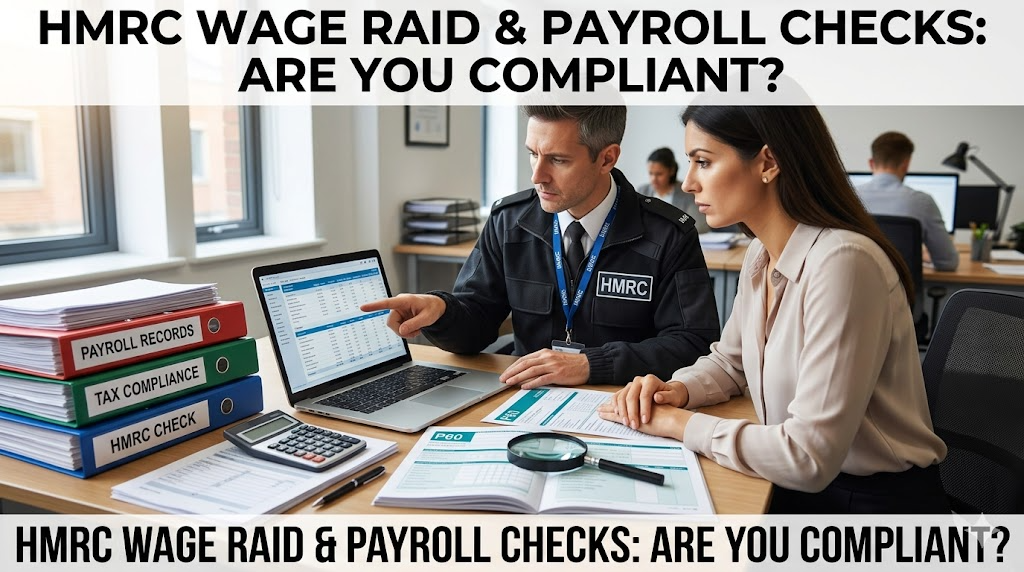
The term hmrc wage raid payroll checks is commonly used to describe compliance inspections where payroll records are reviewed in detail. These checks focus on whether employees are being paid correctly, whether tax and National Insurance deductions are accurate, and whether employers are following wage laws. The wording may sound severe, but the purpose is to enforce fair pay and proper record keeping.
In practice, these reviews can involve checking payslips, contracts, working hours, deductions, and reporting systems. Officers may ask questions about how payroll is processed and whether staff are receiving the correct legal minimum pay. Businesses that understand the purpose behind hmrc wage raid payroll checks are often better prepared and less likely to panic if a review takes place.
Why HMRC Is Increasing Payroll Checks
Payroll compliance has become more important because working patterns have changed rapidly. Flexible shifts, remote work, zero-hour contracts, apprenticeships, and part-time roles all create new areas where mistakes can happen. What once seemed straightforward may now involve several calculations and legal considerations. As complexity rises, so does the need for stronger enforcement.
Technology has also made checks easier to carry out. Digital payroll submissions give HMRC more data than ever before, allowing trends and irregularities to be spotted quickly. If figures appear unusual or records do not match expected patterns, a business may attract attention. This is one reason hmrc wage raid payroll checks are now discussed more widely among employers.
What HMRC Officers Usually Review
When a business is reviewed, officers often begin with core records such as payslips, payroll summaries, employment contracts, and timesheets. They may compare hours worked with hours paid and examine whether holiday pay or overtime has been calculated properly. Clear records create a strong first impression and help demonstrate that payroll is taken seriously.
They may also look closely at deductions. Charges for uniforms, tools, training, or workplace items can create problems if they reduce pay below legal minimum levels. In some cases, officers may speak with employees to understand how shifts actually work in practice. A business with organised systems and transparent processes will usually handle hmrc wage raid payroll checks far more smoothly.
Common Payroll Mistakes That Cause Trouble
One of the most frequent issues is unpaid working time. Small tasks such as opening a shop early, setting up equipment, cleaning after closing, or attending brief meetings may seem minor. Yet when these minutes are added together over weeks and months, they can create underpayment problems that employers did not expect.
Another common mistake is failing to update wage rates when thresholds change. Some businesses also use inaccurate age bands or depend on poor manual timesheets that miss real working hours. These errors are often accidental rather than deliberate, but they can still lead to penalties. Preventing these everyday mistakes is essential when avoiding hmrc wage raid payroll checks.
What Happens During a Visit
Some reviews are scheduled in advance, while others may happen with short notice. During the visit, officers may request records, ask how payroll is processed, and review evidence supporting wage calculations. They may want to understand who manages payroll, how hours are approved, and how corrections are handled if an error is found.
It is important to remain calm and cooperative. A visit does not automatically mean serious wrongdoing has been discovered. In many cases, it is simply a compliance review. Businesses that respond professionally, provide documents quickly, and answer questions clearly are in a stronger position than those with confusion or missing records.
Penalties and Business Risks
If underpayments are identified, employers may need to repay arrears to affected staff. Financial penalties can then be added, increasing the total cost significantly. What begins as a small oversight in payroll can grow into a large expense that affects cash flow and future planning for the business.
There is also a reputational cost that many employers overlook. Staff may lose confidence if payroll problems become public, while customers and suppliers may question management standards. Recruitment can become harder if a business gains a poor reputation. In many cases, the disruption caused by hmrc wage raid payroll checks can be as damaging as the fine itself.
How to Prepare Your Business
Preparation begins with regular internal reviews. Check wage rates, confirm employee ages are correctly recorded, and ensure every hour worked is paid properly. Review deductions carefully and keep contracts updated. A simple quarterly payroll review can uncover hidden issues long before they grow into expensive problems.
Training is equally valuable. Managers, supervisors, HR teams, and payroll staff should understand how daily decisions affect pay. If shift changes, unpaid tasks, or deductions are handled badly, risks increase quickly. When everyone knows the rules, payroll becomes stronger across the whole business rather than depending on one person alone.
Best Practices for Ongoing Compliance
Reliable payroll software can reduce errors and improve consistency. Automated systems help track rates, deductions, and reporting deadlines more accurately than manual spreadsheets. While no software replaces oversight, good tools can make payroll easier to manage and quicker to review when documents are requested.
Communication with employees is another powerful safeguard. Staff should understand how their pay is calculated and know who to contact if something appears wrong. Encouraging early questions can solve minor issues before they become formal complaints. Businesses that combine strong systems with open communication are far less vulnerable to hmrc wage raid payroll checks.
Conclusion
Payroll compliance is no longer a background task that can be ignored until year end. It is a core part of running a trusted, efficient, and sustainable business in the UK. Employers who fail to review their systems may face avoidable costs, unnecessary stress, and damage to their reputation.
The positive news is that preparation works. Accurate records, regular checks, updated knowledge, and better communication can transform payroll from a risk into a strength. Businesses that act early are more confident, more organised, and far better placed if hmrc wage raid payroll checks ever arise.
FAQs
What are hmrc wage raid payroll checks
They are payroll compliance reviews that examine wages, deductions, records, and reporting to ensure employers follow UK payroll and minimum pay rules properly.
They may involve checking documents, interviewing staff, and identifying any underpayments or payroll errors that need correction.
Can HMRC inspect a business without warning
Yes, some inspections may happen with short notice or unexpectedly depending on the reason for the review and the information available.
That is why businesses should keep payroll records accurate and accessible at all times rather than preparing only after receiving notice.
Do small businesses get checked
Yes, businesses of all sizes can be reviewed. Small companies are not automatically exempt from payroll compliance checks.
Even a small employer with only a few staff members should maintain proper records and correct wage payments throughout the year.
How can employers reduce risk
Regular payroll audits, updated software, clear contracts, and staff training are some of the best ways to reduce compliance risk.
Strong communication with employees also helps identify small problems early before they become serious issues requiring outside attention.
What is the biggest payroll mistake
Failing to pay for all hours worked is one of the most common and costly payroll mistakes made by employers.
This often includes unpaid setup time, extra closing duties, or missed overtime that gradually creates underpayment over time.
You May Also Read: Easy Elf on the Shelf Ideas for Busy Parents