
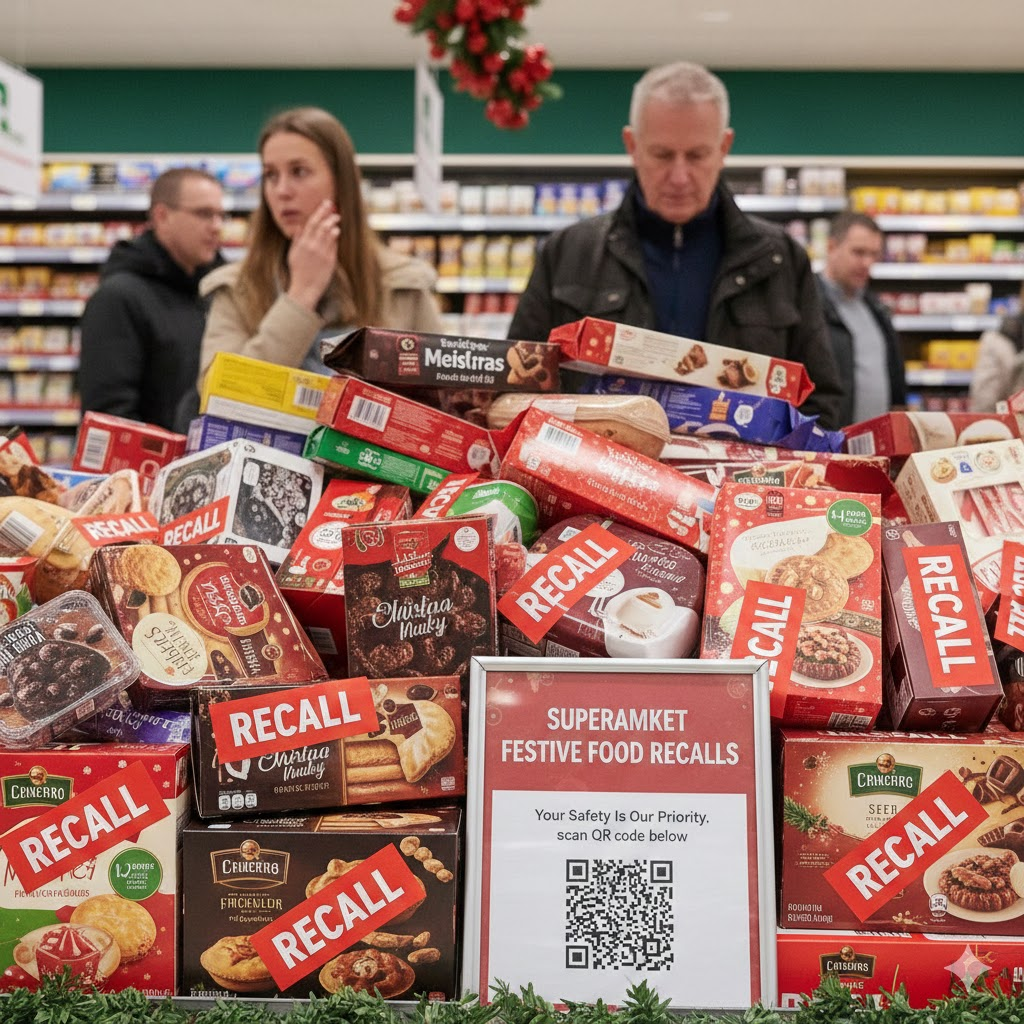
Introduction: Why Festive Food Recalls Are a Concern for England World Cup Fans
As excitement builds for the England World Cup matches, fans across the country are stocking up on snacks, treats, and festive favourites to enjoy during the games. However, the rise in supermarket festive food recalls has caused many households to rethink the items sitting in their cupboards and fridges. With retailers withdrawing multiple Christmas products due to safety concerns, supporters need to remain vigilant to avoid serving foods that may pose health risks during their celebrations.
The holiday season naturally leads to increased food production and purchasing, especially when combined with major events like the World Cup. This overlap creates the perfect storm for mistakes in packaging, manufacturing, and storage. For England fans hosting matchday gatherings, any error in checking supermarket festive food recalls could result in guests being unknowingly exposed to allergens, contamination, or harmful bacteria, emphasising the need for careful attention during festive football events.
What Are Festive Food Recalls and Why Do They Happen
Festive food recalls occur when supermarkets or manufacturers identify a risk associated with a product that could impact consumer safety. These risks often include undeclared allergens, incorrect ingredient information, microbiological hazards, or even the presence of foreign materials such as plastic or glass. During the busy Christmas period, when production lines are operating at full capacity, the chances of such issues increase, leading to more supermarket festive food recalls than at other times of the year.
The purpose of a recall is to protect shoppers by preventing potentially dangerous products from being consumed. Food Standards Agency alerts are usually issued as soon as a problem is detected, urging customers to return or avoid specific items. For England World Cup fans buying snacks and party food, understanding why these recalls happen can help them make safer choices and avoid unnecessary risks during their viewing parties.
Recent UK Supermarket Festive Food Recalls: What You Need to Know
Recent months have seen a surge in supermarket festive food recalls, affecting major UK retailers including Tesco, Asda, Aldi, Lidl, Morrisons, and Marks & Spencer. Many recalled items are Christmas-themed products such as chocolates, nuts, cheeses, cooked meats, and party selections—foods commonly served during football gatherings. These recalls have included products that may contain undeclared allergens like peanuts or mustard, which pose serious risks to individuals with allergies.
Tesco has been among the retailers issuing urgent safety notices, particularly relating to festive salads, beef slices, and seasonal treats with incorrect labels or allergen information. Meanwhile, Aldi and Lidl have recalled popular chocolate treats and cashew products due to potential contamination. England World Cup fans who purchased these items early for convenience may still have them stored at home, making it important to check updates regularly to avoid accidental consumption.
Why England World Cup Fans Are Particularly Affected

Football viewing habits often involve gathering friends and family together, which increases the variety of foods being bought, prepared, and shared. This makes supermarket festive food recalls especially relevant to England fans who rely on quick, ready-made snacks and festive treats to enjoy during matches. Serving a recalled product could lead to allergic reactions, digestive problems, or more severe health issues among guests, particularly when children or vulnerable individuals are present.
Another challenge is that England World Cup matches coincide with one of the busiest shopping periods of the year, encouraging consumers to bulk-buy festive foods well in advance. When items are purchased early and stored for weeks, fans may not realise that a recall has been issued after the purchase date. As a result, many households may unknowingly keep recalled products in their kitchens, increasing the importance of double-checking recall alerts before hosting matchday gatherings.
How to Check If Your Festive Food Has Been Recalled
Consumers can easily stay informed about supermarket festive food recalls by using the Food Standards Agency’s official website, which lists all active recall alerts, product details, batch codes, and photographs. England fans preparing for matchday celebrations should get into the habit of checking this resource regularly, especially when buying high-risk items such as meats, salads, cheeses, and confectionery.
In addition to the FSA, supermarkets also update recall notices on their own websites and in-store customer service sections. Customers should check packaging carefully at home by comparing use-by dates, barcodes, and batch numbers with recall notices. If a product is found to be affected, it should never be consumed. Most supermarkets offer full refunds without requiring a receipt, making it easy for shoppers to safely dispose of recalled items and replace them with safer alternatives.
How Supermarkets Are Responding to Festive Food Safety Issues
Supermarkets have been increasing their efforts to address the growing number of festive food recalls by improving supplier auditing, tightening quality checks, and using clearer communication methods. In response to supermarket festive food recalls, retailers have strengthened their visibility online and in-store to ensure that customers are aware of urgent issues. This includes email alerts, public notices, and dedicated recall pages on supermarket websites.
Retailers also work closely with the Food Standards Agency to investigate the causes of each recall and implement corrective actions to prevent future incidents. By improving the traceability of ingredients and enhancing testing procedures, supermarkets aim to restore consumer confidence. These actions provide reassurance to England World Cup fans that food safety is taken seriously, even during the busiest seasons of the year.
Tips for England Fans Hosting World Cup Viewing Parties
England fans hosting viewing parties can reduce their risk by staying up to date with supermarket festive food recalls and carefully checking all packaged foods before serving them. Choosing fresh ingredients, preparing homemade snacks, and avoiding high-risk pre-packaged festive treats can significantly improve safety. Fans should also consider reviewing allergen information for any guests who may have dietary restrictions.
For added precaution, hosts can keep packaging on hand during matchdays so guests can easily review ingredients if needed. Ensuring proper storage and handling of chilled foods also helps prevent contamination and maintains food quality. By taking simple but effective measures, supporters can create a fun and safe environment for everyone enjoying the England World Cup.
Consumer Rights: What You’re Entitled To During Food Recalls
Shoppers who discover they have purchased items included in supermarket festive food recalls are entitled to a full refund. UK consumer law ensures that retailers must remove unsafe items from sale and offer adequate compensation where necessary. Most supermarkets do not require a receipt for recalled items, making it easier for customers to receive refunds quickly and safely.
Customers may also be entitled to further support if they experience health issues resulting from consuming recalled products. Supermarkets and manufacturers must investigate such cases thoroughly. For England World Cup fans, understanding these rights ensures they can shop confidently and respond appropriately if they encounter unsafe festive foods.
Conclusion
The increase in supermarket festive food recalls highlights the importance of consumer awareness during the England World Cup season. Fans preparing for matchday gatherings should prioritise food safety by checking recall updates, examining packaging carefully, and choosing trusted products. By staying informed and cautious, supporters can enjoy festive celebrations and football excitement without compromising the wellbeing of their guests.